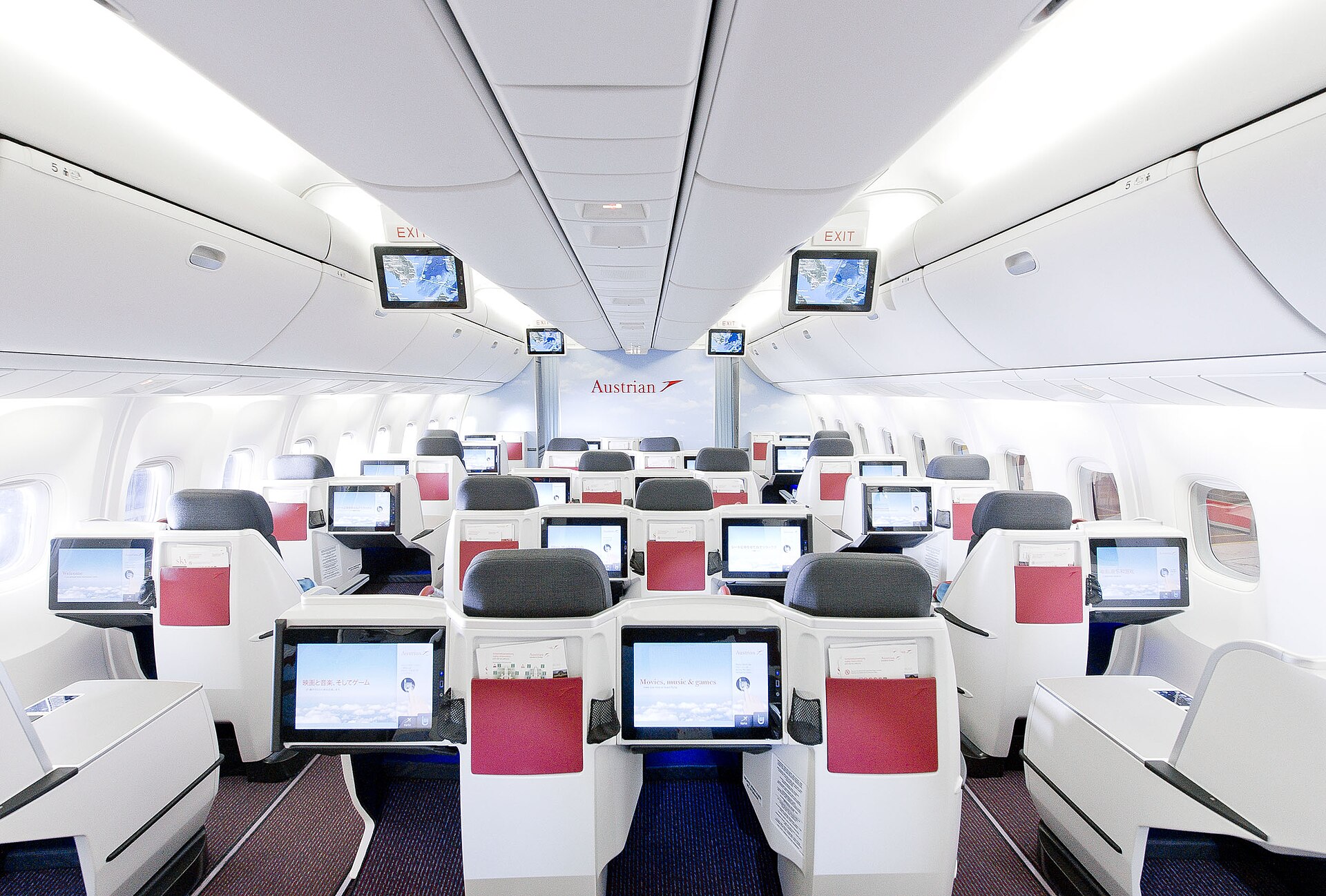
A long flight is the least enjoyable part of travel and most people do not prepare for it at all. Yet comfort on a ten-hour flight depends on a few small decisions, from where the seat is to when you sleep. If you are going from Baku to Asia or America, those small things save the first two days. Below I have written about the flight and jet lag separately.
Choosing a seat for a long flight
By the window is best for sleeping, because you have somewhere to rest your head and nobody wakes you to get past. The aisle is for people who get up often and lets you stretch your legs. The middle seat is deprived of both advantages.
In the emergency exit row there is plenty of leg room, but the seat does not recline and it is sometimes paid for. Stay away from the seats next to the toilet and the galley; there is movement and light there throughout the flight.
Protecting your body on a long flight
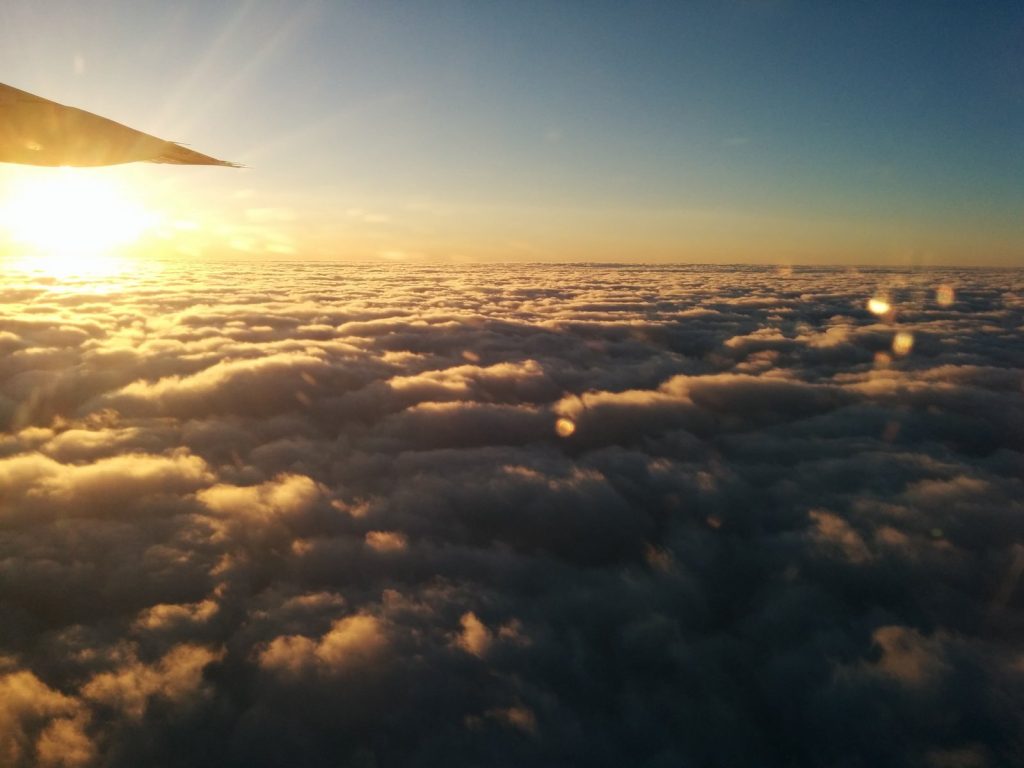
The air in the cabin is dry and that is the main cause of the tiredness. Drink water every hour; coffee and alcohol, by contrast, create thirst. Lip balm and eye drops are small but very useful things.
Get up and take a few steps every two hours. Sitting still for a long time creates a risk of clots in the leg veins and that is considered a serious matter in medicine. Compression socks are recommended for those in a risk group, so consult a doctor before the flight.
What jet lag is and how to reduce it
Jet lag is the internal clock being unable to adapt to a new time zone. The rule is this: for every hour of difference roughly one day of adaptation is needed. Flying east passes harder than flying west, because shortening a day is more difficult than lengthening one.
The method that works best is to switch your watch to the destination’s time as soon as you board and to fit your meals to that time. If it is daytime when you arrive, do not sleep however tired you are; go out into the sunlight. Going to bed early on the first night speeds the whole process up.
Read more: A Japan travel guide: Tokyo, Kyoto, Osaka, the sakura season, the Shinkansen and onsen etiquette
What to put in your bag for a long flight
The trio of a neck pillow, an eye mask and earplugs changes the quality of your sleep considerably. Take a thin jacket or a shawl, because it gets cold in the cabin. A toothbrush and moisturising cream help you feel human before landing.
A power bank must be in your hand luggage, as the sockets do not work on some aircraft. On long-haul routes transit options are considerably cheaper than a direct flight; when comparing long-haul flight options, take the total journey time into account as well. Health advice for flights is set out on the World Health Organization site.
In one sentence
A long flight is a matter of water, movement and sleep, while jet lag softens if you change your watch in time. Choose the seat in advance, get up every two hours, do not sleep in the daytime when you arrive. To build the route and the visa process together, fill in the application form.
Note: this is general information and not medical advice; consult a doctor on health matters.
