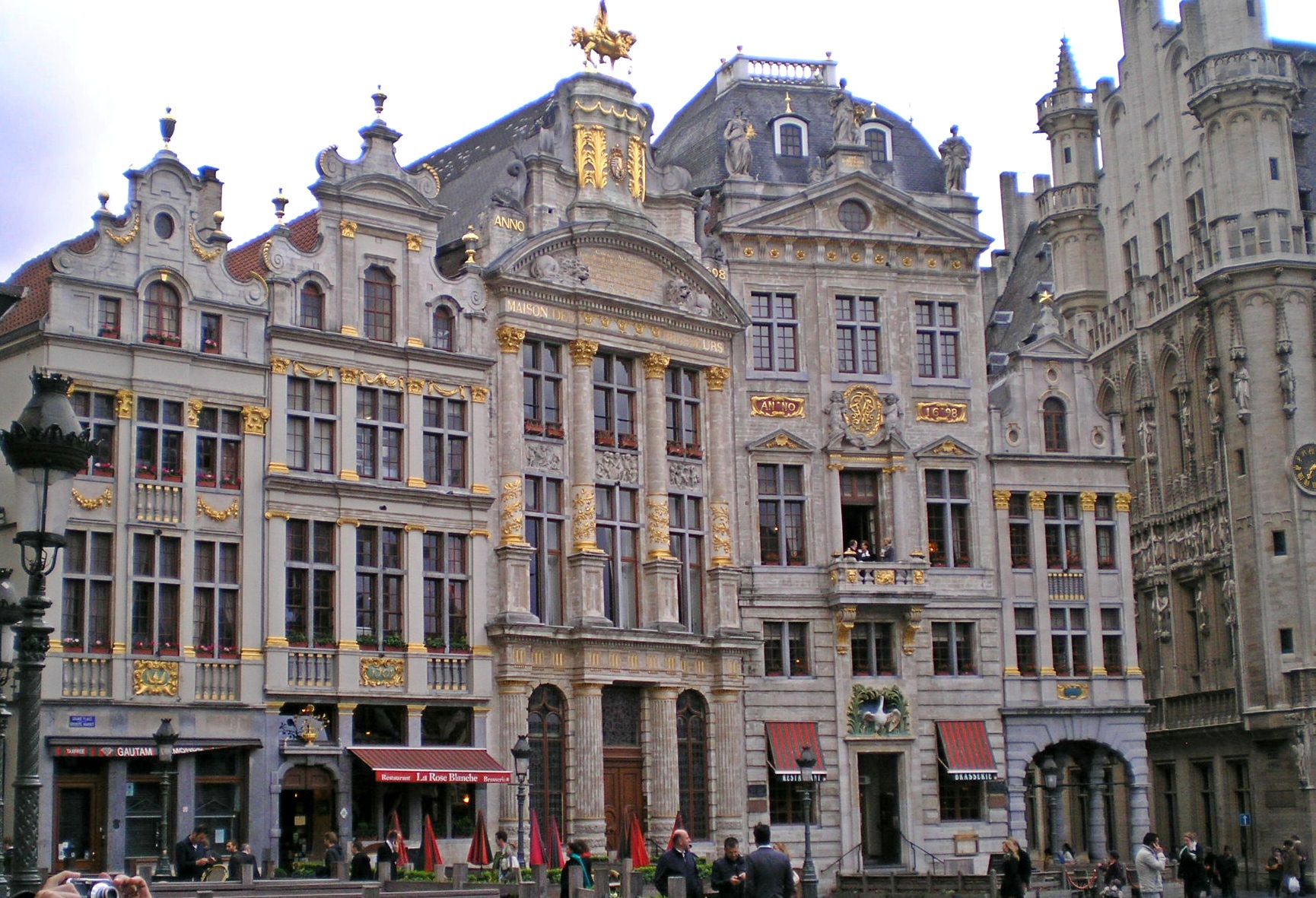
Brussels is considered the capital of the European Union and that gives the city an odd duality. On one side there are glass administrative buildings, on the other one of the most beautiful squares in Europe. Tourists often stay a day here and run off to Bruges, and that is a mistake. If you give it two days the city shows itself. There is no direct flight from Baku, and for transit options a bilet.az search is the fastest way.
The Grand Place and the centre
The Grand Place is surrounded by guild houses with gilded decoration and is on the UNESCO list. It looks at its most beautiful early in the morning or at night when the lights come on. Every two years in August the square is covered with a carpet made of live flowers, and the date is worth checking.
The Manneken Pis statue is nearby and is much smaller than you expect, so be ready for that. In exchange the Royal Galleries arcade is beautiful and has old chocolate houses inside it. The Sablon district is known for its antique shops.
The Atomium, the museums and the comic walls
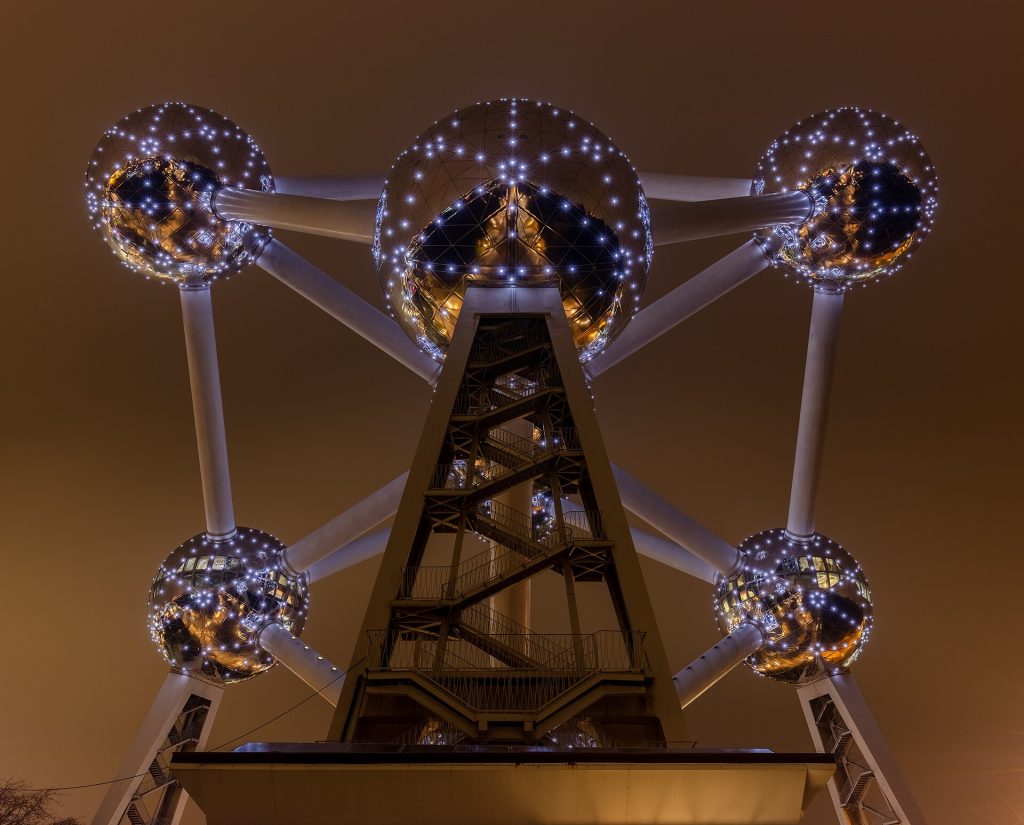
The Atomium was built for the 1958 world exhibition and is a model of an iron crystal magnified a billion times. A lift goes up inside the spheres and the city is visible from the top. The Mini-Europe park beside it gathers small models of Europe’s monuments.
Brussels is the centre of comic art; Tintin and the Smurfs were created here. More than fifty buildings in the city have a comic painted on their wall, and there is a free route map that follows them. The comic museum is in an old art nouveau building. Taking museum tickets in advance skips the weekend queue.
From Brussels to Bruges and Ghent
Bruges is an hour by train and, with its canals, has stayed like a medieval city; it is the most visited place in the country. Ghent is half an hour and is just as beautiful, but has fewer tourists, so some people like it more. Antwerp is forty minutes and is the centre of fashion and the diamond trade.
Belgium is a small country, the train network is dense and tickets are cheap. There are discounted weekend ticket options. Compare the routes in one search; fitting three cities into one day is possible, but I do not recommend it.
Read more: A Belgium travel guide: Brussels, Bruges, Ghent, chocolate, waffles and three cities by train
Food and prices in Brussels
There are two kinds of waffle: the Brussels waffle is light and rectangular, while the Liège waffle is heavy and sweet. The potatoes called frites were invented here and are sold with sauce at separate kiosks. There are many chocolate shops, and away from the tourist streets the price is considerably lower.
A three-star hotel is 90–140 euros and lunch in a restaurant 15–25. Choosing a hotel close to the station makes the day trips easier. A day metro ticket is 8 euros. Official information is on the Visit Brussels site.
Season in Brussels
May–September is the best period, with the weather at 18–24 degrees. Rain is possible all year round and comes suddenly, so a jacket is always needed. In December the Christmas market and a light show are held. Winter is not cold, but it is grey and damp.
A last word
Brussels is a capital that gets passed over quickly but deserves two days, and it is the most comfortable base for the rest of Belgium. Look at the Grand Place at night, follow the comic walls, and put Bruges and Ghent on separate days. If you want to travel it with Bruges and Ghent on a ready-made programme, look at tours covering Belgium. For a visa and a route, fill in the application form.
Note: the prices in this article are those at the time of publication and may change with the season.
