Finland comes first, year after year, in the ranking of the world’s happiest countries. You really do feel it on the quiet streets of Helsinki, in a sauna by a lake and in the snowy forest of Lapland.
For us Finland is two completely different trips. In summer Helsinki and the lakes, and in winter Rovaniemi, the Santa Claus village and the northern lights. The second is one of the most asked-about programmes from Baku over the New Year holidays. The country is expensive, but with the right season and plan it is manageable. Below I have gathered Helsinki and Lapland, along with the transport, the sauna rules, the food, the season and the budget, in one place.
Finland in brief
| Capital | Helsinki |
| Language | Finnish and Swedish; everyone’s English is excellent |
| Currency | The euro; cash is hardly needed |
| Visa | Schengen type «C», through the Lithuanian embassy in Baku |
| Best time | June–August for summer; December–March for Lapland and the northern lights |
| Flight | 7–9 hours via Istanbul, Riga or Warsaw |
| Daily budget | 150–200 euros at a mid-range level; more in Lapland |
Helsinki: the start of a Finland trip
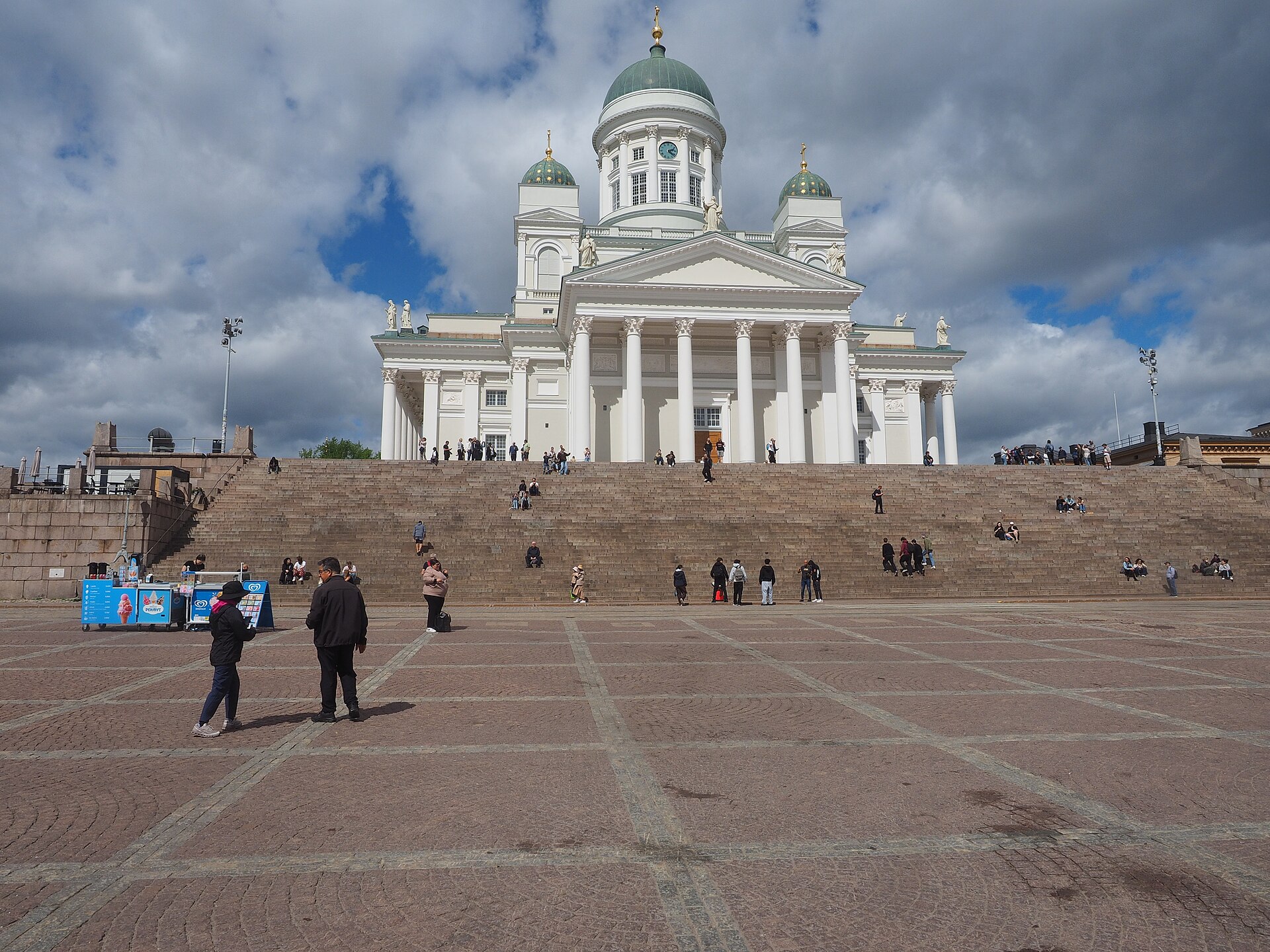
Helsinki is a two-to-three-day city. Senate Square and the white cathedral are the centre. The Market Square and the harbour are beside them. Temppeliaukio church is carved straight into the rock. People go to the Oodi library not for the books but for the building itself. The Design Museum and the cafés of the Kallio district are on the list too. Suomenlinna sea fortress is on the UNESCO list, reached by a fifteen-minute ferry from the harbour, and in summer the whole city goes there for a picnic. The Löyly public sauna, with its modern architecture by the sea, has become a symbol of the city: you come out of the sauna and straight into the Baltic.
There are day trips from the city too. Porvoo is an old wooden town. Turku is the former capital and is known for its castle. Tampere is an industrial city and the Moomin museum is there. The Saimaa lakes region is for summer. At Savonlinna castle an opera festival is held in July. You take a cottage by the lake and go out by boat. That is exactly how the Finns spend their summer, and it is worth trying.
Lapland in Finland: Santa Claus, the northern lights and skiing
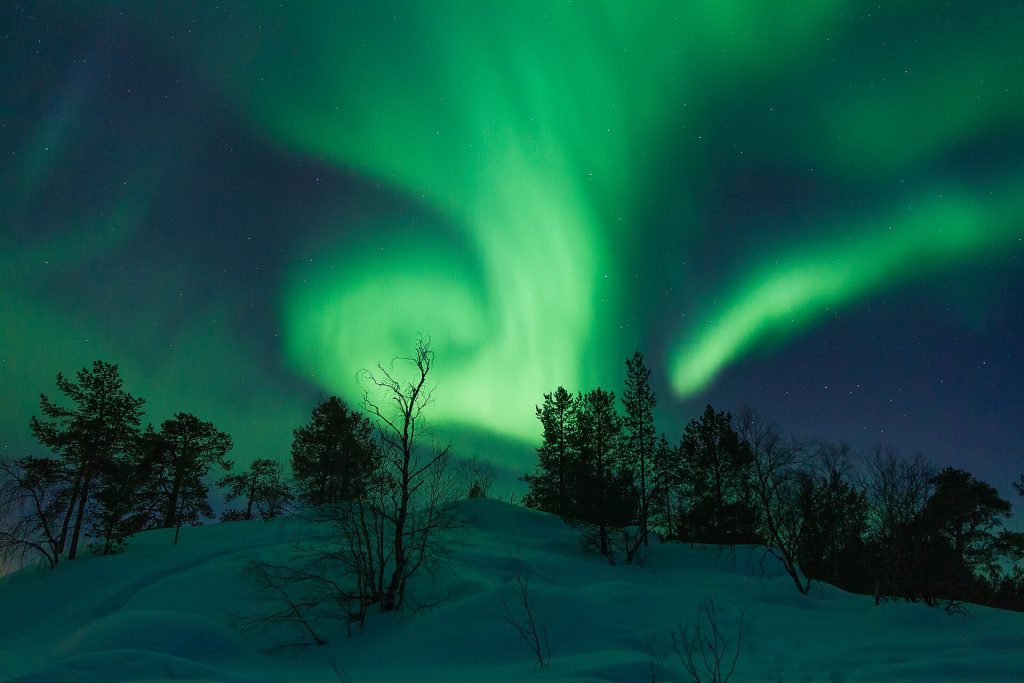
Rovaniemi is the capital of Lapland, and the Santa Claus village is eight kilometres from the city, right on the Arctic Circle. Meeting Santa is free while the photograph is paid for and expensive, so explain that to your child in advance. The certificate for crossing the Arctic Circle is issued there. The reindeer and husky sleds and the ice hotel are right there as well. The northern lights are visible from September to March or April. The best chance is in the December–March months. Look for them away from the city lights and on a night with a clear sky. As Saariselkä, Levi and Inari are further north, the odds there are higher.
Levi and Ylläs are Finland’s main ski resorts; the slopes are simpler than the Alps but comfortable for families. Watching the northern lights from bed in a glass igloo hotel is 400–700 euros a night and even so they fill up months ahead. Do not forget one thing: in December, Lapland only has two or three hours of daylight, and January and February are colder, minus 20–30, but the days get longer and the chance of seeing the lights rises.
Transport: VR trains and the Helsinki ferries
The state railway VR covers the whole country. Helsinki to Tampere takes an hour and a half and to Turku two hours.
The “Santa Claus Express” night train to Rovaniemi takes twelve hours and costs 100–200 euros with a compartment; booked early the price halves, and for children the journey itself turns into an adventure. By air Rovaniemi is an hour and a half, flown by Finnair and Norwegian, with a ticket at 60–150 euros.
In Helsinki the HSL app covers the tram, the metro and the Suomenlinna ferry, a day ticket is 10 euros, and the train from the airport to the centre takes thirty minutes. The ferry to Tallinn is two hours and the night ferry to Stockholm sixteen.
A car is needed for Lapland and the lakes at 50–80 euros a day, and in winter studded tyres are standard.
The sauna and Finnish food
Finland has three million saunas for five and a half million people, and the sauna here is not relaxation but a social ritual. In hotel and public saunas men and women go in by turns or in swimwear, and the family sauna is separate. Afterwards people go into the water and out again, and in winter they throw themselves straight into a hole in the ice. The first time you need courage. The second time you want it yourself.
The food is simple and clean. Lohikeitto is a creamy salmon soup, karjalanpiirakka a rye pastry with rice, and in Lapland poronkäristys, that is reindeer meat, is served. Rye bread is on every table.
The cinnamon bun “korvapuusti” is eaten with coffee, and the Finns drink more coffee than anyone in the world.
At the tents on the Market Square and at the Hakaniemi market lunch is 12–18 euros, while dinner at a restaurant is 30–50. For saving there is the supermarket and the midday “lounas” menu, which is 12–15 euros. Halal food is available in Helsinki at the Middle Eastern restaurants. The tap water is the cleanest in the world, and there is no need to buy bottled.
Read next: A Finland visa: the Lithuanian embassy, the Lapland season and the timing trap
Season: white nights and the polar night
From June to August the weather in Helsinki and at the lakes is 18–25 degrees, and in Lapland the sun does not set. At the end of June the Juhannus midsummer holiday takes the whole country to the lakeside.
September means the “ruska” autumn colours and the first nights of the northern lights.
December is the Christmas season in Lapland and the most expensive period, with places filling up months ahead. From January to March it is quieter and colder and better for the northern lights. April–May and October–November are grey, rainy and cheap months. The northern lights forecast and Lapland events are on the Visit Finland portal.
Budget and tickets
In Helsinki a three-star hotel is 110–160 euros. In Rovaniemi a hotel climbs to 200–350 euros in December and falls to 120–200 in January and February. A hostel bed is 40–60 euros and can be found in the centre of Helsinki.
The activities cost this much. A husky safari is 100–180 euros and a northern lights tour 80–150, while the Suomenlinna ferry is included in the HSL ticket anyway. In December in Rovaniemi the reindeer and husky programmes fill up a month ahead, and looking for a place on the day does not work.
Leaving out the flight, a week’s summer trip fits into 1200–1600 euros and a Lapland winter trip into 1800–2500. Turkish Airlines and airBaltic fly to Helsinki, and alongside an air ticket to Helsinki, flying to Tallinn and crossing by ferry is a cheap alternative. Lapland tour packages giving you the Santa Claus village, huskies and the northern lights in one programme are the most asked-about option for families over the New Year holidays.
Frequently asked questions about Finland
How many days do you need for Finland?
Three days for Helsinki. Four or five for Lapland, and for the northern lights at least three nights, because the weather changes and one night may be cloudy.
Is Lapland in winter hard with a child?
Not with the right clothing. The tour companies provide thermal overalls and boots, the programmes are built in two-to-three-hour blocks, and the hotels are warm inside.
Can it be combined with Estonia?
Yes, Tallinn is two hours by ferry and is covered by the same Schengen visa. Tallinn is twice as cheap as Helsinki, and many people plan their nights there.
In closing
Finland gives you lakes and saunas in summer and Santa Claus and the northern lights in winter. It is an expensive country, but an unforgettable one. The choice of season and booking early are what let you manage the budget. The visa process is explained on the Finland page, and to build a Lapland or Helsinki plan together fill in the application form.
Note: the prices here are as of the publication date and can change with the season.
