Israel is a small country, but it fits a great deal into a week. Three-thousand-year-old Jerusalem and Tel Aviv on the Mediterranean shore are on the same route, and so are the Dead Sea, the lowest point on earth, and the corals of the Red Sea. The direct flight from Baku takes three and a half hours, and the visa is obtained from the embassy in Baku.
The trip has rules of its own. On Shabbat transport stops, the check at Ben Gurion airport can take hours, and the regional situation must be checked before you travel. Below I have gathered the cities, transport and the Dead Sea resorts, along with the food, the season, safety and the budget.
Israel in brief
| Main cities | Jerusalem, Tel Aviv, Haifa |
| Language | Hebrew and Arabic; English everywhere, Russian very widely |
| Currency | Shekel (ILS), 1 dollar ≈ 3.7 shekels; cards everywhere |
| Visa | B/2 tourist visa, from the embassy in Baku |
| Best time | March–May and October–November; the Dead Sea and Eilat in winter |
| Flights | Baku–Tel Aviv direct, AZAL, 3.5 hours |
| Daily budget | 150–200 dollars at a mid-range level |
Jerusalem: the old city’s four quarters
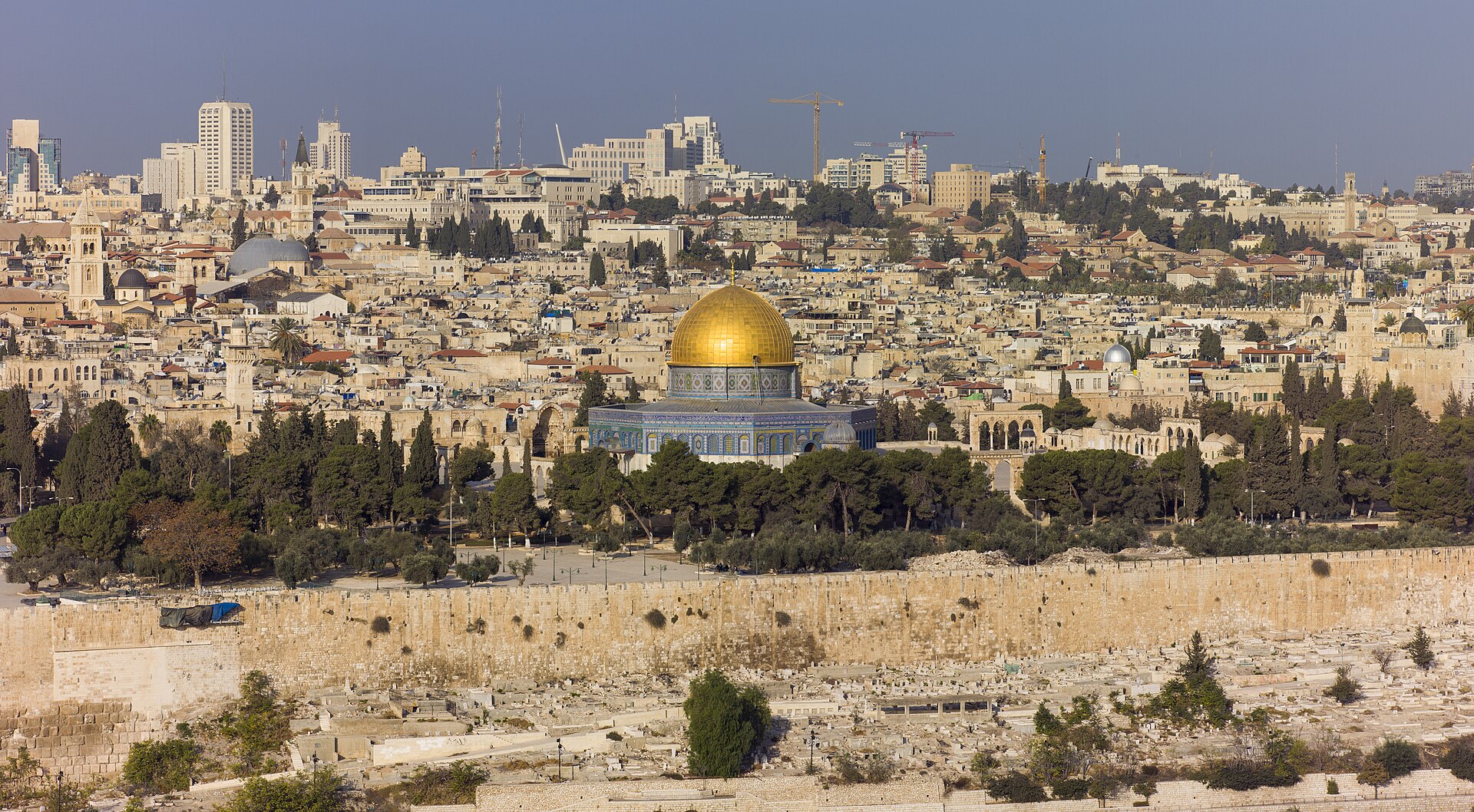
Jerusalem’s walled old city is just one square kilometre and is divided into four quarters: Muslim, Christian, Armenian and Jewish. Al-Aqsa Mosque and the Dome of the Rock are on the Haram al-Sharif; non-Muslims may enter only at limited hours and only the courtyard. The Western Wall, the Church of the Holy Sepulchre and the Via Dolorosa are ten minutes’ walk from one another — in a single hour you pass through the holiest places of three religions, and that feeling exists nowhere else.
The Mount of Olives opens onto a panorama of the old city. At the Tower of David there is a light show at night. Have lunch at the Mahane Yehuda market. The Yad Vashem Holocaust museum wants a day of its own. From Friday noon to Saturday evening the Jewish quarters are closed, while the Muslim and Christian parts of the old city carry on. Bethlehem is ten kilometres away in the Palestinian Authority, reached through a checkpoint on an Israeli visa.
Tel Aviv, the Dead Sea, Haifa, Eilat
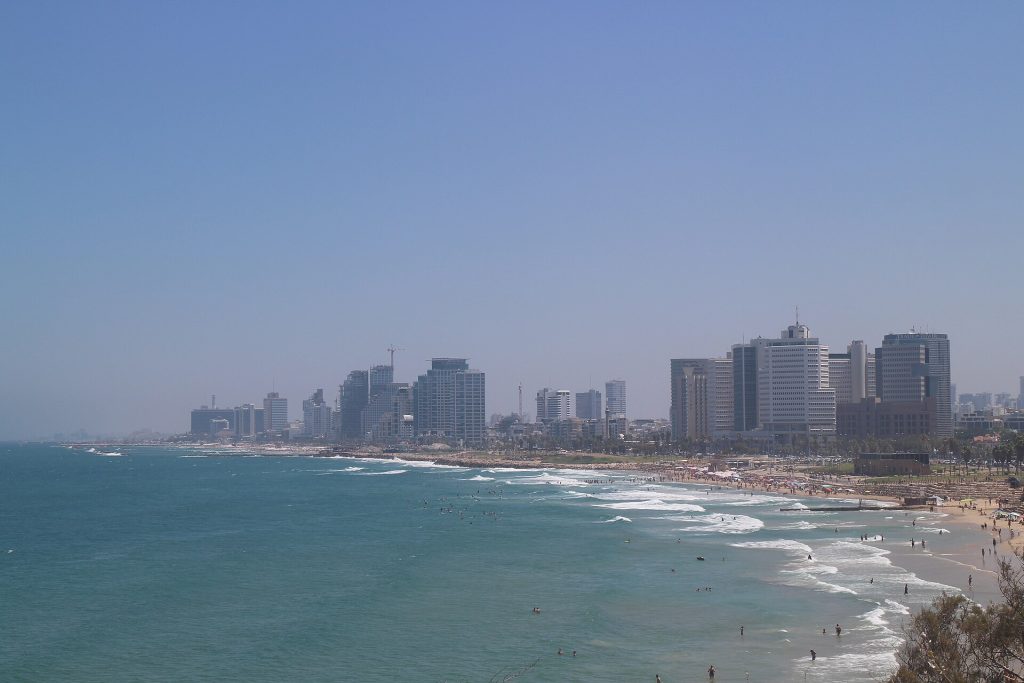
Tel Aviv is the exact opposite of Jerusalem. Fourteen kilometres of beach run the length of the city. The Bauhaus «White City» architecture is on the UNESCO list. Rothschild Boulevard and the Carmel market are the places to walk. One of the world’s best nightlife scenes is here, and the cafés are open day and night. Arriving from Jerusalem, you think you have landed in another country. Jaffa to the south is the old port, the flea market and the Arab quarter.
The Dead Sea is an hour from Jerusalem. The Ein Bokek resort area has hotels and free public beaches. The mud and mineral water are known for clinic courses for psoriasis, arthritis and skin conditions, and the oxygen-rich air is considered good for asthma. Those travelling from Baku for treatment mostly end up there.
Nearby is the fortress of Masada, which people ride up to by cable car at sunrise, and beside it lies the Ein Gedi oasis.
In the north a separate route opens up. Haifa is known for the terraces of the Baha’i gardens and Mount Carmel, Akko for its crusader town and market, and with Nazareth and the Sea of Galilee this region takes two days. Eilat, on the Red Sea, is a winter beach and diving centre, an hour’s flight from Tel Aviv.
Transport in Israel and the Shabbat rule
The Rav-Kav card works on buses and trains across the country, is sold at the airport and from machines, and can also be paid through the app. The fast train from Ben Gurion airport is 25 minutes to Jerusalem and 15 to Tel Aviv. Egged and the other bus companies reach every town; the bus from Jerusalem to the Dead Sea takes an hour and a half.
Think about Shabbat in advance. From sunset on Friday to Saturday evening trains, buses and most shops stop; only «sherut» shared minibuses and taxis run, and in Haifa the buses run partly. Plan the trip so that Friday evening and Saturday find you inside a city, or you will be left on the street with a suitcase. The Gett taxi app is the main one; Uber does not work. A car pays off for Galilee and the Negev at 40–60 dollars a day, while in Jerusalem’s old city a car is pointless.
The kitchen: hummus, shakshuka and halal
Hummus here is a meal, a snack and a national argument all at once; everyone has their own «best hummus» place. The hummus shops of Jaffa and Akko open in the morning and close at midday when they run out.
Falafel and sabich are served in pita, are the street lunch and cost 5–8 dollars. Shakshuka is eggs in tomato and comes at breakfast, Israeli salad is on every table, and the Jerusalem mixed grill is market food.
Jewish restaurants are kosher, keeping meat and dairy apart. Halal food is everywhere in the Arab quarters of Jaffa, East Jerusalem, Akko, Nazareth and Haifa, and it is often both the cheapest and the tastiest choice.
Lunch in a restaurant is 15–20 dollars and dinner 35–50; on price Tel Aviv is on a level with Europe’s expensive capitals. A tip of 12–15 per cent is expected. The tap water is drinkable.
Read next: Israel visa: the embassy in Baku, the B/2 visa and the trace left in your passport
Safety and the Ben Gurion check
Two realities live side by side on a trip to Israel. In daily life street crime is low and the cities are calm, but the regional situation changes quickly. Every hotel explains the rule for moving to a shelter when the sirens sound; the areas bordering Gaza and Lebanon are not visited. Before travelling, check the Azerbaijani Foreign Ministry’s advice and flight cancellations, and read the war exclusion in your insurance. At Ben Gurion airport there is an interview on arrival and a serious security check on departure — arrive three hours before your flight to leave. No stamp goes in the passport on entry; you are given a paper entry card, so do not lose it, as they ask for it on the way out. Regional and event information is on the Go Israel portal.
When to go to Israel, and what it costs
March–May and October–November are the ideal months, with 20–28 degrees.
From June to September Tel Aviv climbs to thirty-two degrees with rising humidity, and the Dead Sea passes forty. Winter in Jerusalem is cold and wet, sometimes with snow, while Eilat and the Dead Sea turn into a winter resort at 20–25 degrees.
At Passover, Rosh Hashanah and Sukkot the hotels fill and transport runs on the Shabbat timetable.
A three-star hotel is 150–220 dollars in Tel Aviv and 120–180 in Jerusalem, while a Dead Sea resort rises to 200–350. A hostel bed is 40–60 dollars, with options close to the beach in Tel Aviv.
Entry tickets are cheap. Masada is 10 dollars and the Tower of David 15, while Yad Vashem is free. Excluding the flight, a week-long trip fits into 1400–2000 dollars per person.
AZAL flies direct from Baku to Tel Aviv, and tickets to Tel Aviv get more expensive at the Jewish holidays and Passover week. Israel pilgrimage tour packages fitting Jerusalem, the Dead Sea and Tel Aviv into a week settle the Shabbat timetable and the opening hours of the holy places in advance.
Frequently asked questions about Israel
How many days does a trip to Israel need?
Jerusalem three days, Tel Aviv two, the Dead Sea and Masada one or two — a week in all. Ten to twelve days with Haifa, Galilee and Eilat.
Does Israel leave a trace in the passport?
No stamp is given; you get an entry card. But the Israeli visa itself is in the passport, and some countries may refuse entry because of it — the list is in our visa article.
What is the dress code at the holy places?
Shoulders and knees covered. At the Western Wall a kippah is handed to men at the entrance, and on the Haram al-Sharif women need a headscarf. In Tel Aviv there are no rules at all.
In closing
Israel is a country that gives you the holy city of three religions, the Mediterranean and the Dead Sea in a week, on a direct flight; for anyone who allows for the Shabbat timetable, the airport timings and the regional situation, the trip is comfortable. The visa process is explained on the Israel page, and to plan a pilgrimage or a Dead Sea treatment together, fill in the application form.
Note: the prices here are as of the publication date; the regional situation and flights should be checked before travelling.
