Lebanon is a small country on the Mediterranean coast, but one of the rare places where you can swim in the sea and ski in the mountains on the same day. Beirut’s cafés and Byblos, one of the oldest cities in the world, are on one route. The huge Roman temples of Baalbek and the Cedar forest are there too. On top of that the most delicious mezze table in the world awaits you. For us the visa is given free at the border. But a Lebanon trip is planned around two realities: the banking system has collapsed and everything is paid for in cash dollars, and the regional situation must be checked before the trip. In this article I have gathered the cities, the route and the money rule. Safety, transport, food, the season and the budget are in it too.
Lebanon in brief
| Capital | Beirut |
| Language | Arabic; French and English work everywhere |
| Currency | Lebanese pound (LBP), but in practice cash US dollars; cards all but do not work |
| Visa | Free at the border, 1 month; no Israeli trace in the passport |
| Best time | April–June and September–November; skiing December–March |
| Flights | 5–7 hours via Istanbul or Doha |
| Daily budget | 80–120 dollars at a mid-range level |
Safety and cash dollars: before you go to Lebanon
The regional situation changes fast in Lebanon and there is no point softening that. Before the trip look at the recommendations of the Ministry of Foreign Affairs of Azerbaijan, at flight cancellations and at the war exclusion in your insurance. The southern border region, parts of the Bekaa valley and the southern outskirts of Beirut are not for tourists, while central Beirut, the coastal towns and the mountain regions usually live their daily life and the cafés are full.
The money question is separate. After the banking crisis the country runs on cash dollars: hotels, restaurants and taxis are all paid in dollars and the change comes back in pounds. Foreign cards work in some hotels, the cash machines are unreliable, so take your whole budget in cash in small notes and keep it in several places. Power cuts are a daily thing and the hotels run on a generator. And know this too: if there is an Israeli stamp or visa in your passport, they will not let you in.
Beirut, Byblos, Jeita, Harissa
Beirut is two days. The Corniche is the seafront walk, and at the end of it stand the Raouché Pigeon Rocks. The Gemmayzeh and Mar Mikhael quarters are known for their cafés and bars. The National Museum holds Phoenician sarcophagi. The Mohammad Al-Amin mosque and the cathedral right beside it are the city’s symbol. The restored centre, Hamra street and the Sursock museum are on the list too. The city is full of contradictions: the traces of the war and luxury are on the same street, and that is exactly what makes Beirut Beirut.
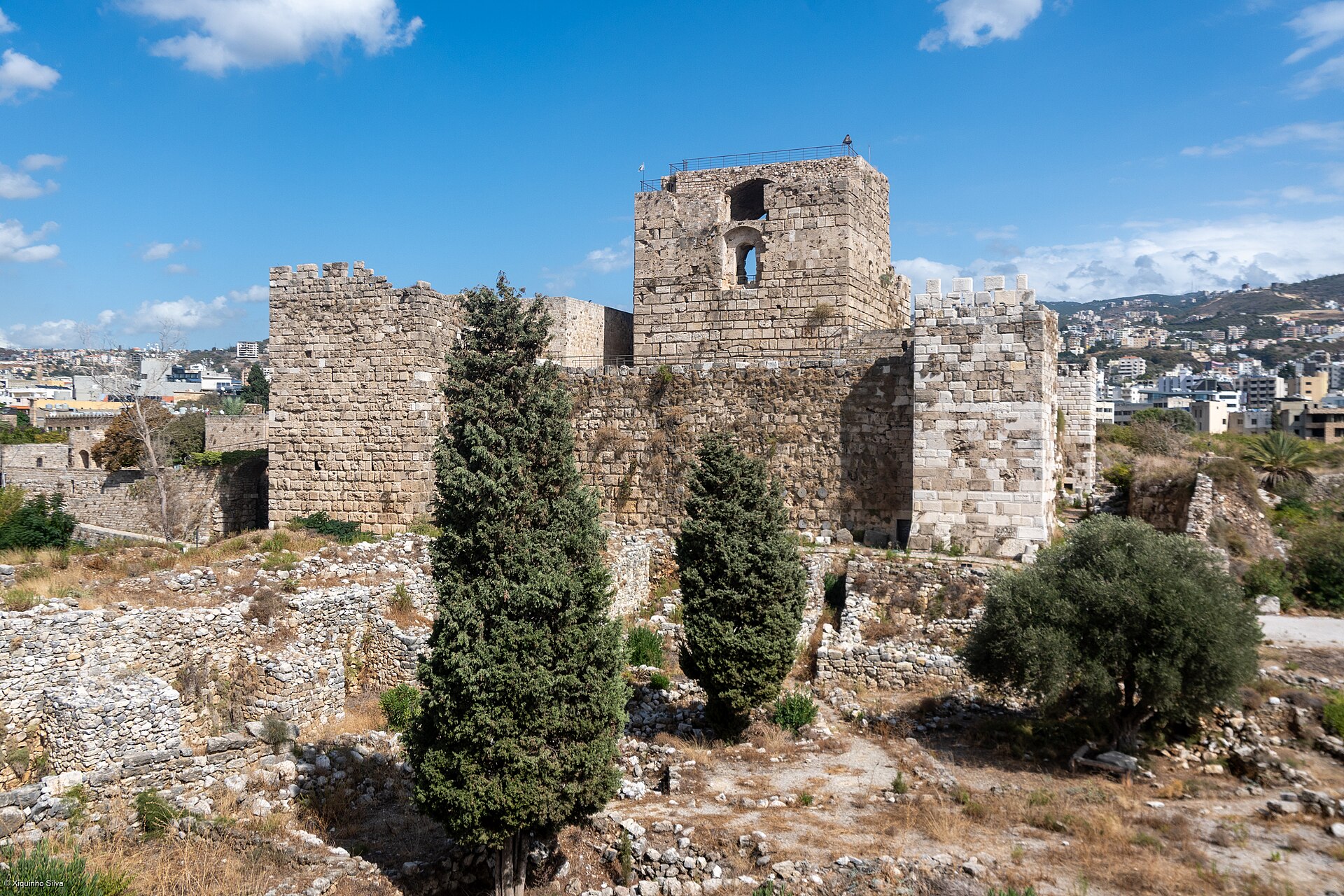
Byblos, in Arabic Jbeil, is forty minutes from Beirut and is one of the places in the world that has been lived in continuously for seven thousand years. The town, on the UNESCO list, has a crusader castle, Phoenician remains, a fishing harbour and an old souq. Have dinner in the restaurants at the harbour.
Jeita is a two-level stalactite grotto and counts as one of the most beautiful in the world; you go around the lower level by boat and photography inside is not allowed. To the Our Lady of Lebanon statue at Harissa you go up by cable car from the town of Jounieh, and from the top the whole coastal panorama opens.
These four places are seen in two or three days from a Beirut base. Batroun is a small coastal town that, with its lemonade and its nightlife, has become the favourite stop of the summer.
Baalbek, the Cedars, Tripoli, Sidon: Lebanon outside Beirut
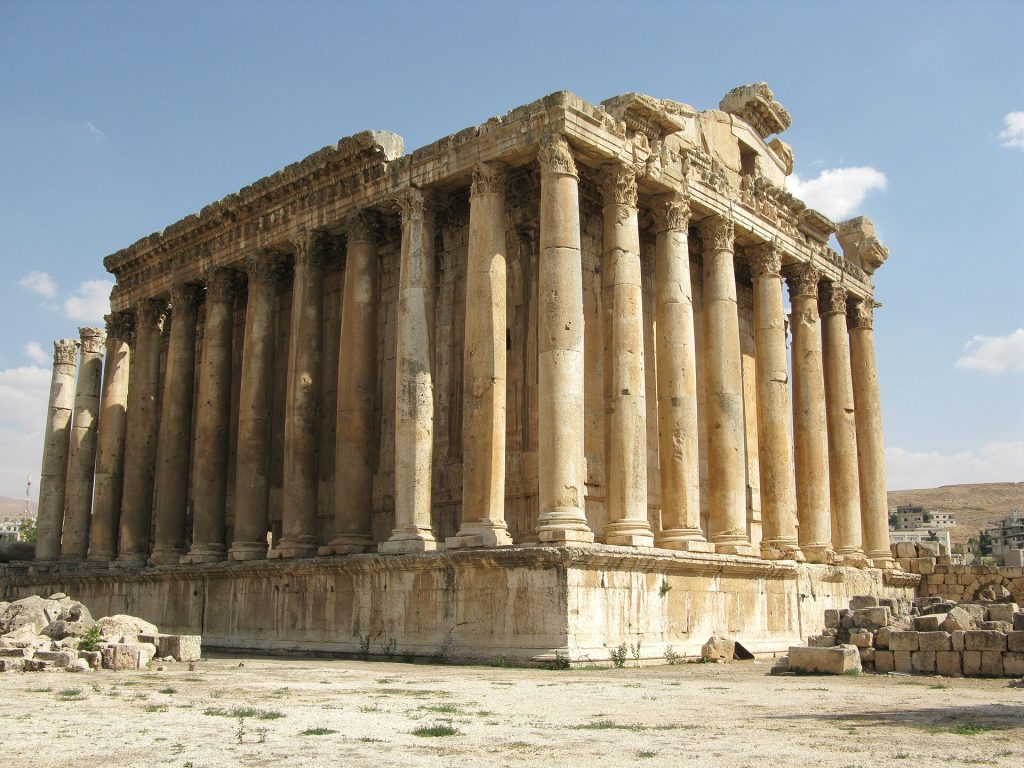
Baalbek in the Bekaa valley is the largest temple complex of the Roman empire. The twenty-metre columns of the temple of Jupiter and the intact temple of Bacchus are more magnificent than Rome itself. It is two hours from Beirut, but is checked in advance depending on the situation. Along the way are the Umayyad city of Anjar and the Ksara wine cellars. Above the village of Bsharri lie the Cedars of God. This is the thousand-year-old forest of the trees on the Lebanese flag. Beside it are the monasteries of the Qadisha valley and the Khalil Gibran museum. In winter the Cedars turn into a ski slope. It is two and a half hours from Beirut.
Tripoli in the north is the most original city, with its Mamluk-era markets, soap khans and sweet shops, and the journey from Beirut takes an hour and a half. In the south Sidon is known for its sea castle and soap museum and Tyre for its Roman hippodrome and beaches; both are ancient Phoenician cities and are visited depending on the situation. Faraya-Mzaar is a ski resort an hour from Beirut, and it is the place for the slogan «ski in the morning, sea in the afternoon».
Transport in Lebanon: service taxis, Bolt, a driver
Lebanon has no railway and the public buses are limited. In Beirut you stop the shared taxis called «service» by raising your hand, and a ride is 1–2 dollars. Uber and Bolt work too, payment is in cash, a ride across town is 3–6 dollars and from the airport to the centre 20–30. If you are arriving on a night flight, order the transfer from the hotel.
The intercity minibuses set off from the Dora and Cola stops and take you to Byblos, Tripoli and Sidon for 2–4 dollars, but they get crowded and do not run to a timetable.
For Baalbek, the Cedars and Jeita the most comfortable way is a car with a driver, which costs 80–120 dollars a day, while group tours are 40–60. A local driver knows the state of the roads and the checkpoints, and in this country that is a serious advantage. Car hire is possible and comes to 30–50 dollars, but the Lebanese driving style and the fuel queues are a torment for an inexperienced driver.
Mezze, manakish, knafeh: Lebanese food
Lebanese cooking is the most famous in the Middle East, and that is not said for nothing. Mezze is a table of twenty or thirty small dishes: first come hummus, mutabbal, tabbouleh, fattoush, kibbeh and sambousek, then the mixed grill, and all of it is eaten with Arabic bread. It is 20–30 dollars a head and you cannot see the table for the plates.
Breakfast is manakish, baked with thyme or cheese, and costs 2–3 dollars. Shawarma and falafel are 3–5 dollars, and knafeh and baklava are bought from the Hallab pastry shop in Tripoli. In Beirut dinner in the restaurants of the Gemmayzeh district comes to 25–40 dollars, while village-kitchen restaurants like Tawlet give you the best experience, and at Byblos harbour you should eat fish.
Halal food is available in most restaurants. In the Christian areas pork and alcohol are offered too, so asking is in order. Do not drink the tap water. Cardamom coffee, mint tea and freshly squeezed fruit juices, though, are found everywhere.
Read next: A Lebanon visa is given free at the border: the conditions, the Israeli trace and safety
When should you go to Lebanon and what does it cost?
April-June and September-November are the ideal months; on the coast the weather is 22–28 degrees and in the mountains it stays cool. In July and August the temperature in Beirut climbs to thirty-three degrees and the humidity rises, the diaspora comes on holiday, and the hotels and beach clubs get dearer.
From December to March the coast is rainy and the mountains snowy. People ski at Faraya and the Cedars, and a day pass is 30–50 dollars.
In Beirut a three-star hotel is 60–100 dollars and a four-star 120–200. A guest house in Byblos is 50–80 dollars and village hotels come to 40–70. Because the payment question is complicated, make the booking in advance and keep the confirmation to hand.
The sights are cheap. The Jeita grotto is 20 dollars, Baalbek 10, Byblos castle 8 and the Cedars 5. Excluding the flight, a week-long trip fits into 700–1,000 dollars per person.
Turkish Airlines and Pegasus fly to Beirut via Istanbul and Qatar Airways via Doha. An air ticket to Beirut gets dearer in summer and over the Christmas holiday, and a refundable ticket is the careful choice here. Lebanon tour packages fitting Beirut, Byblos, Jeita and the Cedar forest into one week settle the driver, the guide and a safe route plan together. Regional information is on the Lebanese Ministry of Tourism portal.
Frequently asked questions about Lebanon
How many days does a Lebanon trip need?
Beirut two days, Byblos, Jeita and Harissa one or two, Baalbek one, the Cedars and Tripoli two. A week is enough.
How much cash should you take?
Take your whole budget in dollars. Count on 700–1,000 dollars for a week, add twenty per cent in reserve, and take the money in clean one, five, ten and twenty-dollar notes. Nobody here accepts a torn or old note.
What language is spoken?
Along with Arabic, French and English are everywhere, and the three-language greeting «hi, kifak, ça va» is the country’s symbol. There is no language problem.
In closing
Lebanon, with a free visa, one of the best cuisines in the world and the sea, the mountains and Roman history in a small area, is an unforgettable trip. The condition is that you take cash dollars, build the route correctly and check the situation in advance. The entry rules are explained on the Lebanon page, and to build the route and a safe plan together, fill in the application form.
Note: the prices here are as of the publication date; the regional situation and the flights should be checked before your trip.
