
Rio de Janeiro manages what few cities in the world can: mountain, forest and ocean are inside the city. The Tijuca forest is the largest urban forest in the world and is twenty minutes from Copacabana beach. The city has as many rules as it has beauty, and coming without knowing them is not an option. Below I have written a four-day route.
Christ the Redeemer and Sugarloaf
The statue of Christ the Redeemer is on the summit of Corcovado, reached by rack railway or minibus. Cloud often covers the summit, so choose the morning hours and check the forecast. The ticket is timed.
A two-stage cable car climbs Sugarloaf rock, and from the second stage Copacabana, the bay and Corcovado appear together. Plan it for sunset; the view is at its best at that hour. The Selaron steps are in the Lapa district and are covered in tiles brought from more than two hundred countries, and looking at them is free.
The beaches and the neighbourhoods
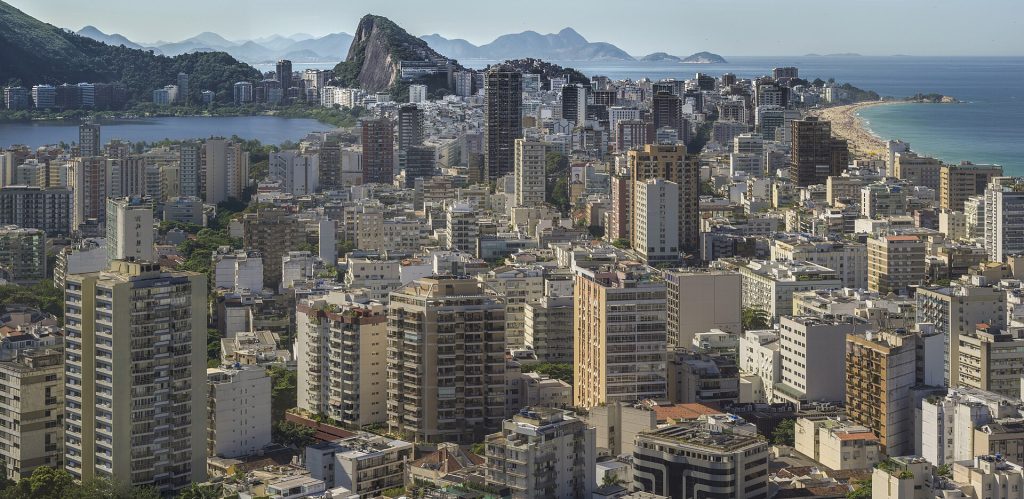
Copacabana is four kilometres long and is known for its wave-patterned mosaic pavement. Ipanema is next to it, quieter and more expensive, and the Arpoador rock at its end is the most famous spot for sunset — when the sun drops to the horizon there, the crowd applauds.
Santa Teresa is the artists’ quarter on the hill, reached by the old tram. The Lapa arches and the nightlife are below. The botanical garden is the quietest place in the city and is known for its avenue of giant palms.
Safety and transport in Rio de Janeiro
The rules are simple, and anyone who follows them gets around without trouble. Take only what you need to the beach, do not keep your phone and money visible, and do not wear an expensive watch or jewellery. Do not walk at night; use a taxi app.
Go into the favelas only on an organised tour with a local guide, never alone. The metro has three lines, covers the tourist districts and is clean and safe. Taking the city tours and summit tickets in advance settles both the queue and the transport.
Read more: A Brazil travel guide: Rio, Iguazu, Salvador, carnival and the rules for travelling safely
Carnival and the season
Carnival is held in February or early March, before Lent, and the date changes every year. The parade at the Sambadrome is ticketed, while the street blocks are free and draw millions of people. In that week hotel prices go up four or five times over and sell out months ahead.
The seasons are reversed. December to March is summer, hot and humid. April–June and September–November are more balanced, with 24–28 degrees. June to August is winter, but still around 20 degrees, and the sea is cool.
Prices in Rio de Janeiro
At ordinary times a three-star hotel is 50–100 dollars, and hotels facing the shore in Ipanema and Copacabana 100–180. A hostel bed starts at 15–30 dollars. Lunch at the buffet restaurants that charge by weight is 8–15 dollars, and that is the best-value option. Official information is on the Visit Rio site.
A last word
For a traveller who follows the rules, Rio de Janeiro is one of the most beautiful cities in the world. Go up Corcovado in the morning and Sugarloaf in the evening, take little to the beach, and move by taxi at night. For a visa and a route, fill in the application form.
Note: the prices in this article are those at the time of publication and may change with the season.
