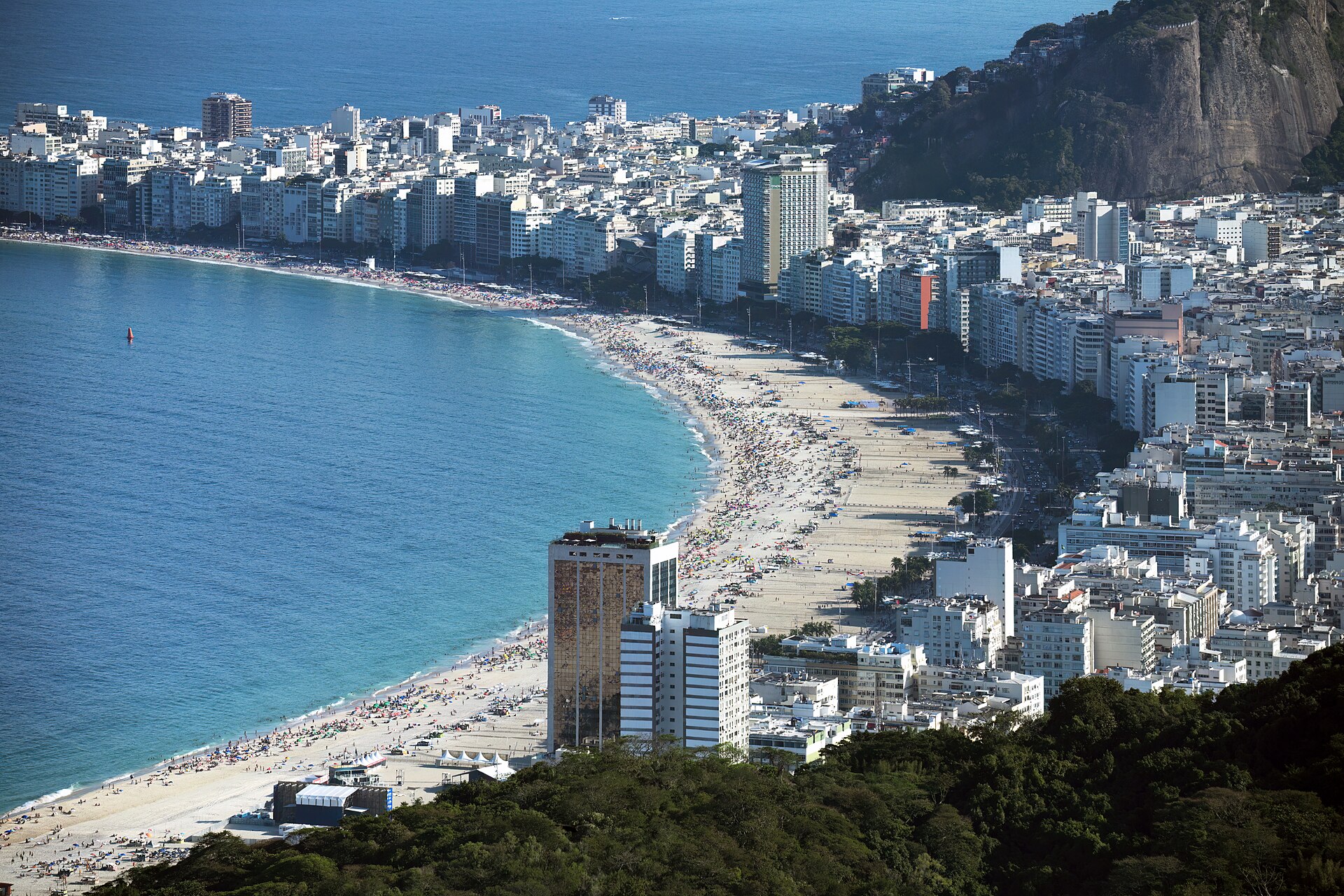
Seen from Baku, Brazil looks far away, huge and a little frightening. In fact, with the right plan it is one of the most colourful trips in the world. The beaches of Rio and the 275 falls of Iguazu are on one itinerary. The Afro-Brazilian rhythm of Salvador and the Amazon forest are there too. Every evening you can find a football match. The country is the size of a continent, so two or three regions are picked for one trip, and the safety rules differ from Europe’s and have to be known. In this article I have gathered the route and the transport in one place. The food, the season, safety and the budget are in there too.
Brazil in brief
| Capital | Brasília; the largest cities are São Paulo and Rio de Janeiro |
| Language | Portuguese; English is scarce outside the tourist zones |
| Currency | Real (BRL); cards are widely used, the Pix payment system is everywhere |
| Visa | A VIVIS tourist visa from the embassy in Baku, 90 days |
| Best time | April–October; carnival in February |
| Flight | 18–22 hours via Istanbul, Doha or Europe |
| Daily budget | 100–150 dollars at a mid-range level |
The regions of Brazil: where to go?
Rio de Janeiro is the centre of a first trip. The beaches of Copacabana and Ipanema are the city’s symbol. The statue of Christ the Redeemer looks down on it all. You go up Sugarloaf Mountain by cable car. The narrow streets of the Santa Teresa neighbourhood and the nightlife of Lapa are on the list too. Set aside four days; Rio does not like to be rushed. The Iguazu falls are on the Argentine border, a two-hour flight from Rio, and two days are enough. The Brazilian side gives you the panorama and the Argentine side the walkways that run among the falls, but Argentina needs a separate visa.
Salvador is the capital of Bahia state. With the coloured houses of the Pelourinho quarter and its Afro-Brazilian culture it presents an entirely different Brazil, and every evening drums are played in the street. São Paulo is the biggest city in Latin America; people go for the restaurants and the museums, and a day or two is enough for a tourist.
If you want to see the Amazon, head for Manaus; if you are after a beach, for the island of Fernando de Noronha or Jericoacoara; and for wildlife, for the Pantanal.
For a first trip this formula works well. Four days for Rio, two for Iguazu and three for Salvador.

Transport within Brazil
Between regions the only option is the plane. LATAM, GOL and Azul link all the big cities. Rio to Iguazu takes two hours, and to Salvador two as well. Booked early, a ticket is 60–120 dollars. Long-distance buses are comfortable but slow, with Rio to São Paulo taking six hours. Inside the cities, the metro in Rio covers the tourist zones and is safe, while Uber is the main transport, cheap and more reliable than a taxi — do not hail a taxi in the street at night. Car rental only makes sense for the southern coast or beach routes, and is not needed in the big cities.
Brazilian food: feijoada, churrasco and açaí
Feijoada, black beans with meat, is the national dish, traditionally eaten on Wednesdays and Saturdays, and on those days the restaurants fill up. At churrascaria restaurants the waiters bring the meat to the table on a skewer and carve it, unlimited for a fixed price of 25–40 dollars, so go hungry. Pão de queijo, small cheese breads, are the symbol of breakfast, and coxinha, a chicken croquette, of street food. In Bahia there is moqueca, fish in coconut milk, and everywhere ice cream and fresh juices made from the açaí berry. “Kilo” restaurants sell food by weight and are the cheapest lunch option at 8–12 dollars. Halal food is available at the Arab restaurants in São Paulo and Rio, as a large Lebanese community lives in Brazil.
Safety: how to behave in Brazil
The country is not as calm for tourists as Europe, and there is no point hiding that, but a few simple rules cut the risk a great deal. Do not keep your phone or valuables visible on the beach, and do not leave your things unattended when you go for a swim. At night in Rio do not walk beyond Copacabana and Ipanema; call an Uber. Go into a favela only with an official tour. Do not wear an expensive watch or jewellery and do not carry your phone in your hand in the street — the locals do not do it either. Use your bank card in shops and cash machines inside shopping centres. The great majority of tourists who follow these rules run into no trouble at all. The yellow fever vaccination is recommended for the Amazon and Iguazu, and insurance is essential.
Read next: A Brazil visa: how to get the VIVIS visa from the embassy in Baku
Season and carnival
The country is in the southern hemisphere. From December to March it is summer, hot and rainy, climbing to 35 degrees in Rio. From April to October it is dry and 25 degrees, the ideal time for a trip. Carnival is held at the end of February or the start of March, hotel prices in Rio and Salvador rise threefold or fourfold and fill up months in advance, with a Sambadrome ticket starting at 100 dollars. Iguazu is stronger in the rainy season, while the Amazon is visited in the dry season from June to November. Regional and event information is on the Visit Brasil portal.
Budget and tickets
Prices are cheaper than Europe’s. In Rio a three-star hotel in Copacabana is 70–120 dollars, in Iguazu 60–90 and in Salvador 50–80. Staying near the shore in Copacabana and Ipanema is also better for safety, so choose your hotel by neighbourhood.
The Christ the Redeemer train is 25 dollars and entry to Iguazu park 20, while a football match comes to 15–30. In Rio, taking favela and Christ the Redeemer tours from an operator with reviews is far more reliable than from the people touting in the street.
Leaving out the flight, a two-week trip fits into 2000–2800 dollars a head, but the flight takes the bulk of the budget. Air ticket to Brazil prices differ a great deal between the Istanbul, Doha, Lisbon and Madrid routes, and if you hold a Schengen visa the Lisbon option often works out cheapest.
Brazil tour packages linking Rio, Iguazu and Salvador, meanwhile, settle the domestic flights and safe transfers together.
Frequently asked questions about Brazil
How many days do you need for a Brazil trip?
At least twelve to fourteen days. The long flight and the domestic legs between three regions take time.
Can you cross to the Argentine side of Iguazu?
Argentina requires a visa from citizens of Azerbaijan. The Brazilian side of the falls gives the full impression on its own, and for the Argentine side you have to obtain a visa in advance.
Is it hard without Portuguese?
English works in the tourist zones, and in restaurants and taxis you need a translation app. Learning a few Portuguese words changes how people treat you.
In closing
Brazil is far away, but it is cheap and leaves an impression for life; for someone who knows the safety rules and can set aside two weeks it is an ideal choice. The visa process is explained on the Brazil page, and to build the route and the flight plan together fill in the application form.
Note: the prices here are as of the publication date and can change with the season.
