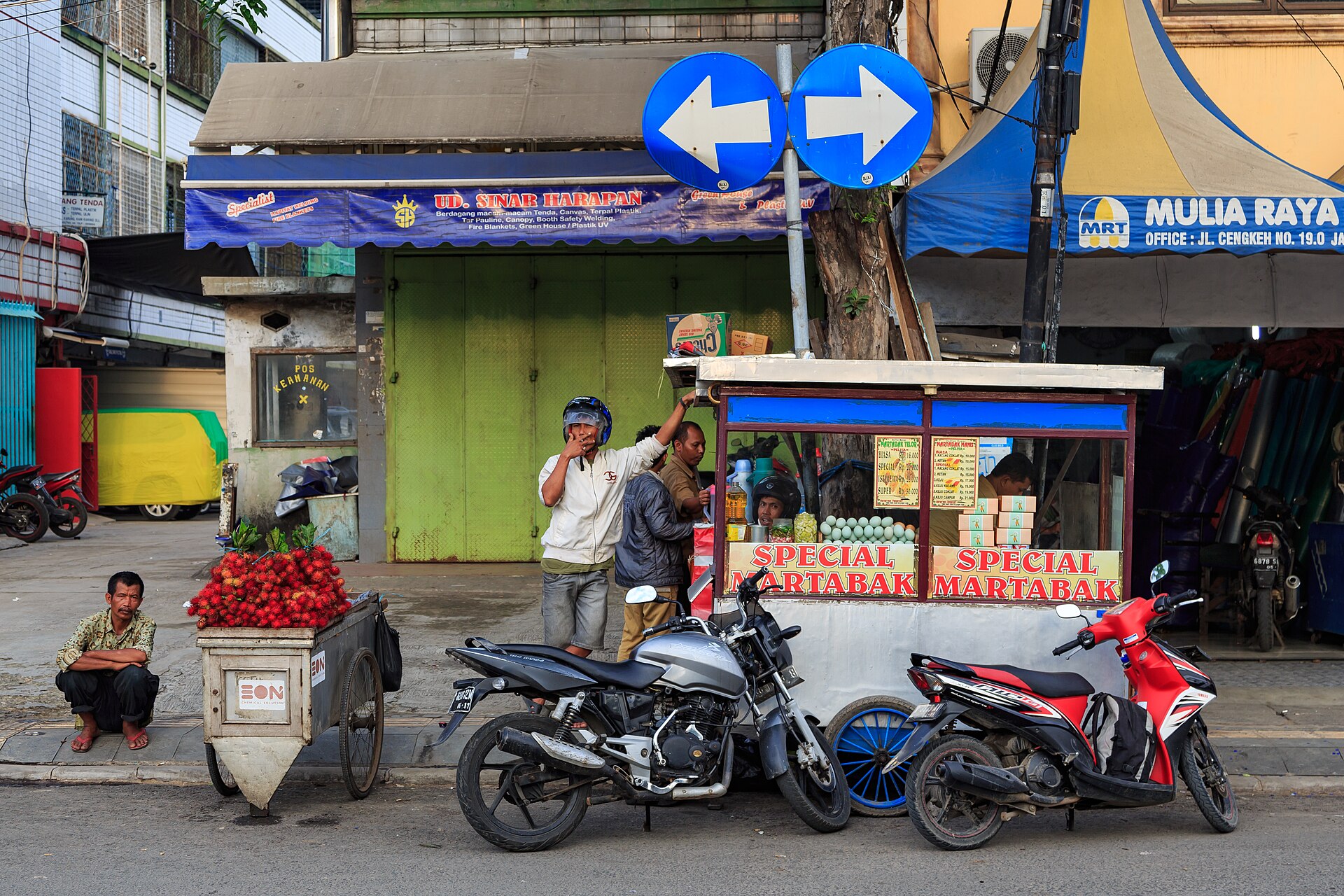
Jakarta is the capital of Indonesia and most of those flying to Bali never see it. Yet to understand the country itself, its tempo and its cooking, you have to spend a few days here. The city is enormous and the traffic is legendary, but the old Batavia quarter and the largest mosque in Southeast Asia are here. Below I have written the two days and the traffic question.
The old city and Monas in Jakarta
The old city called Kota Tua remains from the Dutch period and the buildings around the square are now museums. On Fatahillah square coloured bicycles are hired out, and at the weekend it fills with street musicians. At Sunda Kelapa harbour nearby, wooden sailing ships are still loaded.
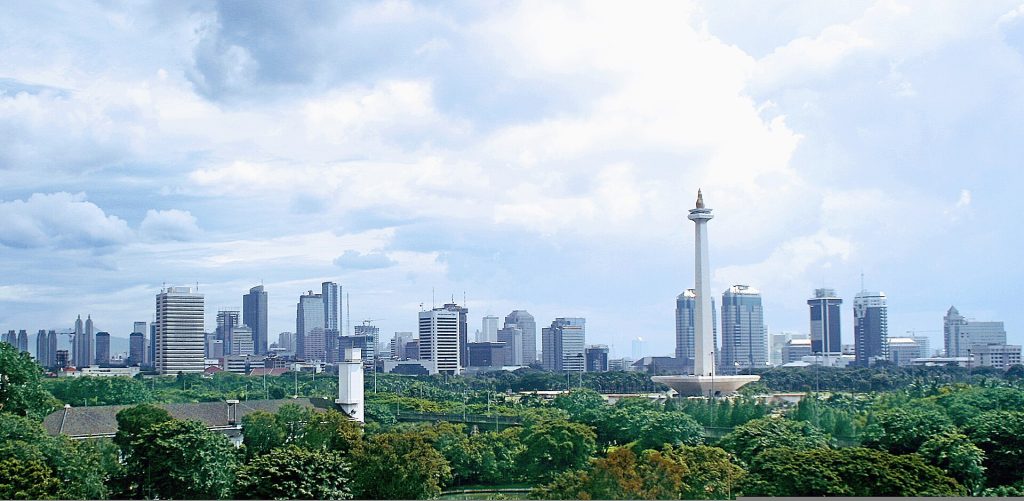
The National Monument called Monas is on the square in the middle of the city and the whole of Jakarta is visible from its top. The queue for the lift is long, so go early in the morning. The park around it is one of the city’s rare green spots.
The Istiqlal mosque and the cathedral opposite it
Istiqlal is the largest mosque in Southeast Asia and takes tens of thousands of people at once. There is a separate entrance and a guide for tourists, and clothing is provided. The visit takes half an hour and is free, with a donation box.
The most interesting detail, though, is the other side of the street: directly opposite the mosque stands a neo-Gothic Catholic cathedral and the two look at each other. On feast days they give each other their parking spaces. This scene explains the country’s own balance in a single picture.
The Thousand Islands and trips out of the city
The archipelago called the Thousand Islands is to the north of the city and takes one or two hours by fast boat. Some islands are for a day trip and some have small resorts. Do not expect Bali level, but it is enough for escaping the city.
By land there are the Bandung and Bogor directions, both meaning cool mountain air. For Yogyakarta and the Borobudur temple in the east of Java the train is a good option. Comparing train and bus timetables in advance makes the Java route considerably easier.
Read more: An Indonesia travel guide: Bali, Lombok, Java and Komodo — which island for what?
Transport and budget in Jakarta
The traffic here is no joke: five kilometres on the map can take an hour at peak time. The new metro line cuts the city from north to south and is the fastest option. The TransJakarta buses run in a separate lane, so they get there faster than a car. In other cases the Grab and Gojek motorbike option comes in useful.
| Three-star hotel | 25–50 dollars a night |
| Four-star | 60–110 dollars |
| Visa, e-VOA | 35 dollars, 30 days |
| Street food | 2–4 dollars a portion |
Choosing a hotel on the metro line saves you an hour or two a day here, so compare hotels by the metro station. There is no direct flight; you go via Doha, Dubai and Singapore, so check ticket prices in the Jakarta direction together with the Bali option. Official tourism information is on Indonesia’s official tourism portal.
Season in Jakarta
April–October is the dry season and the most comfortable time for the city, with the weather at 28–33 degrees. November–March is rainy, and in January there is flooding in some districts, so follow the news. Humidity is high all year, so walks have to be moved to the morning and the evening. In the week of the Eid holiday the city empties, but transport and hotel prices rise.
In one sentence
Jakarta is not a beautiful city, but it is a necessary city for understanding Indonesia. Stay on the metro line, go to Kota Tua in the morning, see Istiqlal and the cathedral together, and add an hour to every journey for the traffic. If you want to combine Java and Bali in one route, you can look at the ready-made tour options. For a route and a visa, fill in the application form.
Note: the visa fee and transport timetables may change, so check on the official portal before travelling.
