Zurich is always in the top five in the rankings of the world’s most expensive cities, and you feel that with your first coffee. But the city itself is small, it is on a lake and it is walked in a day. Its real value is elsewhere: all of Switzerland’s mountain routes begin one or two hours from here. Two days for the city and the remaining days for the mountains — that is the most correct plan. Switzerland is among the expensive flight destinations, and the prices can be followed on bilet.az’s Zurich page.
The old town and the lake
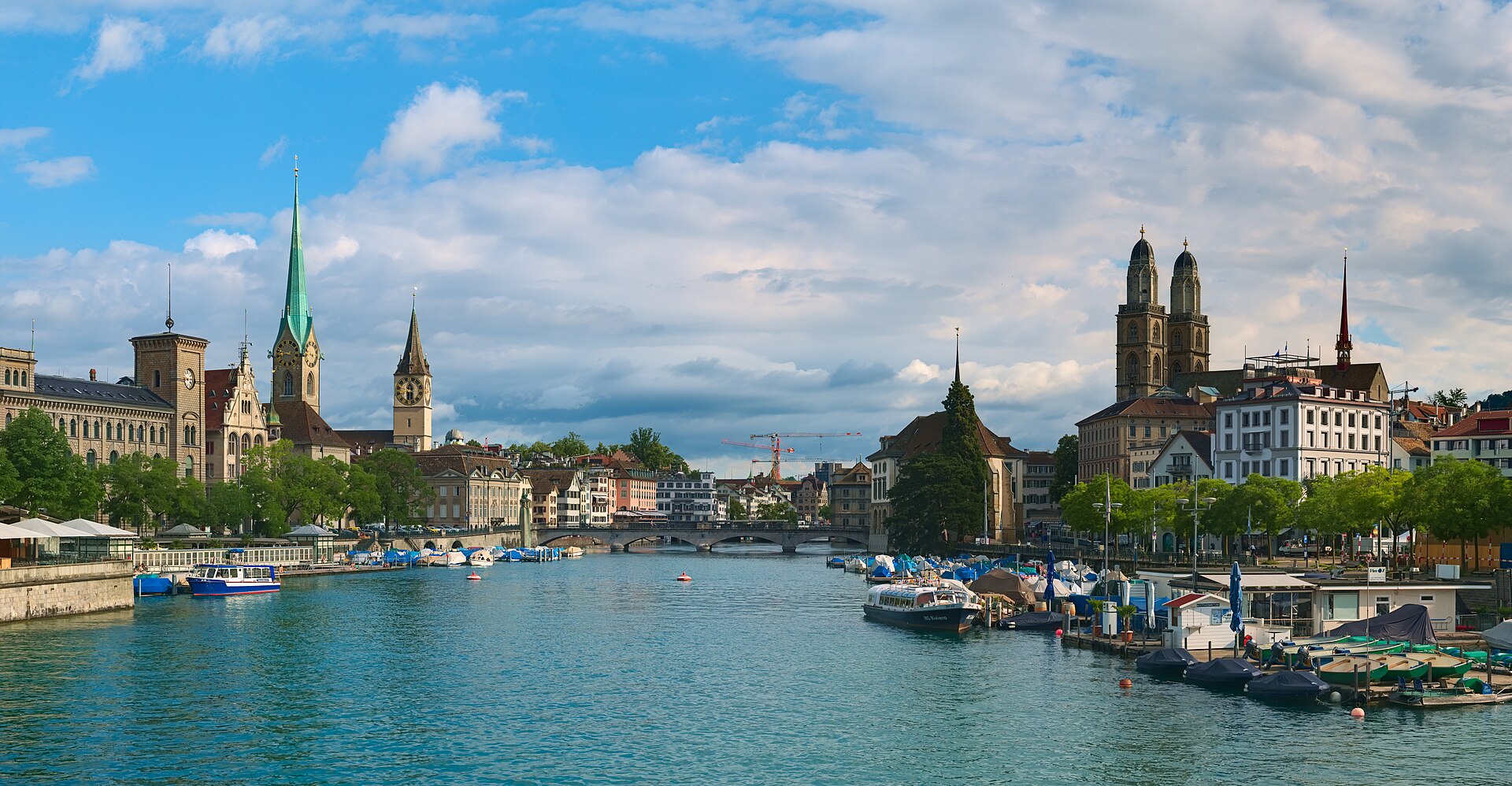
The old town on both sides of the Limmat river consists of narrow streets. The two towers of the Grossmunster church are the city’s symbol, one can be climbed and the lake is visible along with it. In the Fraumunster church on the opposite bank there are Chagall’s stained-glass windows.
Bahnhofstrasse is among the most expensive shopping streets in the world, and walking it is interesting even if you do not shop. The promenade along the lakeshore is free, and in summer locals go straight into the lake; swimming inside the city is normal here. You go up to the Uetliberg hill in twenty minutes by train, and from there the Alps are visible on the horizon.
Museums and the Zurich West district
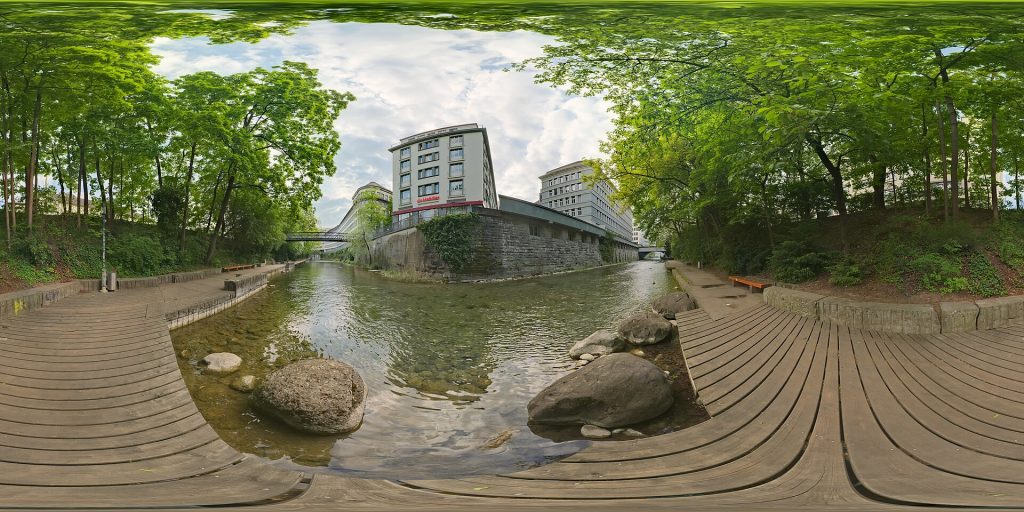
The Swiss National Museum is next to the station, in a building that looks like a castle, and gathers the country’s history in one place. The Kunsthaus gallery has a Giacometti collection. Zurich West is a former industrial district and the restaurants, bars and design shops are there now, with prices lower than in the centre.
Lake boat tours run in the summer months, and there are also short routes included in an ordinary transport ticket. Knowing this is a real saving here. Taking the city tours and museum tickets in advance saves time on a short trip.
From Zurich to the mountains
Lucerne is forty-five minutes by train and is known for its wooden bridge, while cog railways climb the Pilatus and Rigi mountains beside it. Interlaken is two hours and opens onto the Jungfrau region. The Rhine falls at Schaffhausen are the most powerful in Europe and are an hour and a half away.
The trains run precisely and the network reaches every corner of the country. The Swiss Travel Pass works out economical for those travelling several days in a row, while for one or two routes separate tickets come out cheaper. Compare the options on one screen and do the sums.
Prices and saving in Zurich
Dinner in a restaurant costs 35–60 francs a head. The ready meals from the supermarket chains bring that down threefold and the quality is good. The shops inside the station are open on Sunday too, which is a rare thing in the country.
A three-star hotel is 180–280 francs, while a hostel bed starts from 50–80. Hotel guests are often given a free city transport card, so ask at check-in. Official information is on the Zürich Tourism site.
Season in Zurich
May–September is the best period, the weather is 20–26 degrees and the lakeshore comes alive. For the mountain routes June–September is suitable, as the high passes close in winter. In December the Christmas market is set up inside the station. January–March is the ski season.
In short
Zurich itself is a two-day city, and the real reason is the mountain trains that start from here. Go up Uetliberg, get into the lake, and work out the mountain routes in advance. For a visa and a route, fill in the application form.
Note: the prices in this article are those at the time of publication and may change with the season.
