The question of what a visa is looks simple, but the answer confuses many people: is a visa a stamp in the passport, or permission to enter? Why does one country require a visa and another not? What do the words «Schengen», «multi», «e-visa» and «visa on arrival» mean, and which one do you need? This article explains the idea of a visa from scratch, in plain words: what a visa is, what types exist, how it is issued and what mistakes people most often make.
What is a visa and why is it needed?
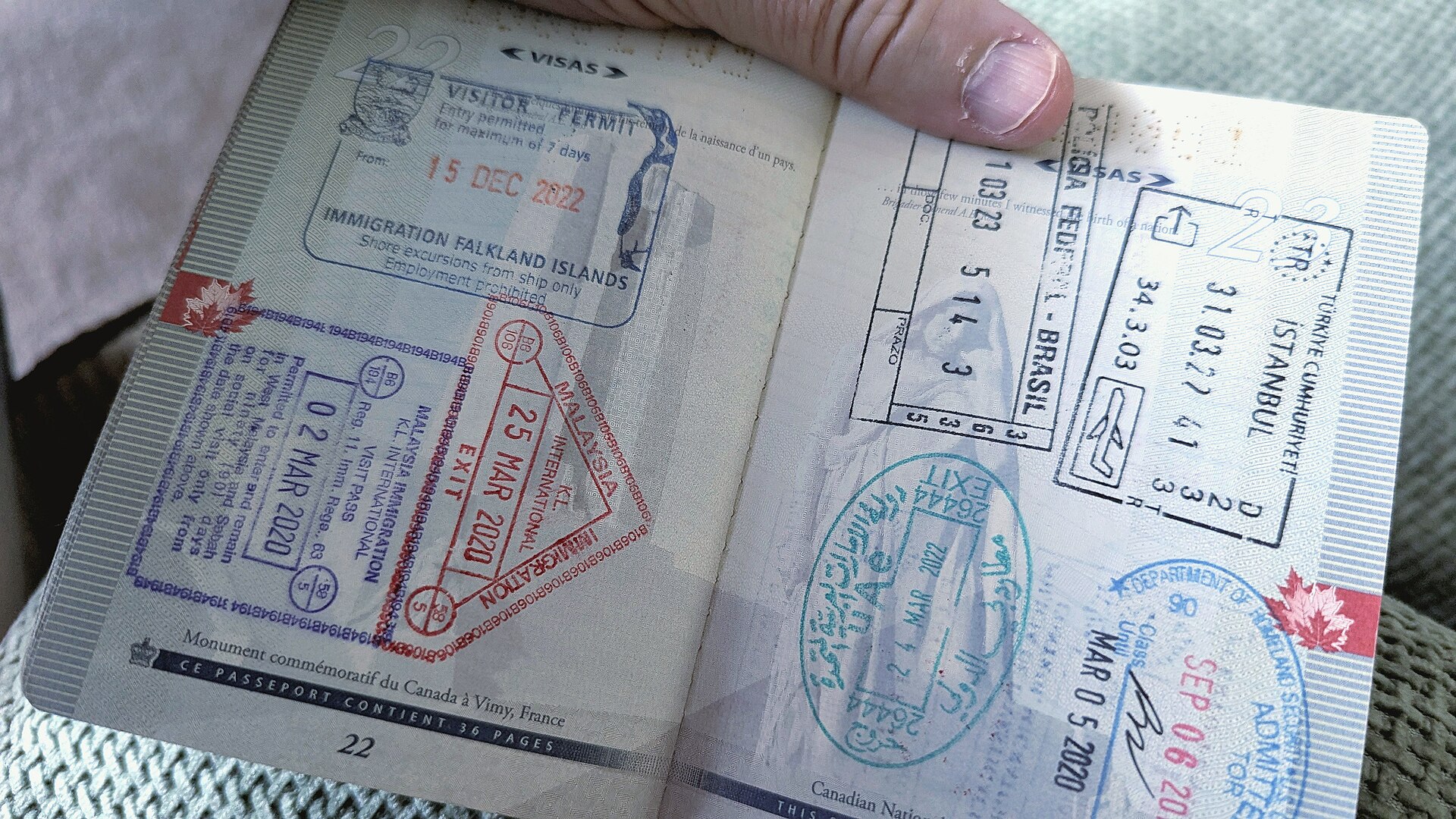
A visa is the official permission a state gives a foreign national to enter its territory, stay there for a certain period or pass through in transit. That permission takes the form of a sticker in the passport, a stamp or an electronic record. The important point is that a visa is not a guarantee of entry: the final decision is made by the border officer, and even with a visa you can be turned back if your documents raise doubts. Countries impose visa requirements for security, migration control and reciprocity: if Azerbaijan admits a country’s citizens without a visa, that country usually admits ours without one too. That is why an Azerbaijani passport needs no visa for Türkiye, Georgia or the UAE, but does need one for Germany or the USA.
| Visa | Permission to enter a country and stay for a short period |
| Residence permit | A document for living, working or studying in a country long term |
| Validity period | The dates between which the visa can be used |
| Length of stay | How many days you may stay in the country on each entry |
| Number of entries | Single, double or multiple («multi») |
| Fee | The consular fee, usually non-refundable |
What is a visa: the main types
Visas are divided by purpose and by duration.
The short-stay visa is called «C» type in the Schengen system. It is issued for tourism, visiting relatives, business meetings and medical treatment, and allows up to 90 days within a 180-day period.
The long-stay, that is national, visa is «D» type. It is for study, work and family reunion, and turns into a residence permit after entry.
The transit visa is only for passing through an airport or across a country’s territory. Australia, for example, requires one from citizens of Azerbaijan even for transit.
Beyond these there are categories such as the work visa, the student visa and the immigrant visa, each with its own document pack.
How a visa is issued: embassy, visa centre, online
There are four ways to get a visa.
The classic way is the embassy or consulate. You submit the form, the documents and the fee, and sometimes there is an interview.
The second is the visa centre. Many countries have outsourced document intake to centres such as VFS Global, TLScontact, Capago and BLS. The centre collects the documents and takes fingerprints, while the decision is still made by the embassy.
The third is the electronic visa. The application is made on a website, the approval arrives by email and there is no need to visit an embassy. India, Vietnam, Saudi Arabia and Oman work this way.
The fourth is the visa on arrival. Countries such as Nepal, Egypt and Thailand issue the visa at the airport itself.
Azerbaijan itself also runs an electronic visa for foreigners, through the official ASAN Visa portal.
What the visa says: validity, length of stay and entries
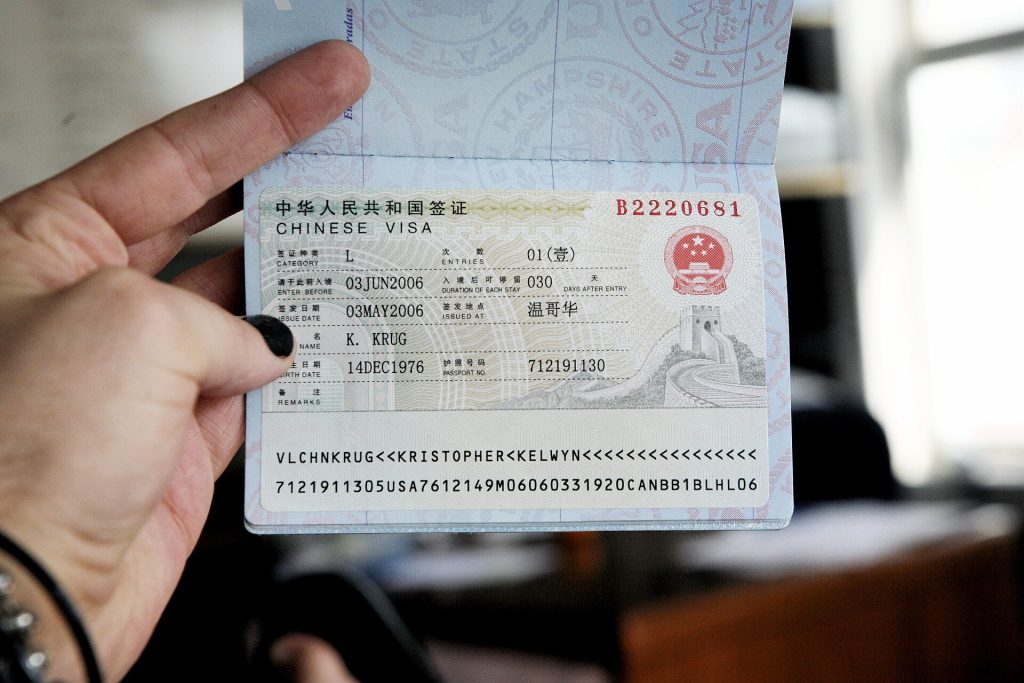
Three numbers on the visa sticker are confused more than anything else. The validity period shows the dates on which the visa works, for example 1 June to 30 November. The length of stay shows how many days you may spend in the country within that period, for example 30 days. The number of entries tells you whether you may enter once, twice or many times. A visa valid for six months, for 30 days, single entry means you may enter once at any point in those six months and stay at most 30 days; once you leave the visa is spent, even if time remains on it.
Read next: Getting a Schengen visa: which country to apply to and where to file in Baku
The difference between a visa and a residence permit
A visa is for a short trip; a residence permit is for living in the country. Working or studying on a tourist visa is forbidden and, when discovered, results in deportation, a fine and years of entry ban. Someone wanting to stay long term first obtains a long-stay visa, enters the country and formalises a residence permit there; in Türkiye it is called ikamet, in Germany Aufenthaltstitel. Visa-free travel also applies only to short trips: you can enter Türkiye for 90 days without a visa, but working there needs a separate permit.
What happens when a visa is refused?
A refusal leaves no trace in the passport, but it stays in the embassy’s database and is asked about on the next application. The commonest reasons are weak financial documents, an unclear purpose of travel, inconsistent bookings and a failure to show ties bringing you home. The refusal letter gives a reason code and the appeal procedure; correcting the reason and applying again is often faster than appealing. This is also why tickets should be bought after the visa is granted: applying with a reservation and paying for the ticket once the visa comes through is the safest route. Track fares in advance by comparing air ticket prices against the dates, and fit the visa period to the dates of the tour package.
Frequently asked questions about what a visa is
What is an e-visa?
An electronic visa is one bought online and not pasted into the passport; the approval is printed or shown on a phone. It has the same legal force as an ordinary visa — only the way of obtaining it differs.
What is a multi visa?
A multiple-entry visa lets you enter the country repeatedly during its validity. Schengen has 1, 3 and 5-year multi visas, and the rule of 90 days in every 180 applies to them too.
What is a transit visa?
A visa issued only for passing through an airport’s transit zone or across a country’s territory. The USA and Australia require one from citizens of Azerbaijan even in transit, while Doha and Dubai ask for nothing for transit.
What is a visa on arrival?
A visa issued on the spot when you reach the country, at the airport or a land crossing. The fee is usually paid in cash and there can be a queue, so if the same country also offers an online option, buying in advance is more comfortable.
In closing
The short answer to what a visa is: permission obtained in advance to enter a country, which does not guarantee entry and is meant for short trips. Which visa each country needs, the document pack and where to apply are explained country by country in our destinations section; if a question remains, fill in the application form and the Viza.az team will answer.
Note: the information here is accurate as of the publication date. Visa rules differ from country to country, so check the official sources again before applying.
