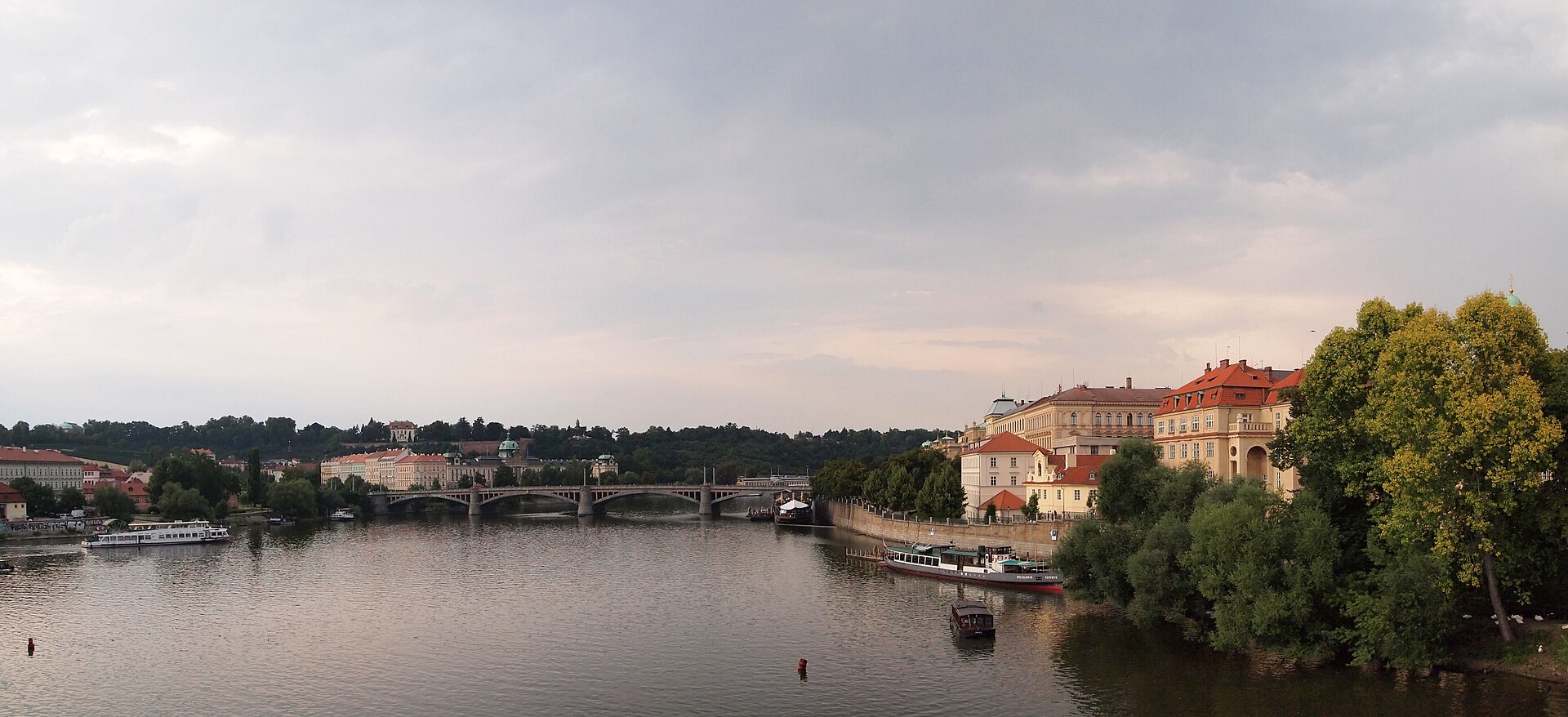
Czechia is one of the easiest countries for a first trip to Europe from Baku. There is a direct flight to Prague, the visa is Schengen, the capital is among Europe’s most beautiful, and prices are below Germany’s. Outside Prague there are the Karlovy Vary and Mariánské Lázně spas, where our people have gone for treatment since Soviet times — and still go. In this article I have gathered Prague’s districts, the spa towns and the small cities. Transport, food, the season and the budget are here too.
Czechia in brief
| Capital | Prague |
| Language | Czech; English in tourism, Russian among the older generation |
| Currency | Czech koruna (CZK), 1 euro ≈ 25 korunas; euros accepted only in some places |
| Visa | Schengen «C» visa, through VFS Global in Baku |
| Best time | April–May and September–October; Christmas markets in December |
| Flights | Baku–Prague direct, AZAL, 4.5 hours |
| Daily budget | 80–120 euros at a mid-range level |
Prague: districts and hidden corners
Prague is walked in three days, and on foot is the best way. Old Town Square with the astronomical clock, Charles Bridge, the Malá Strana quarter and Prague Castle make up the classic route.
Let me give one piece of advice: go to Charles Bridge at eight in the morning. At that hour the bridge is empty; by midday you cannot get across it.
The Vinohrady and Žižkov quarters are for local cafés and evenings without tourists. Letná park gives the city’s best view, and Vyšehrad castle is the quiet alternative to Prague Castle. The funicular up Petřín hill works on an ordinary tram ticket and costs nothing extra. The Jewish quarter, the Dancing House and Kampa island are half-day additions.
On price, Prague is cheaper than Germany and dearer than the Balkans; lunch in a restaurant in the centre is 10–15 euros.
Czech spas: Karlovy Vary and Mariánské Lázně
Karlovy Vary is two hours from Prague and, with its hot mineral springs, is Europe’s most famous spa town. Twelve springs and the colonnades are in the centre of town. Drinking the water from a special spouted cup is a ritual of its own. People walk along the colonnade with a cup in hand — everyone does it there. A sanatorium course for digestive and metabolic conditions runs two or three weeks, at 100–200 euros a day including hotel and treatments, with the medical examination done on arrival. Mariánské Lázně is quieter and greener, and people go there for respiratory and joint conditions, while Františkovy Lázně is the smallest and most classic spa. For anyone going as a tourist, Karlovy Vary is a day trip: the colonnade, the Diana tower and the Becherovka museum.
Beyond Prague: Český Krumlov, Brno, Kutná Hora
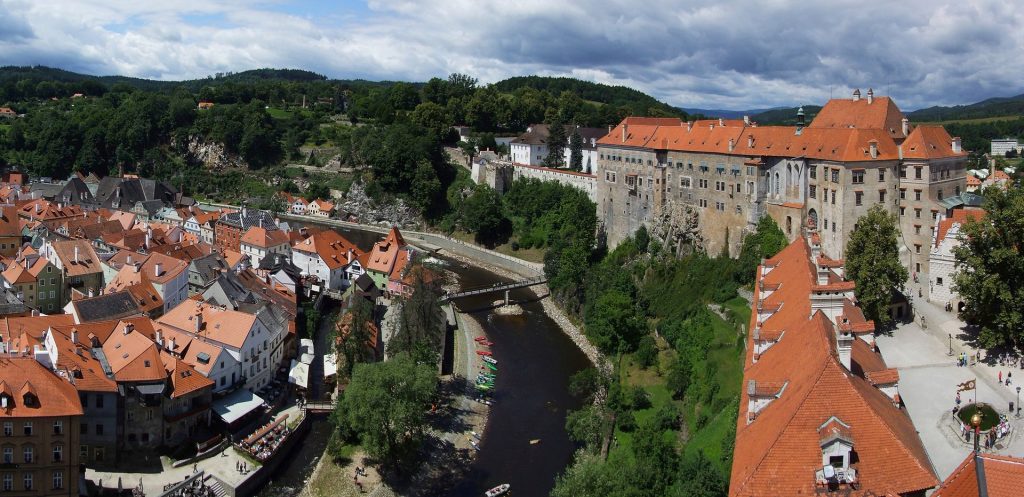
Český Krumlov is a medieval town in the south of the country, set in a bend of the Vltava. With its castle it is on the UNESCO list. It is three hours from Prague by bus. By day it fills with tour groups and in the evening it empties, so it is worth staying a night. Kutná Hora with its bone church and silver mines is an hour away; the church unsettles you a little, but it stays with you. Brno is the second city, with a student atmosphere and close to Vienna. People go to Plzeň for the beer museum and to Olomouc for an old town without tourists. In the north, Bohemian Switzerland national park is a trekking area with its rock bridges.
Getting around Czechia
In Prague the metro, trams and buses work on one ticket. A ninety-minute ticket is 1.5 euros and a twenty-four-hour one 5, both bought in the app. Buying a timed ticket for Prague Castle and the astronomical clock saves an hour of queueing in summer.
Tram number twenty-two passes beside the castle and is used as a sightseeing route — sit by the window. The bus and metro take forty minutes from the airport to the centre.
Between cities the RegioJet and FlixBus coaches are cheap and comfortable: Prague to Karlovy Vary takes two hours and a ticket is 5–8 euros. The trains run punctually too, and searching both together is the fastest way.
Use Bolt and Uber instead of taxis; the taxis outside the station charge tourists double. Car hire is 30–45 euros a day, and the motorway vignette is bought online.
The Czech kitchen
Czech cooking is heavy and filling, built for winter. Svíčková is beef served with a cream sauce and knedlíky, goulash comes alongside, and smažený sýr, fried cheese, is the vegetarians’ choice.
The knedlíky they mention — slices of boiled dough — come with almost every dish. It looks odd the first time, and then you get used to it. Trdelník, the street pastry, was actually invented for tourists, but it is good.
At lunchtime look for the «polední menu», which gives soup and a main course for 6–8 euros. Halal food is available in Prague’s Turkish and Arab restaurants, while pork dominates in Czech restaurants, so you have to read the menu. Tipping is ten per cent and given in cash.
Read next: Czechia visa: the translation requirement, the 15-day term and the direct Baku–Prague flight
When to go to Czechia, and what it costs
Summer is 25–28 degrees, winter around zero, grey and snowy. April–May and September–October are the best time. In December the Christmas market on Old Town Square is among Europe’s finest, while on New Year’s Eve Prague is filled to the brim — book the hotel in autumn. Information on the spas and events is on the VisitCzechia portal.
A hotel is 70–120 euros in Prague, 60–100 in Karlovy Vary and 60–90 in Český Krumlov. Prague Castle is 12 euros and museums 8–15.
Excluding the flight, a week-long trip fits into 700–1000 euros per person. AZAL flies direct from Baku to Prague, and tickets to Prague get more expensive over Christmas and the Novruz holiday. Czechia tour packages covering Prague, Karlovy Vary and Český Krumlov settle the intercity transfers together.
Frequently asked questions about Czechia
How many days does Czechia need?
Prague three days, Karlovy Vary or Český Krumlov one or two. Five or six days is the ideal plan, while a treatment stay is two or three weeks.
Can you pay in euros?
In some tourist places, at a poor rate. Withdrawing korunas or paying by card is better value; most of the street exchange offices are a tourist trap.
Can you cross from Prague to Vienna and Dresden?
Yes: Dresden is two hours and Vienna four by train, and both are in Schengen. The visa is taken for the main country of the trip.
In closing
With a direct flight, a beautiful capital and its spa towns, Czechia is among the best-value addresses for a first trip to Europe from Baku. The visa rules are explained on the Czechia page, and to plan Prague or a spa stay together, fill in the application form.
Note: the prices here are as of the publication date and can change with the season.
