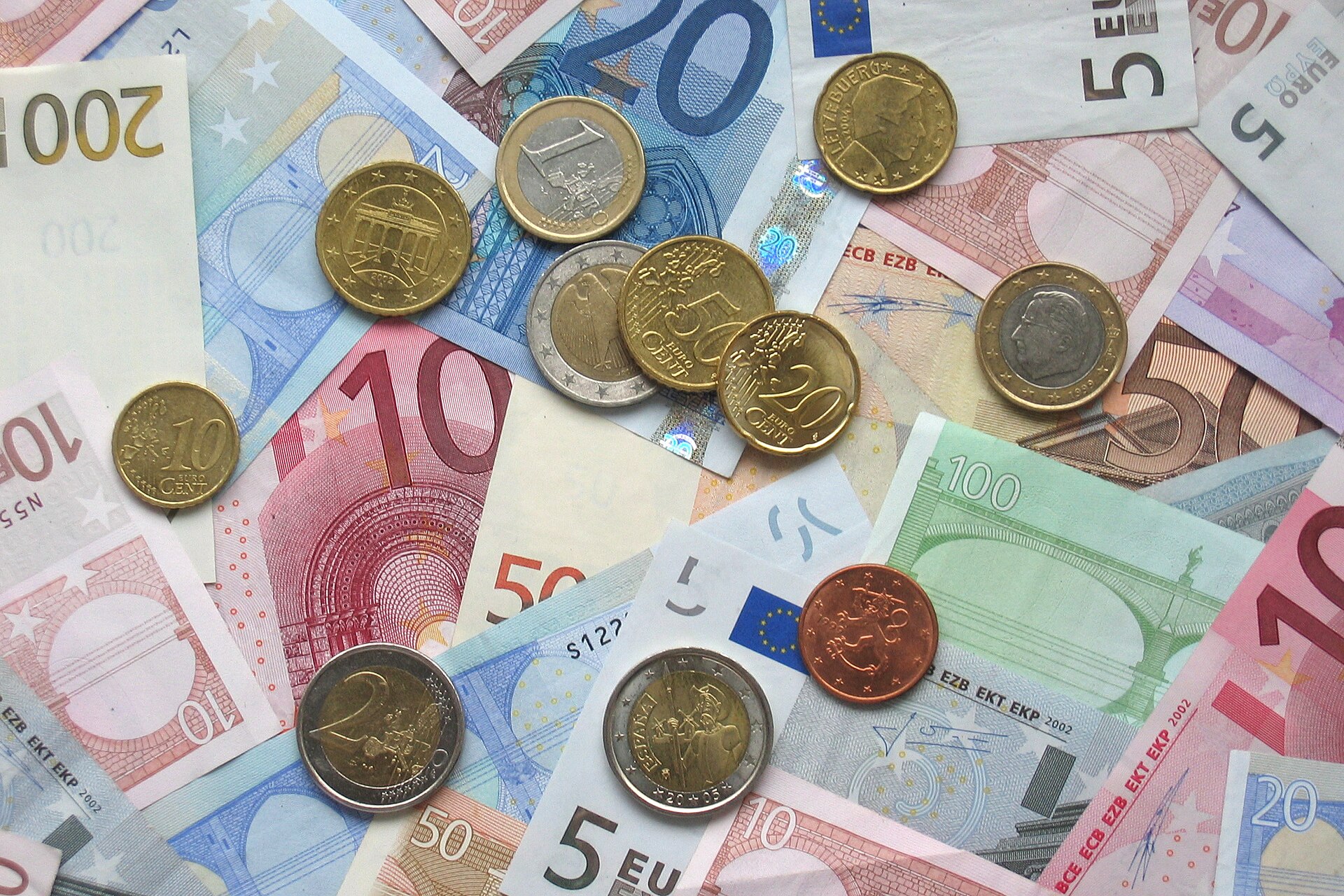
The most frequently asked question about the visa fee is always the same: is the money returned if you are refused. The answer is short: it is not. The fee is charged not for the visa but for the consideration of the application, and does not depend on the outcome. That is exactly why assembling the package correctly the first time is a direct saving. Below I have written the fees and the hidden costs added alongside them.
How much is the visa fee
| Schengen, citizens of Azerbaijan | 35 euros, under the EU–Azerbaijan agreement |
| Schengen, under 12 | Free of charge |
| Schengen, citizens of other countries | 90 euros |
| Britain, standard | 135 pounds, a 6-month visa |
| United States, B1/B2 | 185 dollars, plus 250 dollars when the visa is issued |
| Canada | 100 Canadian dollars plus 85 dollars for biometrics |
Pay particular attention to the Schengen line. The figure you meet most often on the internet is 90 euros, but that one does not apply to us. Under the visa agreement between Azerbaijan and the European Union, in force since 2014, our citizens pay 35 euros, while children under 12 do not pay at all.
The second figure on the United States line is new as well. Under a law adopted in July 2025 a 250-dollar “visa integrity fee” has been introduced, and it is paid not at the time of application but when the visa is issued. Those who receive a refusal do not pay that amount.
These figures are the main fee taken by the state. On top of it comes the visa centre’s service charge, which is paid separately. That is, the ninety euros you see on the screen is not the final amount.
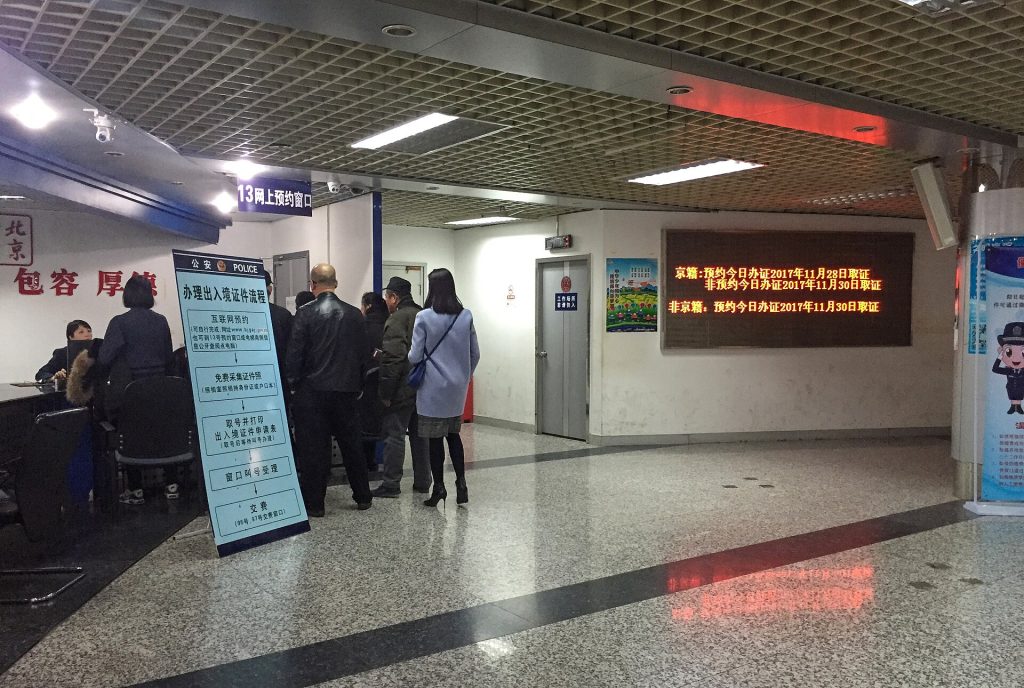
The extra costs alongside the visa fee
The centre’s service charge varies between twenty-five and forty euros depending on the country. A courier service, that is, delivery of the passport to your home, adds ten to fifteen euros. A fast-track queue option has a separate tariff at some centres.
Beyond these, the documents themselves cost money. Travel insurance for a week-long trip is ten to twenty-five euros, while notarised translations are calculated by the number of documents. Photographs and copies are small costs, but they too go into the total.
Who is exempt from the fee
Under the Schengen rules children under six do not pay the fee. Researchers taking part in academic conferences, participants in student exchanges under the age of twenty-five and some people travelling on an official invitation also benefit from an exemption.
These exemptions are not applied automatically; the relevant document has to be submitted. A conference invitation or a university letter is the basis for it. Check the list before applying, because there are differences between countries.
Read more: A visa for Canada: 185 dollars, biometrics at VFS and how many months you have to wait
How to pay the fee and keep the receipt
The payment method depends on the centre; some accept only cash and some only cards. The amount is calculated in local currency at the centre’s own exchange rate, and that differs slightly from the bank rate.
Be sure to keep the receipt, as it may be required when you collect the passport. Write all the costs into the travel budget in advance, because when a family applies the final amount comes out larger than you expect. The official fee table is published on the European Commission site.
In short
The visa fee is not returned in the event of a refusal, and the service charge and document costs are added alongside it. Work out the final amount in advance, check the exemption list, and keep the receipt. To assemble the package correctly the first time, fill in the application form.
Note: fee amounts change, so check the official tariff before applying.
