When people say building an itinerary, most of them picture drawing a line on a map. In fact it is an arithmetic problem, and the formula is simple: how many days you have, how many days each city takes, how many hours you spend travelling in between. The mistake is always in the third part, because travel time does not show up in the plan yet eats up half a day in reality. Below I have written the rules for building a route properly.
The three-night rule for building an itinerary
Give each city at least three nights. The first day goes on the journey and settling in, and the second and third are the real sightseeing. With less than three nights a person does not see the city, they merely photograph it.
Simple arithmetic follows from that. Two cities fit into a week-long trip, three into ten days and four into a fortnight. Whoever adds a fifth city always comes home exhausted and remembers none of them.
One country or several
On a first Schengen trip choosing a single country is both cheaper and correct from the visa point of view. The consular application is made to the country where you spend the most nights, and the simpler the route, the clearer the document package.
Combining several countries makes sense on geographical grounds. Prague, Vienna and Budapest are two or three hours apart and all three fall easily into one route. Rome and Barcelona are not so comfortable to combine, because a flight is needed between them and a day is lost.
How to move between the cities
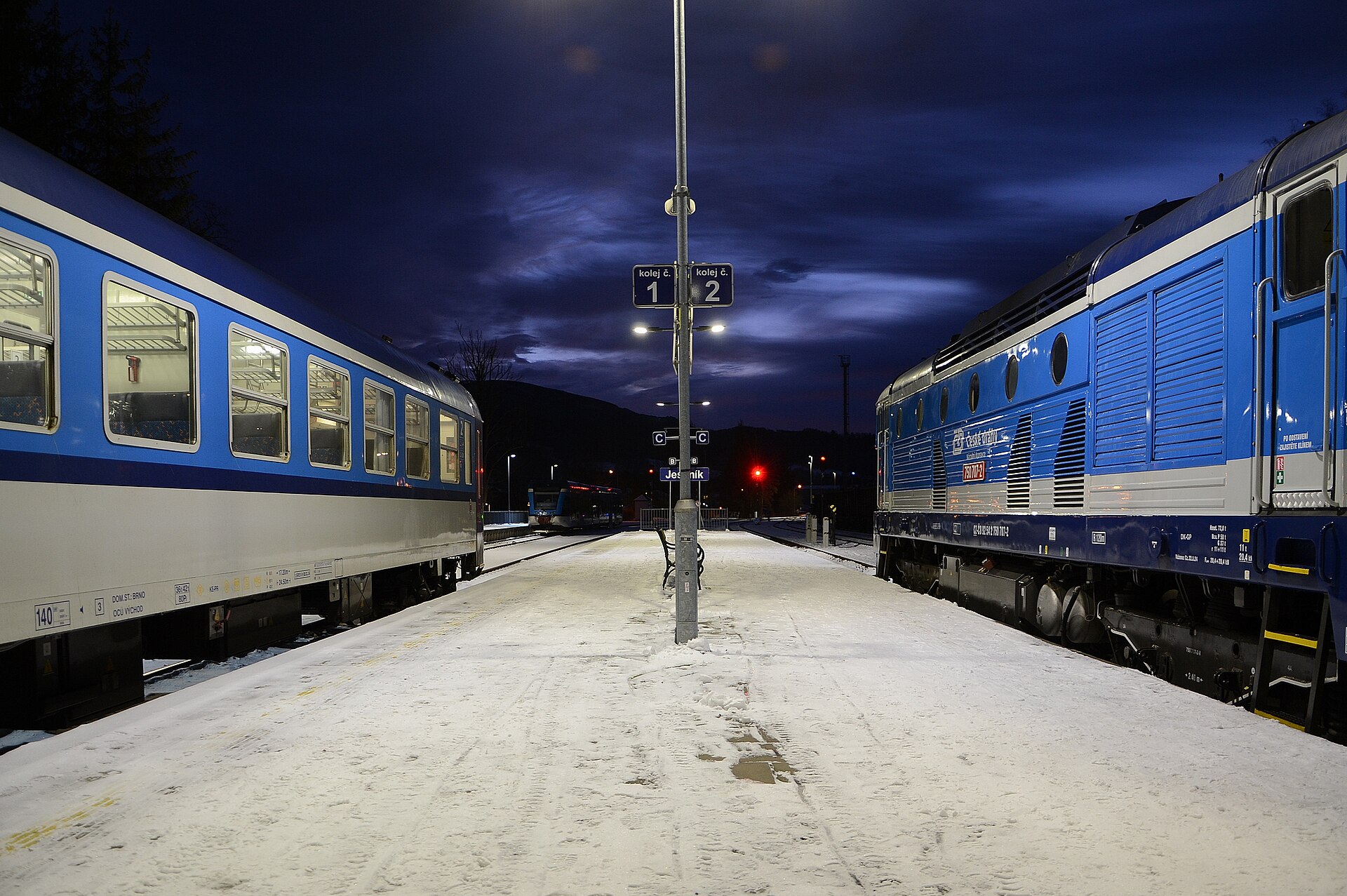
Over distances of under four hours the train is almost always faster than the plane, because getting to the airport, checking in and waiting add three hours on top. The train also runs from city centre to city centre, and that is a serious advantage.
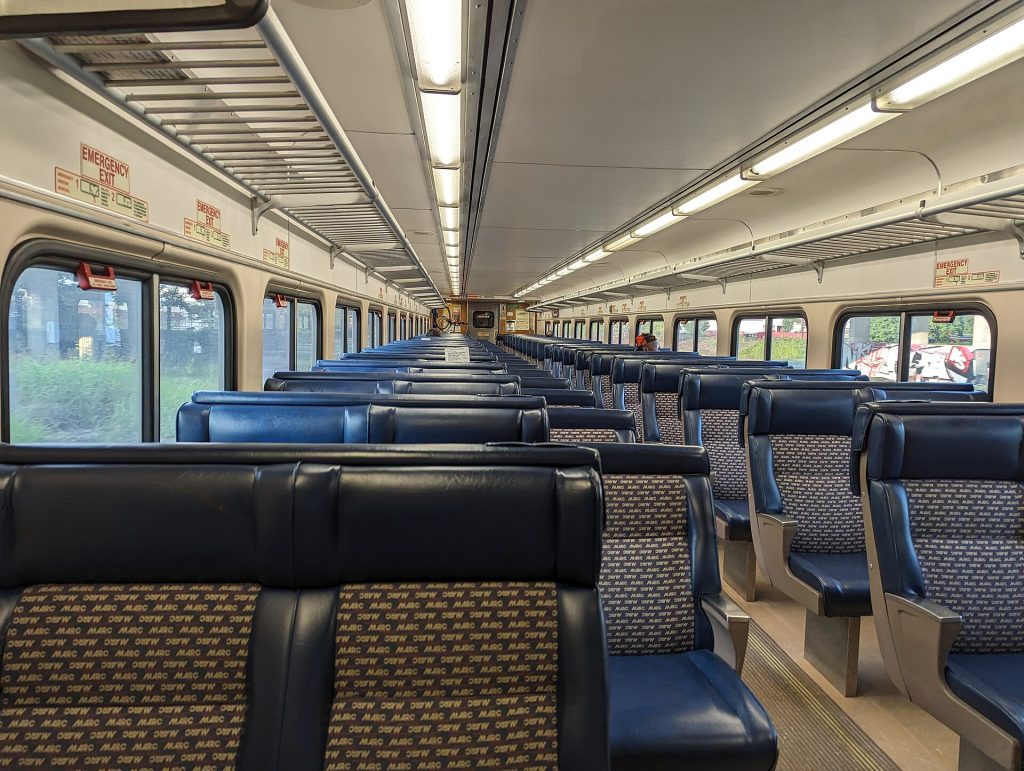
Over long distances the low-cost airlines win, but the transfer and the baggage have to be added to the ticket price. Comparing train, bus and flight options on one screen brings that calculation down to a few seconds. A night train saves you one night’s hotel money, but you arrive in the morning tired.
Read more: A Schengen countries travel guide: 29 countries on one visa, choosing a route, trains and budget
How to divide the day
Plan two main points a day and keep a third in reserve. A museum in the morning, a long lunch in the afternoon and a viewpoint in the evening: that rhythm works in almost every city. Free time has to be left in between, because the best moments are found unplanned.
Check the museums’ closing days in advance. In Europe many museums do not open on Monday, and in Italy some churches close at midday. An itinerary built without knowing this comes to nothing at all on that particular day.
A package tour or your own itinerary
The advantage of a package tour is that it does not eat your time; the flight and the hotel are settled together. An independent route is cheaper, and you choose the rhythm yourself. Looking at ready multi-city programmes and comparing them with your own arithmetic is the simplest way to decide. Official information about the European transport network is on the Eurail site.
In summary
Building an itinerary means choosing few cities and counting the travel time honestly. Give each city three nights, combine them to suit the geography, put two points in a day. To build the route together with the visa requirements, fill in the application form.
Note: transport times and museum schedules change with the season, so check them before the trip.
