Delhi bewilders you in the first hour and there is no point hiding that. The noise, the traffic, the smell and the crowd all arrive at once. But after the second day the city begins to open up, because there is three thousand years of history here, world-class monuments and extraordinary food. Delhi is also the start of the Golden Triangle route. Below I have written the practical rules.
Old Delhi and New Delhi
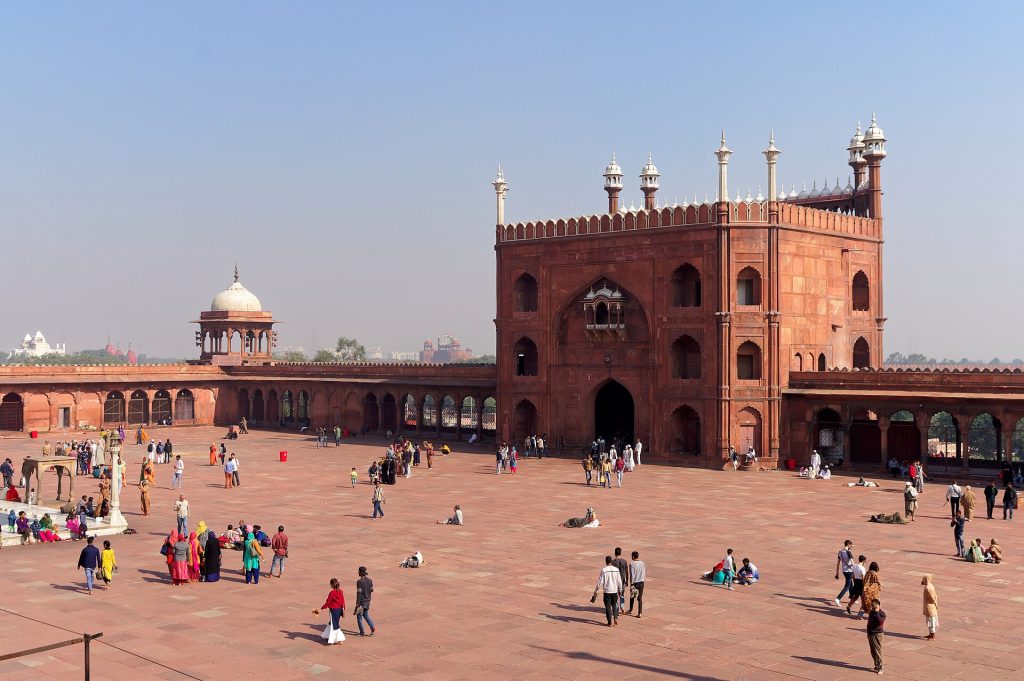
Old Delhi is left from the Mughal period. The Red Fort is an enormous sandstone complex, while the Jama Masjid is among the largest mosques in the country and the roofs of the old city are visible from its courtyard. The Chandni Chowk bazaar is made of narrow passages, and going through it by cycle rickshaw is the most practical method.
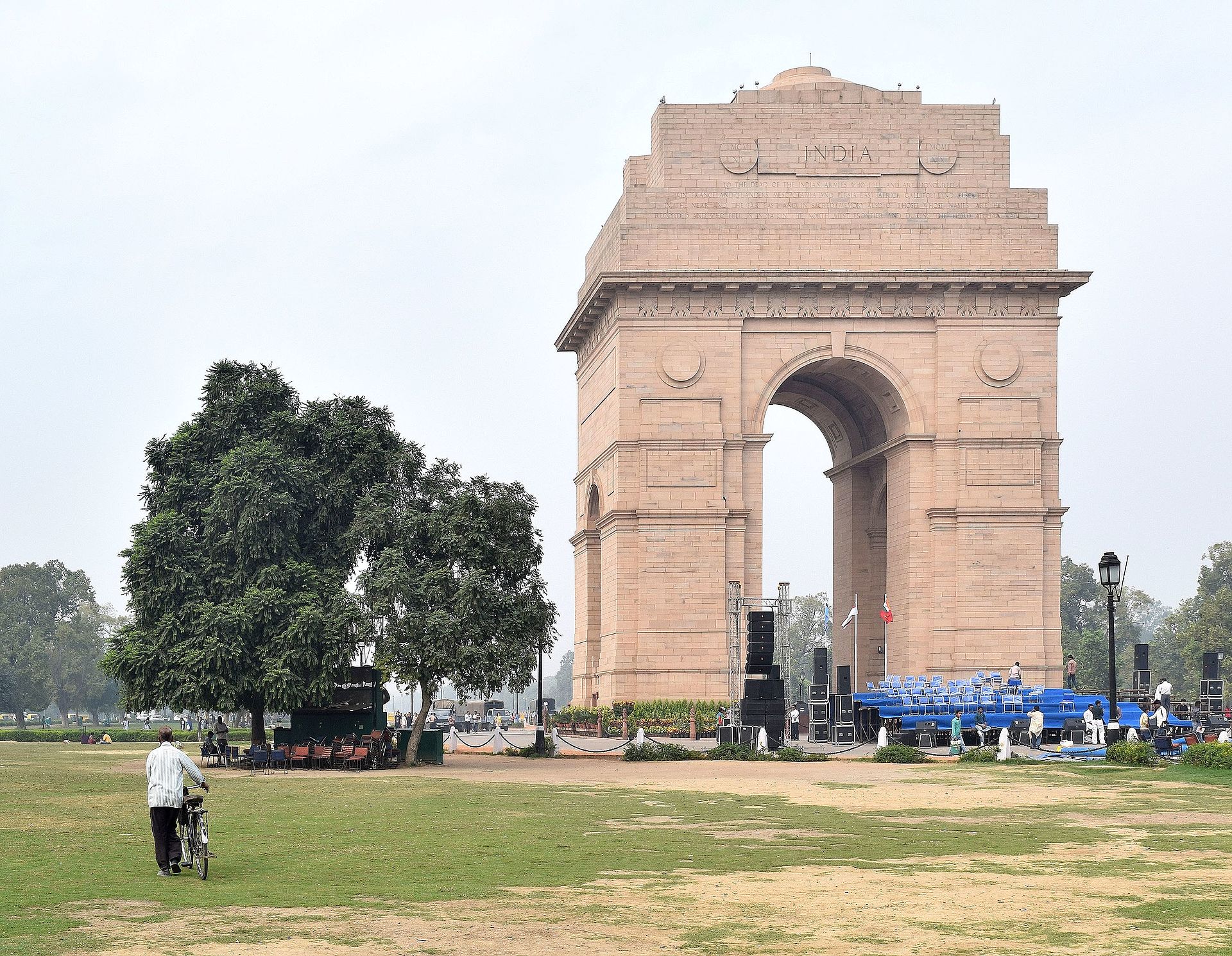
New Delhi was laid out to a British plan and has wide avenues and the India Gate. Humayun’s tomb is the architectural forerunner of the Taj Mahal and is quieter. Qutub Minar is the tallest brick minaret in the world.
Transport and safety in Delhi
The metro is the best transport in the city: air-conditioned, cheap and away from the traffic. The trains have a separate carriage for women. Taxi apps work and the price is shown in advance, while with an auto-rickshaw hailed in the street you should agree the price before you get in.
There are several classic scams. Do not believe anyone at the station who tells you the ticket office has moved, and do not go with a taxi driver who claims your hotel has closed. The official tourist office is inside the station only. Drink water only from a sealed bottle and avoid street juices.
Agra and Jaipur from Delhi
The Taj Mahal in Agra is two hours away by fast train and looks its best at sunrise; it is closed on Fridays. Jaipur is five hours away and is called the pink city, with the Amber Fort there. Together the three make up the Golden Triangle route and need five or six days.
Train tickets in India run out days ahead and the system is confusing. Comparing the routes on one screen and booking there simplifies this a great deal. Guided tours open up the history of the monuments and make a difference on a first trip; check the options in advance.
Food and prices
North Indian cooking is built on kebabs, tandoor bread and thick sauces. The Muslim community in Old Delhi is large, and halal restaurants are lined up in rows around the Jama Masjid. Vegetarian choice is plentiful everywhere.
A three-star hotel is 25–50 dollars and a mid-range international hotel 60–110. Choosing your hotel by the metro line matters here, because losing an hour in traffic is easy. Lunch in a restaurant is 3–8 dollars. Official information is on the Incredible India site.
When to come
October to March is the best period, with 15–28 degrees. April to June climbs to 45 and walking around is all but impossible. July to September is the monsoon season. In the November–January months air pollution in the city rises, so anyone sensitive should bring a mask.
A last word
Delhi wears out anyone who arrives unprepared, and opens one of the richest routes in the world to anyone who arrives prepared. Get around by metro, drink water only from a bottle, and reach the Taj Mahal at sunrise. For a visa and a route, fill in the application form.
Note: the prices in this article are those at the time of publication and may change with the season.
