Latvia is in the middle of the Baltic countries, and for us there is a practical reason: a Latvian visa centre operates in Baku and one visa lets you tour all three Baltic countries. Riga itself is a reason of its own. Europe’s largest collection of art nouveau architecture, a medieval old town and a market set up in zeppelin hangars are here. Thirty minutes away are Jūrmala beach and its sanatoriums, where our people have been going since Soviet times. In this article I have gathered Riga, Jūrmala, Sigulda and Rundāle. The transport, the food, the season and the budget are here too.
Latvia in brief
| Capital | Riga; a third of the population is here |
| Language | Latvian; Russian widespread, English among the young |
| Currency | Euro; cards everywhere |
| Visa | Schengen «C» visa, the Latvian visa centre in Baku |
| Best time | May–September; the Christmas market in December |
| Flights | 6–7 hours to Riga via Istanbul; seasonal airBaltic direct flights |
| Daily budget | 80–120 euros at a mid-range level |
Riga: the old town, art nouveau, the Central Market
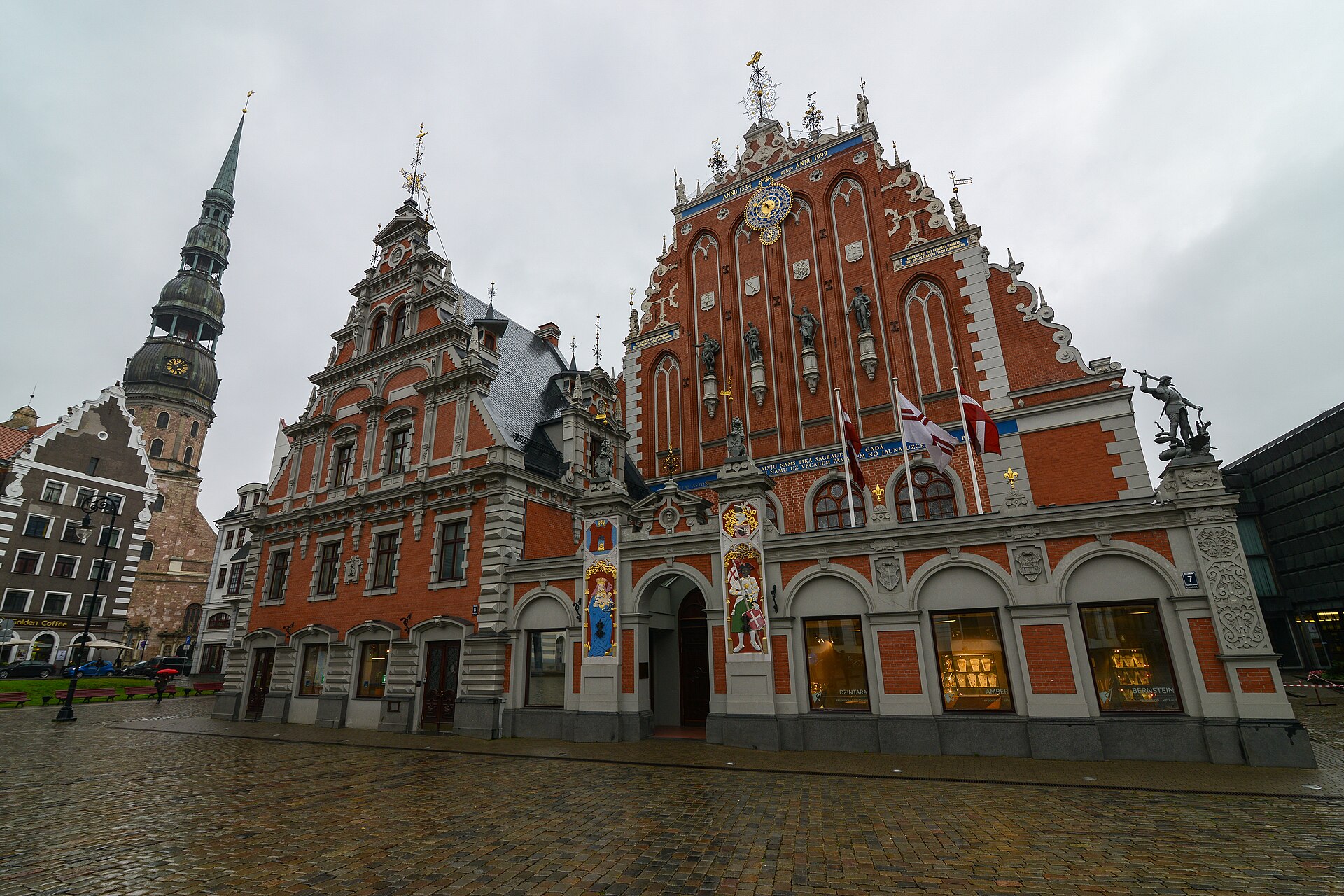
Riga’s old town is on the UNESCO list and is walked in two days. The House of the Blackheads and Town Hall Square are the centre of the old town. Organ concerts are given in the Dome cathedral. From the tower of St Peter’s church the city panorama opens. The «Three Brothers» houses, the Swedish Gate and the Cat House are nearby too, with a legend on every corner. Alberta street and the area around it are the densest art nouveau quarter in the world. There are more than eight hundred buildings, and Mikhail Eisenstein’s façades are the most famous. You walk around with your head tilted up and end up with a sore neck. The Art Nouveau Museum is right there as well.
The Central Market occupies five zeppelin hangars and is the largest market in Europe. Smoked fish, rye bread and berries are sold there. It is the cheapest place for lunch, and the locals eat there too. The bank of the Daugava, the Freedom Monument and the glass building of the National Library are the city’s new face. The wooden houses of the Kalnciema quarter and its Saturday market are a separate place to visit. The cafés of Miera street are Riga’s quiet side. Riga also has the liveliest night life in the Baltics.
Jūrmala, Sigulda, Rundāle: Latvia outside the capital
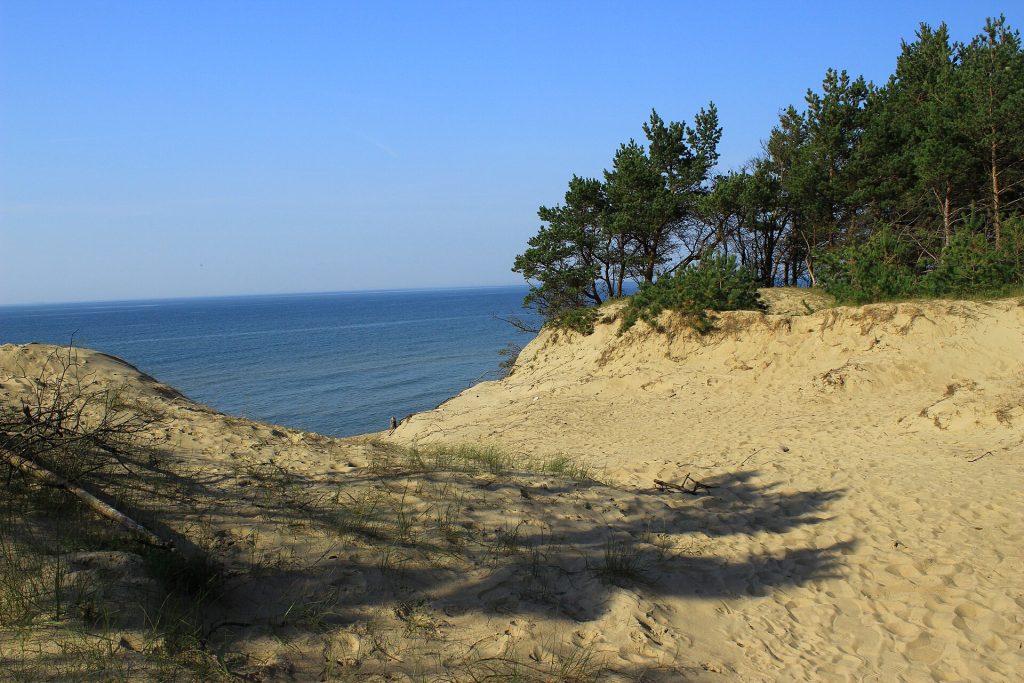
Jūrmala is thirty minutes from Riga by train and is the most famous resort in the Baltics. It has twenty-six kilometres of white sand beach and pine forest. The wooden villas, the Jomas pedestrian street and the Dzintari concert hall are the town’s symbols. The sanatoriums left from the Soviet period are still working. The Jaunķemeri and Belorussia sanatoriums treat joints, nerves and skin with sulphur water and mud. Full board is 60–120 euros a day. The spa hotels are the modern alternative. Ķemeri national park, with its boardwalk over the bog and its sulphur springs, is half a day.
Sigulda is in the Gauja valley and is called «Latvian Switzerland». The castles of Turaida, Sigulda and Krimulda are here, and on top of that a cable car and a bobsleigh track are in operation. In autumn the colours are at their most beautiful, and it is an hour from Riga by train.
Rundāle palace is an eighteenth-century baroque palace and garden, they call it «the Baltic Versailles», and it is an hour and a half from Riga.
If you have time left over, Cēsis with its medieval castle, Kuldīga with the widest waterfall in Europe, and Liepāja with its west coast beach and the Karosta military town make the list.
Transport in Latvia: trams, trains, Lux Express
In Riga the trams, trolleybuses and buses work with the Rīgas Satiksme app and the e-talons card. A single ride is 1.5 euros and a twenty-four-hour ticket five. From the airport to the centre bus number 22 takes thirty minutes. The main taxi app is Bolt, and a ride across town costs 4–7 euros.
You leave the city by train. To Jūrmala it is thirty minutes and 1.5 euros from the Central station, to Sigulda an hour and 2.5 euros, and to Rundāle you go on the Bauska bus.
The Lux Express and Ecolines buses take four and a half hours from Riga to Tallinn and four to Vilnius and cost 15–25 euros, with Wi-Fi and a screen in the cabin. These buses are the backbone of the whole Baltic route.
Car hire is needed for Kuldīga and Liepāja, costs 30–45 euros a day, and the roads are empty. Riga airport is the hub of the Baltics, and airBaltic flies cheaply from there to the whole of Europe.
Latvian food: rye bread, grey peas, Balsam
The dark rye bread «rupjmaize» is the basis of every table. Grey peas with smoked meat are the national dish, and sklandrausis is a Kurzeme pie filled with carrot and potato. Buy the smoked fish and sprats at the market, and in summer a cold beetroot soup is served.
Riga Black Balsam is a drink made from twenty-four herbs and a classic gift, while the taste is a matter of the person.
Lunch at the Central Market’s eating houses is 5–8 euros. The Lido self-service chain gives you Latvian home cooking for 8–12 euros, and an evening in a restaurant in the old town is 25–40, which is to say cheaper than Tallinn and Stockholm. Halal food is available in Riga’s Turkish, Uzbek and Middle Eastern restaurants, and the grey peas and the bread are meatless anyway. The tap water is drunk, and in summer the berries and mushrooms come straight from the forest to the market.
Read next: A Latvia visa: the visa centre in Baku and three Baltic countries on one visa
Season and weather
The summer is short and beautiful. From June to August the weather is 20–25 degrees, and in June the day lasts eighteen hours. The twenty-third and twenty-fourth of June are the Līgo and Jāņi festival, and the whole country goes off to the countryside, to a bonfire. Jūrmala fills up in July-August, but the sea never gets warmer than twenty degrees, and for someone used to the Caspian that is cool.
May and September pass quietly and cheaply, while Sigulda is at its most beautiful in autumn. October-November is grey and rainy.
In winter the temperature drops to minus 5–10 degrees and the weather is dark. Even so, Riga’s Christmas market is set up on Dome Square, and the Latvians claim on top of that that the first Christmas tree was decorated in 1510 in Riga itself. The sanatoriums get cheaper in winter. There is always wind in the Baltics, so take a jacket even in summer. Regional and event information is on the Latvia Travel portal.
Budget and tickets
In Riga’s old town a three-star hotel is 60–100 euros and outside the centre 45–70. A Jūrmala spa hotel is 90–150 euros and a sanatorium with treatment comes to 60–120. A hostel bed is 20–30 euros and can be found in the old town too.
The entry tickets are cheap. St Peter’s tower is nine euros, the Art Nouveau Museum nine, Turaida eight and Rundāle palace fifteen. Taking a day tour to Rundāle and Sigulda is the simplest way for those travelling without a car. Excluding the flight, a week-long trip fits into 600–900 euros per person, which is to say the cheapest in the whole Baltics.
Turkish Airlines flies to Riga via Istanbul, and airBaltic opens a direct Baku–Riga flight in some seasons. When looking for an air ticket to Riga, check the Vilnius and Tallinn options too, as it is four hours by bus from there. For those touring Riga, Tallinn and Vilnius on one route, three Baltic countries tour packages settle the intercity buses and the hotels together, and Riga is the centre of that route.
Frequently asked questions about Latvia
How many days does Latvia need?
Riga two or three days, Jūrmala one, Sigulda or Rundāle one — five days in all. For three Baltic countries, ten days.
Can you get by in Russian?
Yes; a third of Riga’s population is Russian-speaking and everyone in the service sector knows it. The young prefer English, and greeting people in Latvian shows respect.
What do you need for a sanatorium?
A booking in advance and a doctor’s examination on arrival; a course is usually seven to fourteen days. The Jūrmala sanatoriums, with their Russian-speaking staff, are comfortable for us.
In closing
With a visa centre in Baku, cheap prices, art nouveau architecture and the Jūrmala resort, Latvia is the most comfortable start to a Baltic route. The visa process is explained on the Latvia page, and to build the Riga and Baltic route together, fill in the application form.
Note: the prices here are as of the publication date and can change with the season.
