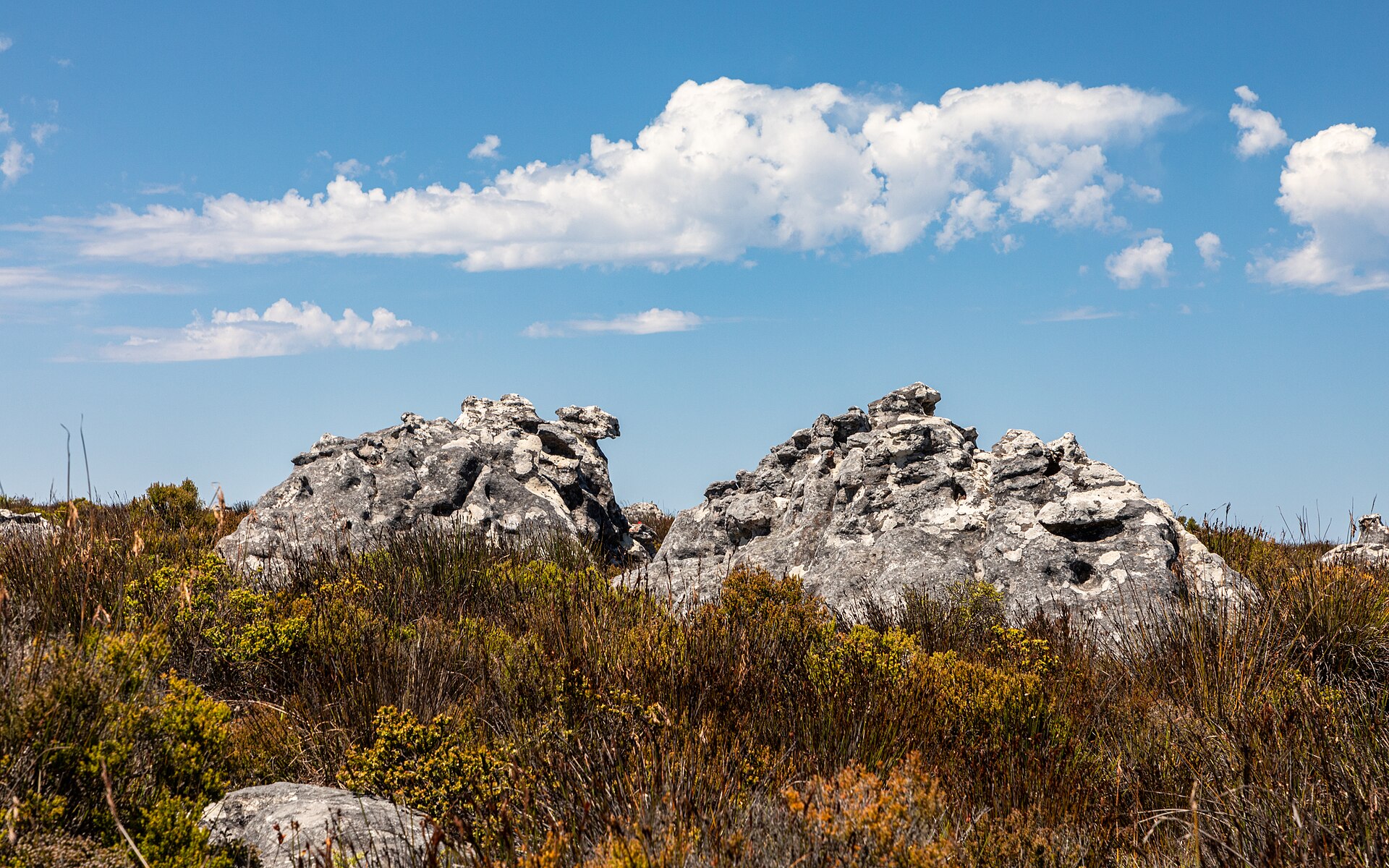
In Cape Town a thousand-metre mountain rises out of the middle of the city, and no other large city in the world has that. When the flat summit of Table Mountain is covered in cloud, the locals call it the tablecloth. The city is close to where two oceans meet, and the vineyards are half an hour away. Below I have written a five-day route and the safety rules.
Table Mountain and the city centre
The cable car takes you up Table Mountain in five minutes; the cabin rotates and you see every side. When the wind is strong the cable car is stopped, so go up on the first clear day and do not save it for later. There are walking trails too, the most popular being Platteklip, which takes two hours.
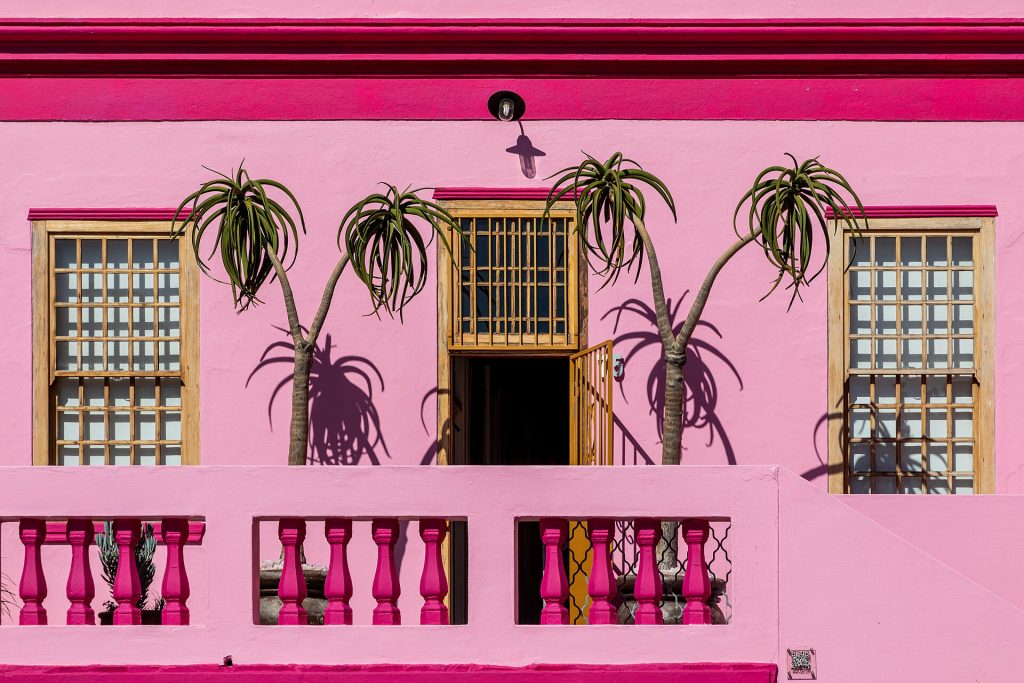
In the city centre the Bo-Kaap quarter is known for its coloured houses and is the heart of the Cape Malay community, with mosques and halal restaurants there. The V&A Waterfront is in the harbour and is the most comfortable and safest district for a visitor. The boat to Robben Island leaves from there; Mandela was imprisoned on it and the tour is led by former prisoners.
The Cape peninsula and the penguins
The Cape peninsula route needs a full day. The Chapman’s Peak road runs along the cliffs and is considered one of the finest coastal roads in the world. The Cape of Good Hope is inside the national park, where ostriches and baboons wander freely.
A colony of African penguins lives at Boulders beach and you can watch them from a wooden walkway a few metres away. The Kirstenbosch botanical garden is on the back slope of the mountain and is considered one of the loveliest botanical gardens in the world. Doing this route on a day tour is the most practical way for anyone arriving without a car.
Safety and transport in Cape Town
This has to be said plainly: the crime level is high and there are rules for visitors. Do not walk at night, do not hold your phone in your hand in the street, and do not display expensive items. By day the centre, the Waterfront and the coastal districts are fine.
Taxi apps work and are cheap, and are the right choice for moving around at night. The MyCiTi bus covers the centre and the coast. Car hire is comfortable, the roads are good and driving is on the left. From the airport to the centre, a transfer booked in advance is the safest option on flights landing at night.
Read more: A South Africa travel guide: Cape Town, a Kruger safari, the Garden Route and safety
Season and prices in Cape Town
The seasons are reversed. November to March is summer, with 25–30 degrees and dry weather; it is the best and also the most expensive period. April–May and September–October are balanced and cheap. June to August is winter and wet, but in return the whale watching season opens.
Prices are well below Europe’s. A four-star hotel is 80–150 dollars and a good dinner in a restaurant 15–25. The Waterfront and Camps Bay options are the most comfortable from a safety point of view. Official information is on the Cape Town Travel site.
Conclusion
Cape Town is a rare destination that gathers mountain, ocean and city in one place, and the condition is following the rules. Go up Table Mountain on the first clear day, give the peninsula a full day, and move by taxi at night. For a visa and a route, fill in the application form.
Note: the prices in this article are those at the time of publication and may change with the season.
