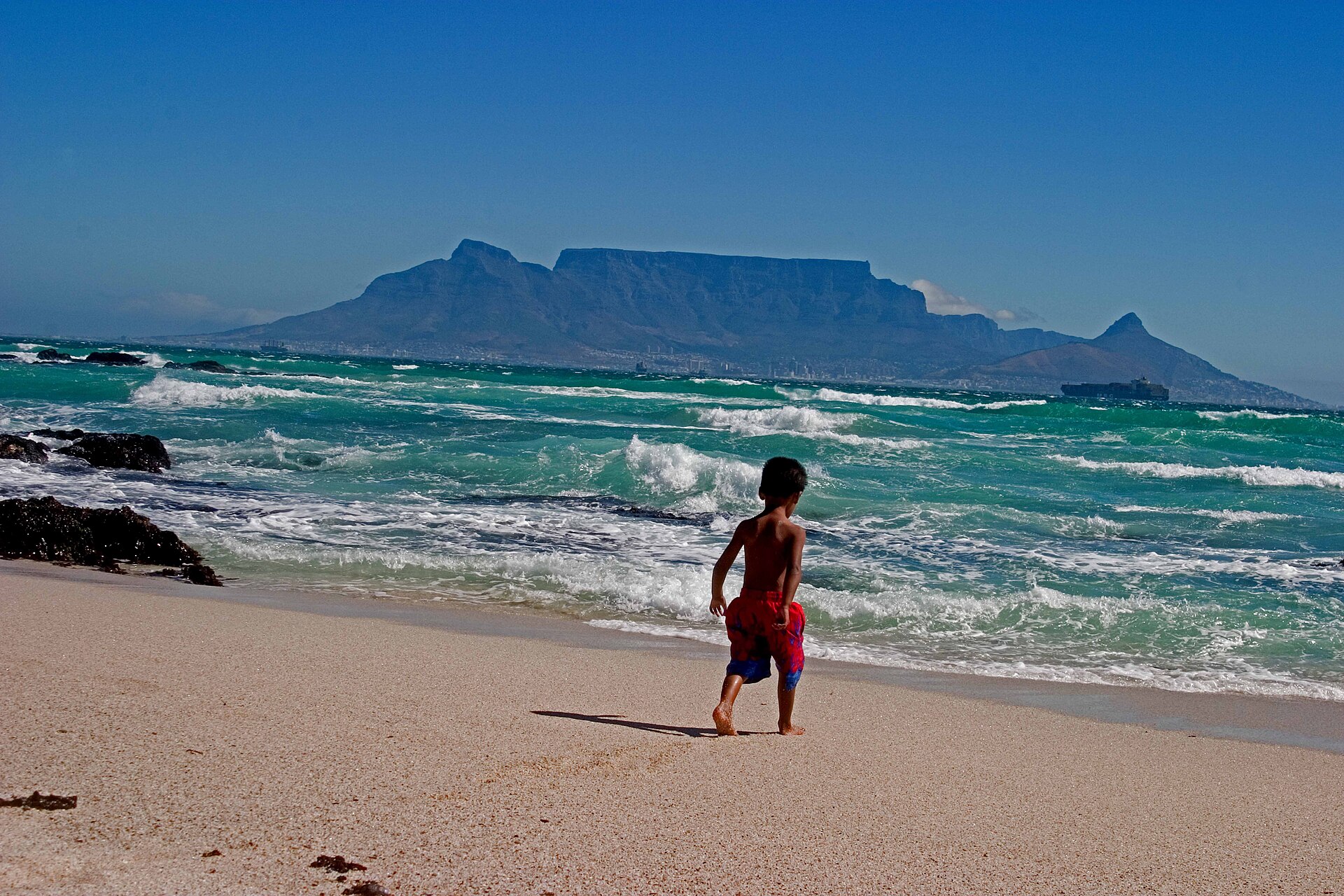
South Africa gives you two worlds in one trip. On one side stands Cape Town with its ocean and mountain scenery, on the other Kruger park with its elephants, lions and rhinos. For us the hard parts are getting the visa through Ankara and the long flight, but once you are there everything is simple: the roads are good, everyone speaks English and prices are lower than in Europe. What matters is building the route logically and knowing the safety rules. In this article I have gathered the cities, the safari and the driving routes. The food, the season and the budget are here too.
South Africa in brief
| Capital | Pretoria (administrative); the largest cities are Johannesburg and Cape Town |
| Language | 11 official languages; English works everywhere |
| Currency | Rand (ZAR); cards everywhere, cash for tips |
| Visa | Required; the application goes through the embassy in Ankara |
| Best time | May–September for safari, November–March for Cape Town |
| Flights | 14–16 hours via Doha, Dubai or Istanbul |
| Daily budget | 100–150 dollars at a mid-range level; safari separately |
Cape Town: the start of a South African trip
Cape Town is reckoned one of the world’s most beautiful cities, and when you get there you do not argue. You ride the cable car up Table Mountain. The V&A Waterfront is the city’s centre. Camps Bay and Clifton beaches are nearby. The Bo-Kaap quarter is known for its coloured houses. And you cross to Robben Island by ferry. Set aside four days. There are day trips out of the city too. For the Cape of Good Hope, the wine region and Hermanus, taking a guided day tour is the simplest option for anyone who would rather not drive. The Cape of Good Hope and the penguins of Boulders beach are the first route. Stellenbosch and Franschhoek are the wine region. From June to November you can watch whales at Hermanus — no boat needed, you just stand on the shore and look.
Johannesburg is a business and transit city; a day is enough for the Apartheid Museum and a Soweto tour, and Pretoria is nearby. Durban, on the Indian Ocean shore with its warm water and large Indian community, is an entirely different South Africa — save it for a second trip.
Safari: Kruger and the private reserves
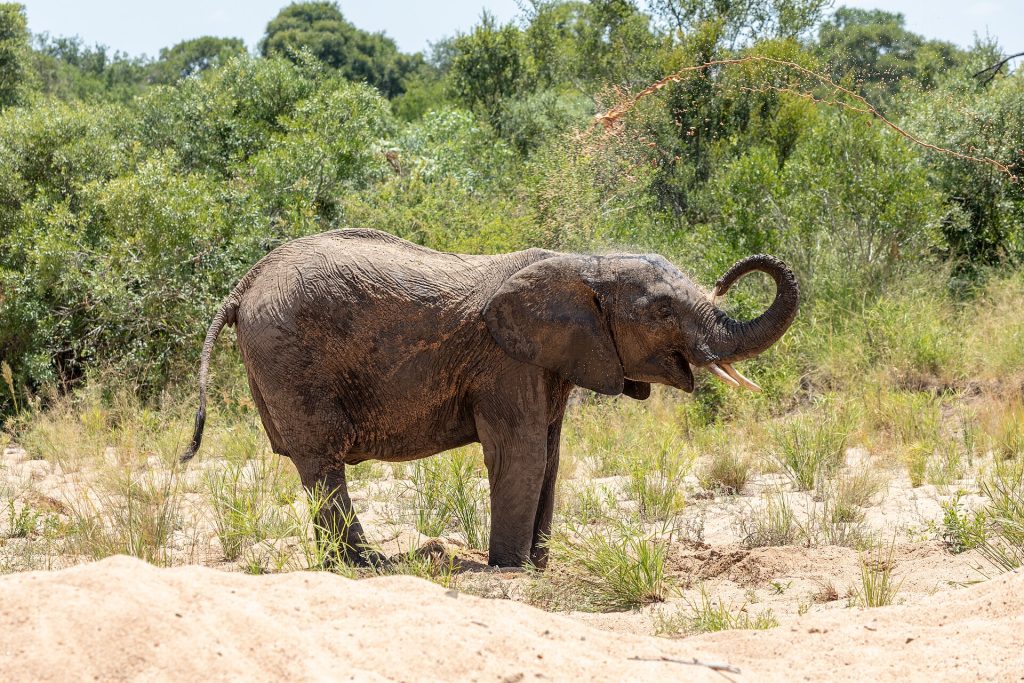
Kruger national park is the size of Belgium and is the most accessible place to see the «big five» — elephant, lion, rhino, buffalo and leopard.
It is toured two ways. The first is to stay in the state camps inside the park and drive yourself. That comes to 30–40 dollars a day, is cheap and free-ranging, and you get in the car at six in the morning and look for the animals yourself.
The second is a safari in an open jeep with a ranger in private reserves adjoining the park, such as Sabi Sands. It starts at 400 dollars a day, but the chance of seeing the animals is far higher.
From Johannesburg to Kruger is five hours by car and an hour by plane. There are small reserves near Cape Town too, but the real safari is in the north-east. Kruger is in a malaria zone; the risk is low in the dry season from May to September, but consult a doctor all the same.
Getting around South Africa: the car is the main means
This country is toured by car. The roads are good, fuel is cheap and hire is 25–40 dollars a day. Traffic is on the left, and alongside your Azerbaijani licence take an international one.
The Garden Route — the seven-hundred-and-fifty-kilometre coastal route from Cape Town to Port Elizabeth — with Knysna and Tsitsikamma is the most famous four or five-day drive.
Flights between cities are cheap: Cape Town to Johannesburg takes two hours and costs 60–100 dollars. Within the cities the main transport is Uber; public transport is not recommended for tourists, with Cape Town’s MyCiTi buses the exception. Here Uber is also a safety matter, and your phone must stay online, so land with an eSIM connected. In Johannesburg the Gautrain links the airport with the centre.
Safety rules in South Africa
This is what people calling from Baku ask about most, and the answer is simple: there are rules, and whoever follows them has no trouble. Do not walk at night, call an Uber. Lock the doors in the car, do not leave things in sight, and do not hold your phone at traffic lights. Do not go into central Johannesburg as a tourist; stay in the Sandton and Rosebank districts. In Cape Town the tourist areas are safe, but do not climb Table Mountain alone or in the evening. Do not drive the Kruger road at dusk, when animals come onto the road. Medical insurance is essential; the private clinics are excellent but expensive.
South African food: braai and Cape cooking
The braai is the South African barbecue and a genuine national ritual. Boerewors sausage, lamb and beef go onto the coals, and at the weekend the whole country is smoking. Biltong is a dried meat snack, eaten on the road.
Cape Malay cooking comes from the Bo-Kaap quarter and gives you spiced bobotie and samosas — and it is often halal. Cape Town and Durban have large Muslim communities, so finding a halal restaurant is no problem. In Durban the symbol of street food is bunny chow, curry poured into a loaf of bread.
Lunch on the Stellenbosch farms and Cape Town’s seafood restaurants are on a European level but twice as cheap, with a main course at 10–18 dollars. Tipping is 10–15 per cent.
Read next: South Africa visa: why you have to go to Ankara and how to plan it
Season and weather
This is the southern hemisphere and everything is reversed. December to February is summer. Cape Town is 26–30 degrees, dry and windy. That is the local holiday season and the most expensive period. June to August is winter: wet and 15 degrees in Cape Town, while in Kruger it is dry, the grass is low and the animals gather at the waterholes — the best time for a safari. The compromise is March–April and September–October, which suit both regions. Regional and park information is on the South African Tourism portal.
Budget and tickets
South Africa is cheaper than Europe. A good hotel in Cape Town is 80–150 dollars and guesthouses 50–80. A state camp in Kruger is 60–100 dollars, while a private lodge rises to 400–800. In Cape Town the choice of district is directly a safety matter, so choose the hotel by its location.
The sights are cheap: the Table Mountain cable car is 25 dollars and Robben Island 35. Excluding the flight, a two-week trip including safari fits into 2500–4000 dollars per person.
Qatar Airways, Emirates and Turkish Airlines fly to Johannesburg and Cape Town, and tickets to Cape Town are at their highest in December and January. South African safari tour packages combining Cape Town, the Garden Route and Kruger settle the domestic flight, the car and the lodge bookings together.
Frequently asked questions about South Africa
How many days does a trip to South Africa need?
Cape Town four days, the Garden Route three or four, safari three. Twelve to fourteen days is the ideal plan.
Can you go on safari with children?
Yes, Kruger’s state camps are comfortable for families. Many private lodges, however, do not take children under six or twelve, so ask in advance.
Is a yellow fever vaccination needed?
Not for those arriving from Baku via Doha or Dubai; it is required only of people coming from a yellow fever zone. Discuss malaria prophylaxis for Kruger with a doctor.
In closing
South Africa gives you a city, an ocean and a safari in one trip. It is cheaper than Europe and its roads are easy. For anyone who knows the safety rules it is the trip of a lifetime. The visa process is explained on the South Africa page, and to plan the route and the safari together, fill in the application form.
Note: the prices here are as of the publication date and can change with the season.
