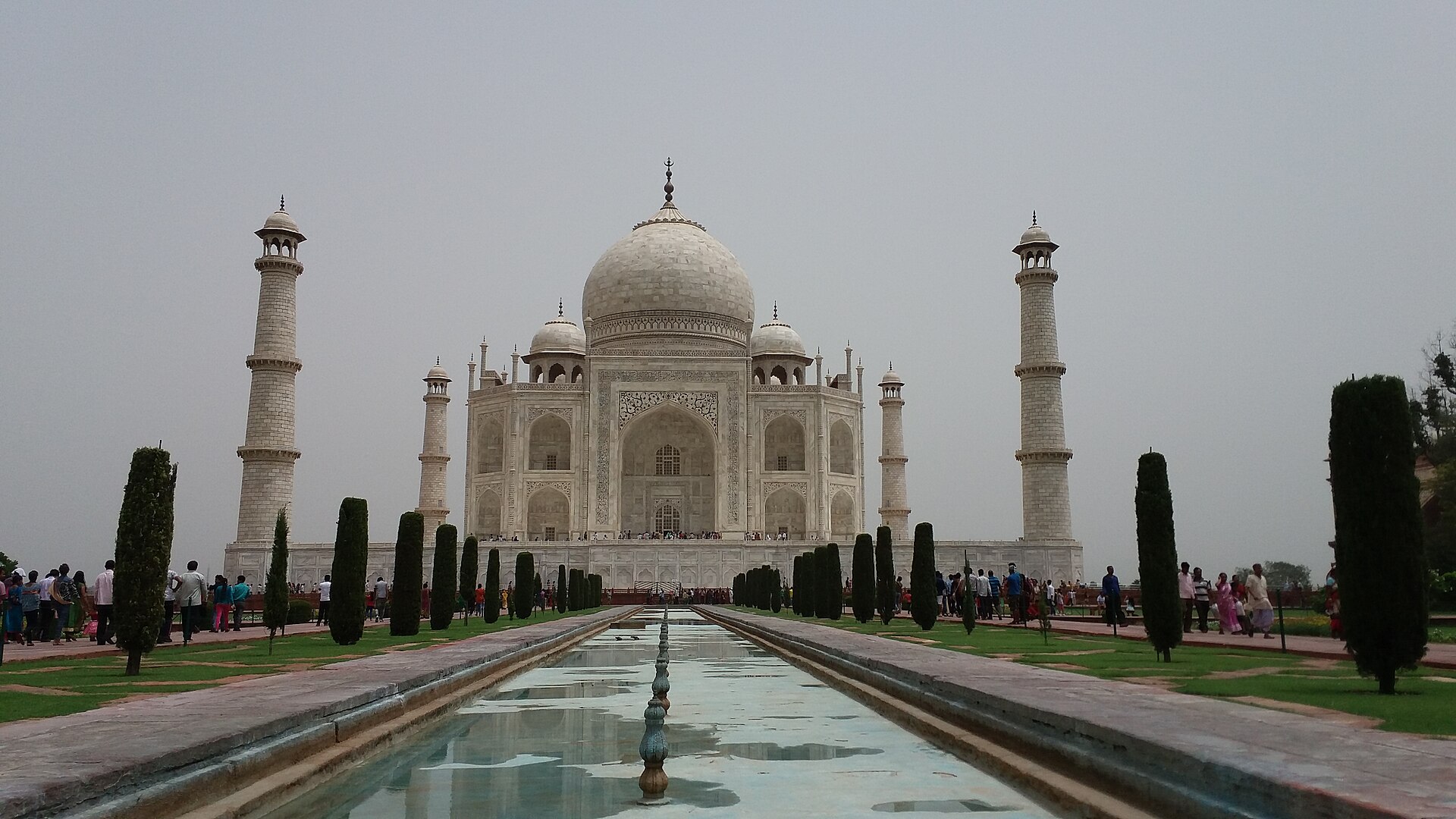
India is not a country, it is a continent. The marble of the Taj Mahal, the beaches of Goa, the ayurveda clinics of Kerala, the desert forts of Rajasthan and the Himalayas are all seen on one passport stamp.
For us the e-Visa comes through in a few days, and the prices are among the world’s cheapest. Even so, a first trip wants preparation. You have to buy train tickets months ahead, keep to the water rule, pick the season correctly and protect yourself from scams. Below I have gathered the route, the transport and the ayurveda, along with the food, the season, safety and the budget.
India in brief
| Capital | New Delhi; the largest city is Mumbai |
| Language | Hindi and 21 official languages; English works everywhere |
| Currency | Rupee (INR), 1 dollar ≈ 85 rupees; UPI payment everywhere, cash and card for the tourist |
| Visa | e-Visa online, with 30-day, 1-year and 5-year options |
| Best time | October–March; June–September the monsoon |
| Flights | 7–9 hours via Doha, Dubai or Sharjah |
| Daily budget | 40–70 dollars at a mid-range level |
India’s Golden Triangle: Delhi, Agra, Jaipur
The classic route for a first trip is the six- or seven-day «Golden Triangle», and it is not called classic for nothing. Delhi is really two cities. Old Delhi has the Jama Masjid, the Red Fort and the Chandni Chowk bazaar, and there a person goes back four centuries in an hour. New Delhi, meanwhile, holds Humayun’s tomb, the Qutb Minar and the Lotus Temple. Set aside two days. You go to Agra for the Taj Mahal. Go at sunrise, when the marble turns from pink to white. It is closed on Friday, and the ticket for foreigners is 1300 rupees. Agra Fort is next to it. From Delhi the fast train takes two hours.
Jaipur is called the «pink city» and is the capital of Rajasthan. The honeycomb façade of the Hawa Mahal, Amber Fort and the City Palace are there, and the journey from Delhi takes four and a half hours.
For those wanting to carry on in Rajasthan there are the lake palaces of Udaipur, the blue houses of Jodhpur and the desert fort of Jaisalmer.
Varanasi, on the bank of the Ganges, is India’s oldest and most affecting city. The Ganga aarti ceremony is held every evening, and whoever goes there understands this country in an entirely different way.
Goa, Kerala and ayurveda
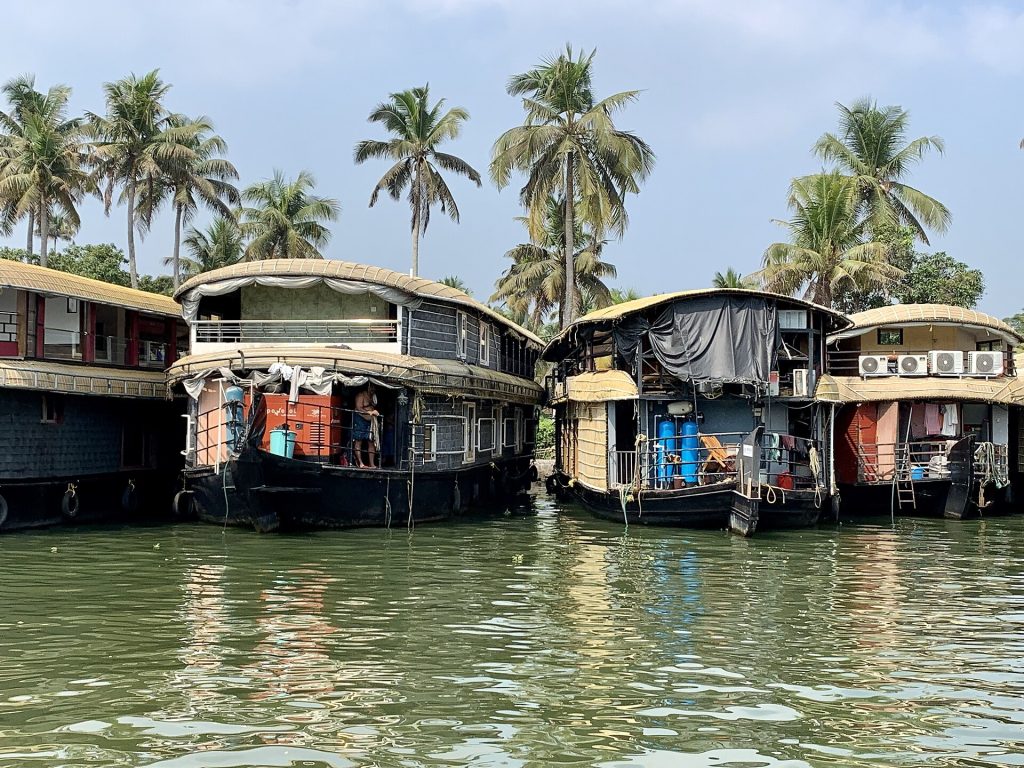
From November to March Goa is India’s beach capital. In the north, Baga and Anjuna mean night life. In the south, Palolem and Agonda are quiet coves. The Portuguese churches and the spice plantations are worth seeing too. Thirty to fifty dollars a day is enough for a week. Kerala is called «God’s own country». On the Alleppey backwaters you spend the night on a houseboat. Munnar has tea plantations and Kochi a historic port. Varkala, meanwhile, is a beach town.
Kerala is at the same time the homeland of ayurveda, and most of those going from Baku for treatment go precisely there. Certified clinics run panchakarma courses of seven, fourteen or twenty-one days, and the programme includes oil massages, a diet and yoga. The daily price is 80–200 dollars, and that covers accommodation and treatment too.
There is one subtlety. The monsoon season from June to September is traditionally considered the best time for ayurveda, because the body becomes more receptive, and prices in those months drop.
Rishikesh at the foot of the Himalayas is the yoga capital. Mumbai, meanwhile, takes two days with Bollywood, the Gateway of India and its street food.
Transport inside India: trains, flights, rickshaws
The Indian railway is among the largest in the world and for a tourist it is not just transport but an experience in itself.
Tickets open sixty days ahead on the IRCTC site and with intermediaries such as 12Go and Cleartrip, and the popular routes sell out fast — whoever is late travels standing. The classes go like this: 1A and 2A are air-conditioned compartments, 3A is three-tier, and Sleeper is without air conditioning and very cheap. The fast daytime Vande Bharat and Shatabdi trains are ideal for short journeys like Delhi–Agra, and buying the ticket online is easier than wrestling with the local system.
Domestic flights with IndiGo, Air India and Akasa are cheap; Delhi to Goa takes two and a half hours and costs 50–90 dollars.
Inside the cities Uber and Ola taxis work, while the price of an auto-rickshaw should be agreed before you get in, and the Delhi metro is clean and cheap. A car is taken with a driver and costs 40–60 dollars a day; driving yourself should not even cross your mind.
Food, halal and the water rule
Northern cooking is built on wheat and creamy sauces, and there they serve naan, dal, paneer, tandoori chicken and biryani. The south is rice and coconut and is known for dosa, idli and Kerala fish curry.
A thali is six to eight small dishes on one plate and is the cheapest lunch, coming to 2–4 dollars, and when it runs out they refill it.
Vegetarian food is the basis everywhere. Halal meat is easy to find in regions with a large Muslim community such as Delhi, Hyderabad, Lucknow and Kerala, and Hyderabad biryani is the most famous in the country.
Take the water rule seriously. Drink only bottled water and order drinks without ice. Peel fruit before eating it, and choose food that is hot and freshly cooked. Street food is relatively safe in crowded places with fast turnover; do not eat from an empty stall. «Delhi belly» is normal in the first days, so take the medicine with you from Baku. Masala chai is 10–20 rupees on every corner and is the best medicine.
Read next: An Indian visa online: the e-Visa fees, the entry airports and the intermediary trap
Season and safety in India
October to March is the ideal season for most of the country, 20–30 degrees, with foggy, cool mornings in Delhi in December and January. April–June is 40–45 degrees hot and only the Himalayan regions are comfortable. From June to September the monsoon rains move from south to north, Goa closes, Kerala is open for ayurveda and greenery, and Ladakh is visited in exactly those months. Diwali in October-November and Holi in March are the biggest festivals; do not wear white at Holi.
As for safety, street crime is low and the main risk is being scammed. Do not believe agencies presenting themselves as an «official tourism office». The taxi driver’s story that «your hotel has closed» and fake ticket sellers are classic scams too. Smile and carry on your way. Women are advised not to walk alone at night and to dress covered. Regional and festival information is on the Incredible India portal.
Budget and tickets
A three-star hotel in Delhi and Jaipur costs 30–50 dollars, while former maharaja palace hotels rise to 150–300. A guest house in Goa is 20–40 dollars, and an ayurveda resort in Kerala 100–200 a day. At the palace hotels the price doubles with the season, so compare the dates.
Entry tickets are cheap. The Taj Mahal is 15 dollars, Amber Fort 6, and a night on a houseboat 80–150. Excluding the flight, a two-week trip fits into 800–1300 dollars per person, and that is one of the cheapest big journeys in Asia.
From Baku, Qatar Airways, Emirates and Air Arabia fly to Delhi, Mumbai and Kochi. Flights to Delhi get dearer from October to December. India tour packages combining the Golden Triangle and Kerala settle the train and domestic flight bookings, the driver and the guide together, and for a first trip that is the easiest way.
Frequently asked questions about India
How many days does a trip to India need?
The Golden Triangle is six or seven days. With Goa or Kerala, twelve to fourteen days, and an ayurveda course a further seven to fourteen.
Are vaccinations needed?
There are no compulsory vaccinations. Hepatitis A and typhoid vaccinations are recommended, and malaria prophylaxis is discussed with a doctor according to the region.
Cash or card?
Card in hotels and restaurants, cash in the bazaar, in rickshaws and in small shops. There are ATMs everywhere; a 500-rupee note is hard to get changed, so keep small money.
In closing
India is a country that gives you an e-Visa, cheap prices and the world’s richest culture in one trip, and for the person who buys the train ticket early, keeps to the water rule and picks the season correctly it becomes unforgettable. The visa process is explained on the India page, and to build the Golden Triangle or the ayurveda plan together, fill in the application form.
Note: the prices here are as of the publication date and can change with the season.
