Most people work out a travel budget like this: how much is the flight, how much is the hotel, and that is that. Then they come back and see that twice as much has left the card as they expected. The reason is simple: the real cost is in the part between the flight and the hotel, and that is exactly the part nobody counts. Below I show how to divide the budget into five lines and write it with real figures.
Divide the travel budget into five lines
Open five lines on a sheet of paper. Transport and accommodation are the first two, and on the third you write the daily costs. The fourth line is for museums and entrance tickets, and on the fifth you set aside the reserve. By transport is meant not only the ticket but getting to the airport, the transfer and city transport. Accommodation is multiplied by the number of nights and the tourist tax is added on top, because in Europe it is charged separately.
The daily costs are the line most often calculated wrongly. A person eats three times a day, buys coffee twice and picks up a souvenir once, and the total comes out larger than expected. The entrance tickets have to be written separately, because if one museum is twenty euros, four museums are eighty. The reserve is fifteen per cent of the total and you do not touch it.
What each city costs
| Cheap | Tbilisi, Chisinau, Tirana, Belgrade: 30–50 euros a day |
| Middling | Prague, Budapest, Warsaw, Istanbul: 50–80 euros a day |
| Expensive | Rome, Barcelona, Berlin, Vienna: 80–130 euros a day |
| Very expensive | London, Paris, Amsterdam, Zurich: 130–220 euros a day |
These figures exclude the flight and are for one person with mid-range accommodation. When two people travel the accommodation gets cheaper per head, while the food does not. Counting for a family, entrance tickets for children are often half price and free at some museums.
What wrecks a travel budget most
The first reason is the airport taxi. On a flight landing at night a person is tired, does not look at the meter, and getting to the centre costs as much as a day’s food. The second reason is the restaurants on the tourist squares, where the same meal is twice the price of one two streets away.
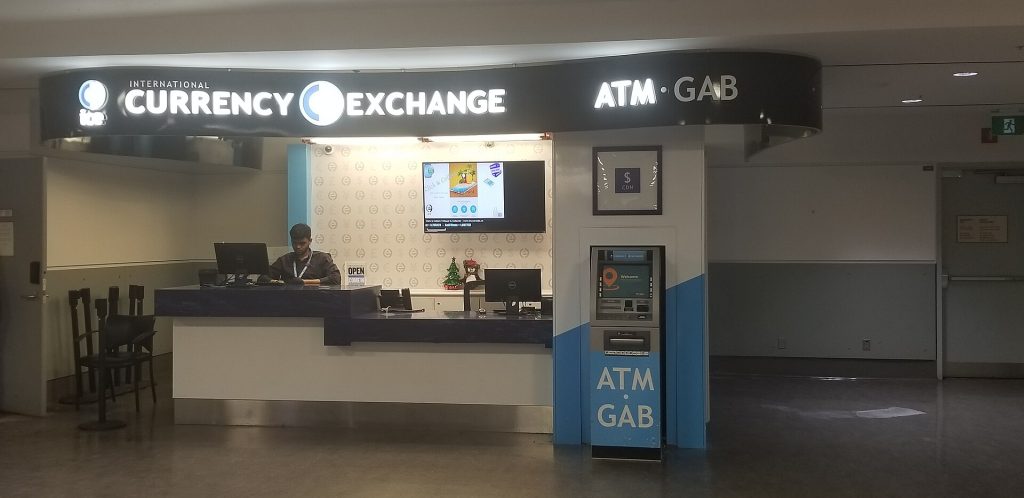
The third reason is the rate the ATM offers. When the words “pay in your own currency” appear on the screen, always choose the local currency, otherwise the ATM’s own rate is applied and it is always bad. The fourth reason is tickets not bought in advance, because at the ticket office the price is above the online one.
Read more: A Schengen countries travel guide: 29 countries on one visa, choosing a route, trains and budget
Ways to bring the travel budget down
Shifting the date by a day or two often gives the biggest saving, because a flight leaving on Tuesday is cheaper than a Friday one. Comparing air ticket prices across several dates and finding the best value day is a minute’s work, but it makes a difference of up to a hundred euros.
Choosing a hotel one metro stop outside the centre saves twenty to thirty euros a night. A flat with a kitchen is better value for a family, because breakfast is made at home. Comparing hotel and flat options side by side shows that difference immediately. On transport, meanwhile, a day or week pass almost always comes out cheaper than single tickets.
How to keep the budget under control
Set a daily limit before the trip and write that day’s spending into the notes app on your phone every evening before bed. It takes a minute and after the third day it keeps you in check by itself. Dividing the cash by days and putting it in separate envelopes is an old method, but it still works.
When you pay by card, keep the bank notifications switched on. The conversion commission abroad reaches two per cent with some cards, so ask your bank that figure before the trip. Official exchange rates are published on the Central Bank site.
A short conclusion
A travel budget is not the sum of the flight and the hotel but a calculation of five lines, and the biggest line is often the daily costs. Set aside the reserve, play with the dates, settle the airport transfer in advance. To build the route and the visa process together, fill in the application form.
Note: the prices in this article apply to the date of publication and can change with the season.
