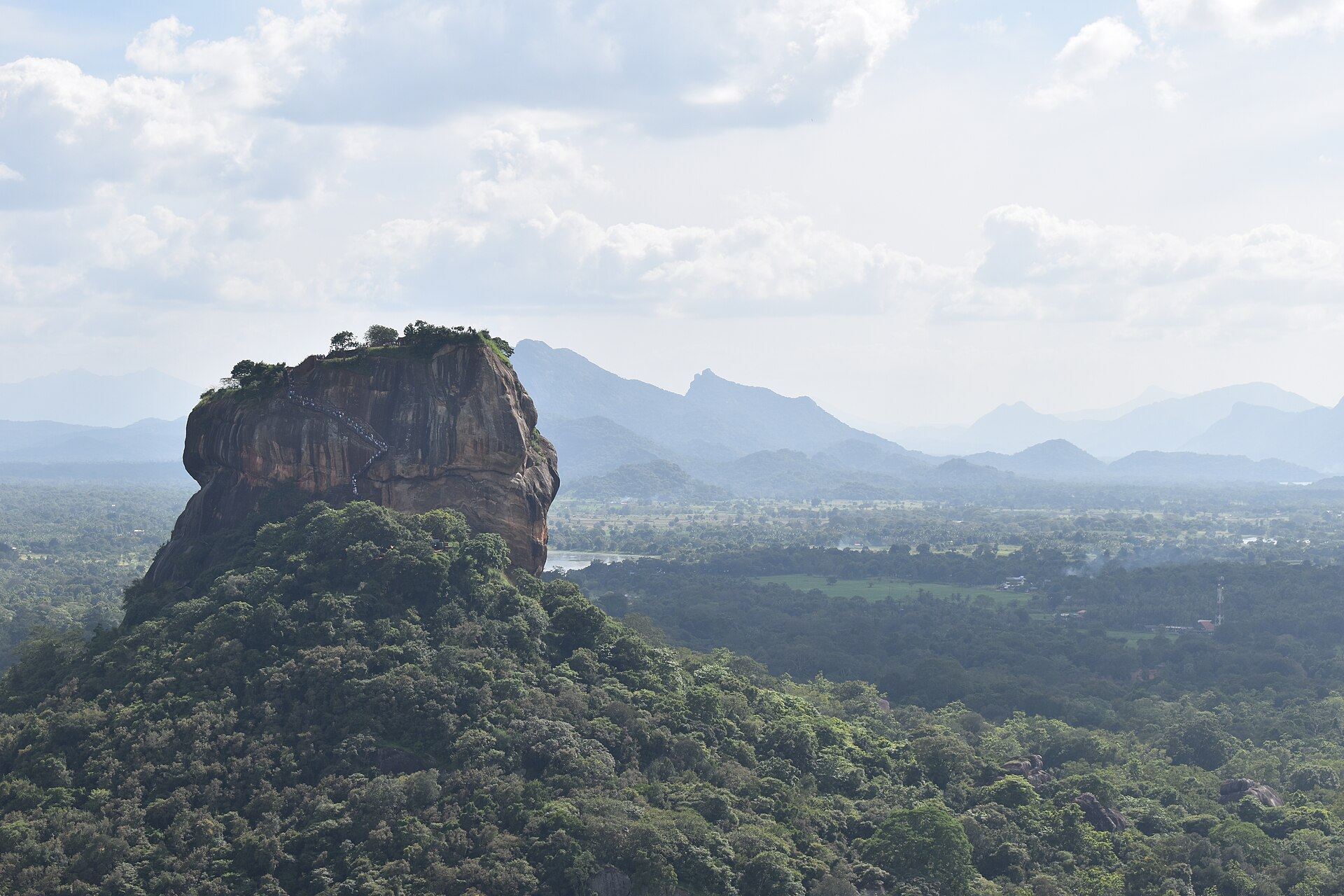
Sri Lanka gives you a whole continent on a small island in the Indian Ocean. The two-thousand-year-old rock fortress of Sigiriya, the world’s most beautiful railway line running through tea plantations, a leopard safari, the Portuguese fort of Galle and blue whales are gathered in one place. Add the surf beaches and the ayurveda resorts on top of that.
For us the ETA is obtained online, the flight via Doha and Dubai is comfortable, prices are low and halal food is easy to find. The island’s main secret is its two monsoon seasons, because one coast always stays dry, and anyone who picks the right side never runs into rain. Below I have gathered the route, the train, the safari, the coasts, ayurveda, transport, the food, the season and the budget in one place.
Sri Lanka in brief
| Capital | Colombo; the official capital is Sri Jayawardenepura Kotte |
| Language | Sinhala and Tamil; English everywhere in tourism |
| Currency | Rupee (LKR), 1 dollar ≈ 300 rupees; cash is the basis, cards in hotels and big restaurants |
| Visa | ETA online, 50 dollars, 30 days, from the official portal |
| Best time | West and south December–April; east May–September |
| Flight | 9–11 hours via Doha, Dubai or Sharjah |
| Daily budget | 50–80 dollars at a mid-range level |
The cultural triangle: Sigiriya, Dambulla, Kandy
The classic route starts in Colombo, goes clockwise and takes ten to twelve days.
Sigiriya is a royal palace from the fifth century on top of a two-hundred-metre rock. The Lion Gate, the frescoes and the Mirror Wall are along the twelve hundred steps climbing up, and entry is 35 dollars. Set off at seven in the morning, because by midday the heat makes it impossible to move. Looking across at Sigiriya itself from the facing Pidurangala rock is both cheaper and, to my mind, the finer alternative.
The Dambulla cave temple holds a hundred and fifty Buddha statues. Polonnaruwa and Anuradhapura are ancient capitals and are toured by bicycle. In Minneriya park, meanwhile, hundreds of elephants gather in one place in August and September.
Kandy is the last royal capital, set in the mountains. There is an evening ceremony at the Temple of the Tooth of the Buddha, while a walk around the lake and the Peradeniya botanical garden fill the rest of the day. In July and August the Esala Perahera elephant parade takes place here. Set aside two days.
The train from Kandy to Ella takes seven hours and passes tea plantations, waterfalls and misty mountains, and it counts as the most scenic railway line in the world. Buy the ticket thirty days ahead for a window seat; unreserved second class costs just three dollars.
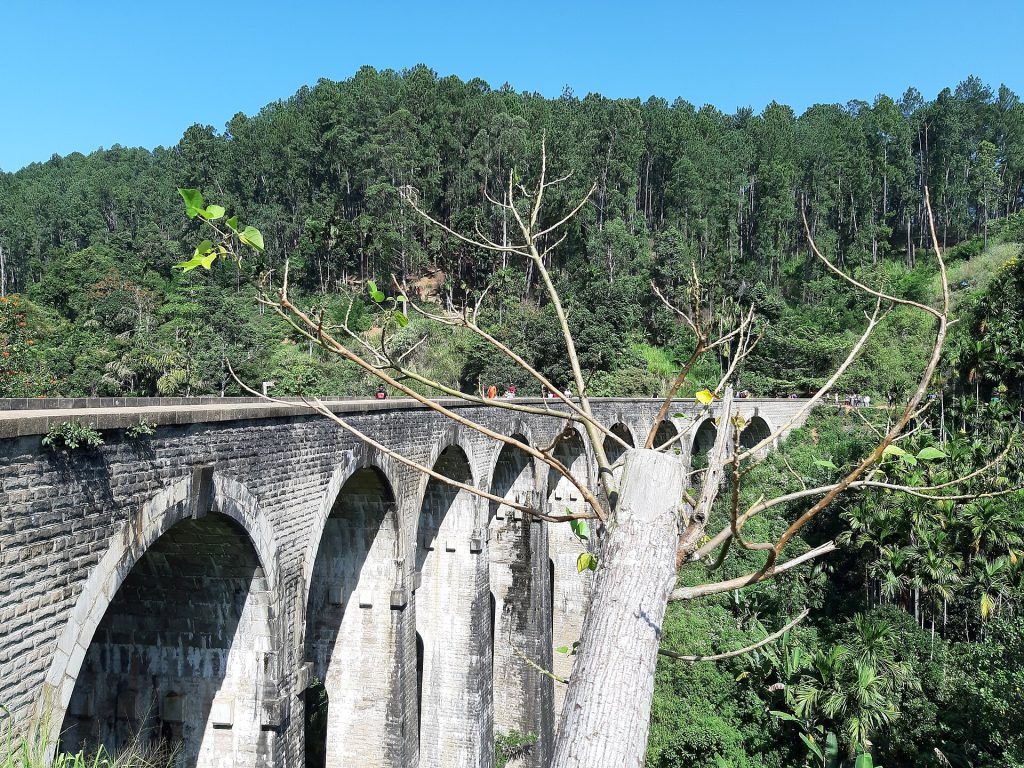
There are two stops on the way. Nuwara Eliya, with its tea factories, is called “little England”, while Ella is a walking village with the Nine Arches Bridge and Little Adam’s Peak.
Yala, Galle, Mirissa, Arugam Bay: Sri Lanka’s coasts and safari
Yala national park has the highest density of leopards in the world. A morning safari by jeep costs 40–60 dollars, and along the way you meet elephants, crocodiles, bears and leopards, while the park closes in September and October. Udawalawe elephant park and Wilpattu in the north are quieter options.
The southern coast’s season runs from December to April. Galle is a seventeenth-century Dutch fort on the UNESCO list; you watch the sunset from the walls, and inside there are boutique hotels and cafés. The beaches of Unawatuna and Hikkaduwa are nearby.
In Mirissa blue whale tours run from November to April and cost 50 dollars, and the famous coconut hill is there too. Tangalle, meanwhile, means quiet coves.
Bentota and Beruwala are ayurveda resorts. Panchakarma courses of seven to twenty-one days come to 100–200 dollars a day with full board, and the island’s strongest healing tradition is right there.
The east coast’s season runs from May to September. Arugam Bay is among the best surf spots in Asia, Trincomalee and Nilaveli have white beaches, and at Pigeon Island you snorkel.
Adam’s Peak, at two thousand two hundred and forty-three metres, is a mountain held sacred by four religions; from December to May people climb it on a night hike and watch the sunrise. Colombo is the gateway and takes half a day with the Galle Face promenade and the Pettah market.
Transport: trains, tuk-tuks and a driver
The trains are cheap and scenic. Colombo to Kandy takes three hours and costs two dollars, Kandy to Ella seven hours, and Colombo to Galle along the coastal line two and a half. Buy the first-class observation carriage in advance from the 12go site. Riding in second and third class hanging out of the door, meanwhile, is the local experience.
Buses go everywhere for a dollar and are crowded and fast. A tuk-tuk is 1–3 dollars within a city, the PickMe app shows the price in advance, and in Colombo Uber works too.
The most comfortable option is a car with a driver. Including fuel it costs 60–80 dollars a day, the driver stays at a guesthouse along the way, and split between four people it works out cheap on a week’s circular route. For a first trip this is exactly what I recommend. Scooter rental is possible in Ella and on the coast, but a local permit is needed. The roads are narrow, the driving style chaotic, and you should avoid travelling at night.
Rice and curry, hoppers, kottu: Sri Lankan food and halal
Rice and curry is the national dish. On one plate come five to eight small curries, dal, coconut sambol and papadam, they ask in advance how spicy you want it, and the price is 2–4 dollars.
Hoppers are bowl-shaped rice pancakes served with an egg for breakfast, and string hoppers are nests of noodles. Kottu is made from roti chopped in a wok with vegetables and meat and is the most famous street food. On the coast crab curry is cooked, lamprais is left over from the Dutch heritage and is served in a banana leaf, and watalappam is a coconut pudding.
Ceylon tea is everywhere, king coconut sells for fifty cents, and in season the mangoes come. Halal food is easy to find, because the Muslim community makes up ten per cent of the population. Colombo, Kandy, Galle and the east coast are full of restaurants with a “halal” sign, and the eateries called “Muslim hotels” are both cheap and halal.
On water, drink only bottled, while ice is safe in the tourist places. Lunch at a restaurant is 3–6 dollars and at a resort restaurant 15–25.
Read next: A Sri Lanka visa: the 50-dollar ETA, the official portal and the middleman trap
Two monsoons: the Sri Lankan season
The island is divided between two monsoons and one side of it stays dry all year.
December to April is the time of the west and south coasts. Galle, Mirissa, Bentota and the cultural triangle are at their best in those months, the weather is 28–32 degrees, and December and January are the busiest and most expensive period.
From May to September the east coast dries out, which means Arugam Bay and Trincomalee take their turn. In the south it rains in those months, but the downpours are short. Kandy and Ella can be visited all year; in the mountains the temperature stays at 15–20 degrees and mist comes down. October and November fall between the monsoons, rain is possible everywhere and prices are at their lowest.
Look at the holidays as well. Sinhala New Year falls in mid-April, Vesak is marked with lanterns in May, and the Kandy Perahera is in July and August. Regional and festival information is on the Sri Lanka Travel portal.
Budget and tickets
A guesthouse is 20–40 dollars and a boutique hotel 60–120. In Galle fort a boutique hotel climbs to 100–200 dollars and a coastal resort to 120–250, while in Ella a hotel with a mountain view is 40–80. An ayurveda resort with treatment comes to 120–200 dollars, so compare the prices, because the difference doubles with the season.
The sights are cheap. Sigiriya is 35 dollars, the Temple of the Tooth 8, and the Ella train 3–12. The Yala safari and the Mirissa whale tour start at 50 dollars, and both need booking in advance, because the morning places fill up fast. Leaving out the flight, a ten-day circular trip with a driver fits into 900–1400 dollars a head.
Qatar Airways, Emirates and flydubai fly to Colombo; air tickets to Colombo get dearer in the New Year and Novruz weeks, and the cheapest months are May and October. For those touring Sigiriya, Kandy, the Ella train, Yala and Galle on one itinerary, Sri Lanka tour packages settle the driver, the train tickets and the safari together. Combining it with the Maldives is possible too, because the flight is only an hour and a half.
Frequently asked questions about Sri Lanka
How many days do you need for a Sri Lanka trip?
Three days for the cultural triangle, three for Kandy and Ella, one for Yala, three or four for the southern coast: ten to twelve in all. For the coast and ayurveda alone, one week.
I cannot find a ticket for the Ella train, what do I do?
Unreserved second or third class tickets are always available at the station. Instead of Kandy, board at Nanu Oya for the finest three-hour stretch to Ella, where most of the seats free up.
Which route with a child?
Bentota beach and the turtle farms are ideal for children. The Pinnawala elephant orphanage and the Udawalawe elephant safari are on the list too. A short stretch of the Ella train and the whales of Mirissa round the trip off. The steps of Sigiriya are comfortable with a child over six.
In closing
Sri Lanka is a country you travel on an online ETA and at low prices. On a small island it gives you history, mountains, safari and the ocean together. For someone who picks the right monsoon side and travels with a driver, ten days make a complete trip. The ETA rules are explained on the Sri Lanka page, and to build the circular route or the ayurveda plan together fill in the application form.
Note: the prices here are as of the publication date and can change with the season.
