Sofia is one of the cheapest capitals in Europe and the flight from Baku is short. The city does not present itself in a hurry, and its real value is in its layers. Roman walls remain in a metro underpass, an Ottoman mosque stands next to the cathedral, and the buildings of the Soviet period occupy the middle of the centre. Two days are enough for the city, and a third has to be given to the mountain. Below I have written how to divide those three days.
The centre and the square of places of worship
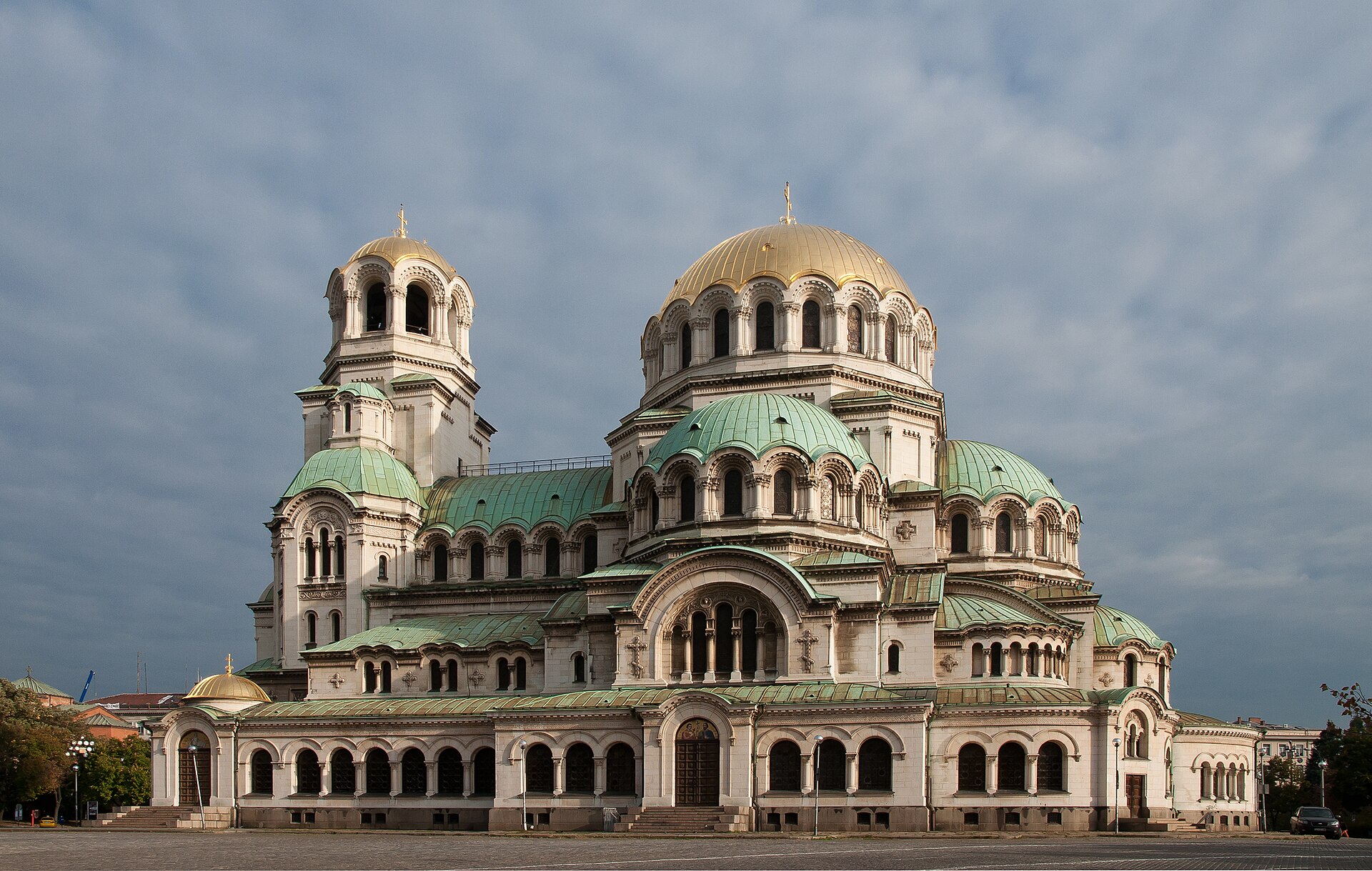
The Alexander Nevsky cathedral is the obvious symbol of the city and its golden domes are visible from far off. Going inside is free, while the icon museum in the crypt has a separate ticket. Early in the morning the light falls through the stained glass and the interior looks entirely different.
The most interesting thing about the city is that within a few hundred metres an Orthodox church, a Catholic church, a mosque and a synagogue stand side by side. Locals call this foursome the “square of tolerance”, and it explains the character of the city well. You can walk round all of them in an hour.
Ancient layers and museums in Sofia
While the metro was being built ancient Roman streets came out from under the city, and instead of covering them they kept them under glass. Now passengers on their daily journey walk over stones of the fourth century. This is my favourite detail in the city, because it does not require a museum ticket.
The National History Museum is outside the centre, but it is worth going for the Thracian gold collection. The Archaeological Museum in the city is small and is housed in an old mosque building. Fitting both into one day is possible, while taking a guided city walk helps to tie the layers together.
Mount Vitosha and outside the city
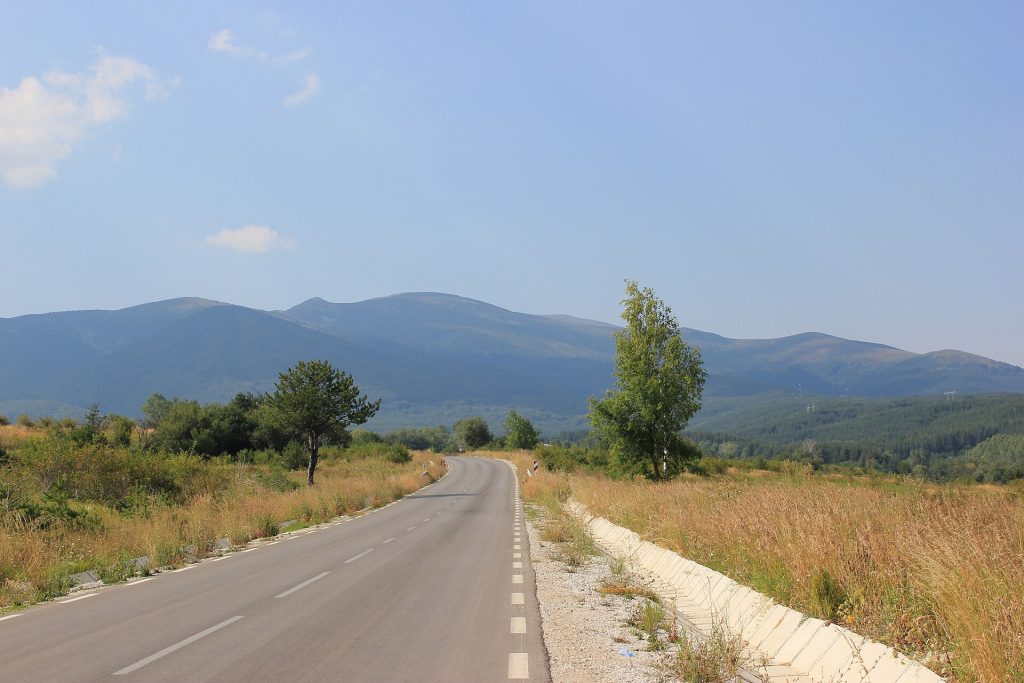
Vitosha stands to the south of the city and is roughly forty minutes away on public transport. In summer people go there to walk and in winter to ski, which means the mountain season opens without leaving the capital. From the summit the whole panorama of the city is visible.
The Rila monastery is two hours away and is Bulgaria’s best-known monument. The wall paintings and the striped arches are familiar from photographs, but on the spot the scale makes a stronger impression. This is a full day trip and there is mountain scenery along the way.
Read more: A Bulgaria travel guide: Sofia, the Black Sea coast, Bansko and cheap Europe
Transport, food and budget in Sofia
The metro runs from the airport to the centre, the journey takes twenty minutes and the ticket is very cheap. For moving around the city the metro, the tram and the bus work on a single ticket. The centre is compact, so you can walk to most places. Accommodation is cheap, and in the centre even single-room hostels are at hotel level.
| Hotel | A three-star night in the centre, roughly 45–80 euros |
| Shopska salad | Tomato, cucumber and white cheese, on every menu |
| Dinner in a restaurant | 12–22 euros a head |
| The Rila trip | A full day, by bus or on a tour |
The country is a member of the European Union and has joined the Schengen system, while the currency is still the lev, so keep a card and a little cash with you. Hotel prices drop especially low in the winter months, and comparing central hotels by date shows this clearly. Direct flights from Baku change with the season, so it pays to follow flight prices in the direction of Bulgaria in advance. Official tourism information about the country is on Bulgaria’s tourism portal.
Season in Sofia
May–June and September–October are the most comfortable period, the weather is 20–27 degrees and the mountain routes are open. December–March is the ski season for Vitosha and Bansko, while in the city it snows and the temperature drops below zero. July–August is hot, but in exchange the open-air cafés work until late hours. In the spring months prices stay at their lowest level.
In short
Sofia is a cheap, compact and unexpectedly layered city, and the mountain is half an hour away on top of that. Go to the cathedral in the morning, do not miss the Roman stones in the metro underpass, and give a day to the Rila monastery. If you want to combine the Balkans into one route, you can look at the options among Balkan tours. For a visa and a route, fill in the application form.
Note: prices and flight schedules change with the season, so check before travelling.
