Bulgaria gives you Europe’s cheapest sea holiday and cheapest ski holiday in the same country. In summer the Black Sea coast, in winter Bansko, and in between historic cities like Sofia and Plovdiv. Since the country joined Schengen fully in 2025 you go there on a Schengen visa, and with that same visa you can cross to Greece as well. For us Bulgaria is a comfortable country: we read the Cyrillic alphabet, the food is familiar and the older generation speaks Russian. In this article I have gathered the cities and the resorts. The transport, the food, the season and the budget are in there too.
Bulgaria in brief
| Capital | Sofia |
| Language | Bulgarian, Cyrillic alphabet; Russian among the older generation, English among the young |
| Currency | The euro since 2026; old lev prices are still visible |
| Visa | Schengen «C» visa, through VFS Global in Baku |
| Best time | June–September for the sea, December–March for skiing, May and October for the cities |
| Flights | No direct flight, 3+1 hours via Istanbul |
| Daily budget | 60–90 euros at a mid-range level |
Bulgarian cities: Sofia, Plovdiv, Veliko Tarnovo
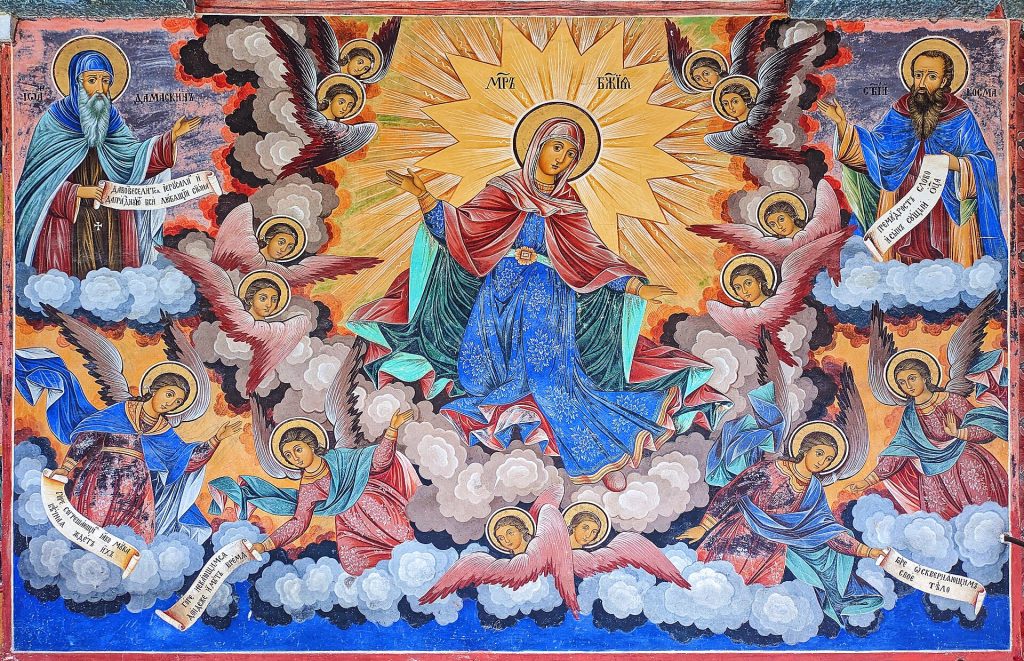
Sofia lies at the foot of Mount Vitosha and is a one- or two-day city. The Alexander Nevsky cathedral is the city’s symbol. While the metro was being built the Roman-era ruins of Serdica were found, and now you can look at them. Cafés line Vitosha boulevard, and you go up the mountain by cable car. Two hours south of Sofia is the Rila monastery, the country’s most famous monument, on the UNESCO list and worth a day trip.
Plovdiv is one of the oldest continuously inhabited cities in Europe, and you feel that at every step. The Roman theatre is still in use. The colourful houses of the old town and the Kapana arts quarter are the places to walk. One day is enough, two is better. Veliko Tarnovo is the medieval capital, with the Tsarevets fortress up on the hill. On the coast Varna is the big city and is next to the Golden Sands resort, while Burgas is the gateway to Sunny Beach and Nessebar. Nessebar’s old town on its peninsula is the loveliest village on the Black Sea; walk it in the evening.
Bulgarian resorts: the Black Sea and Bansko
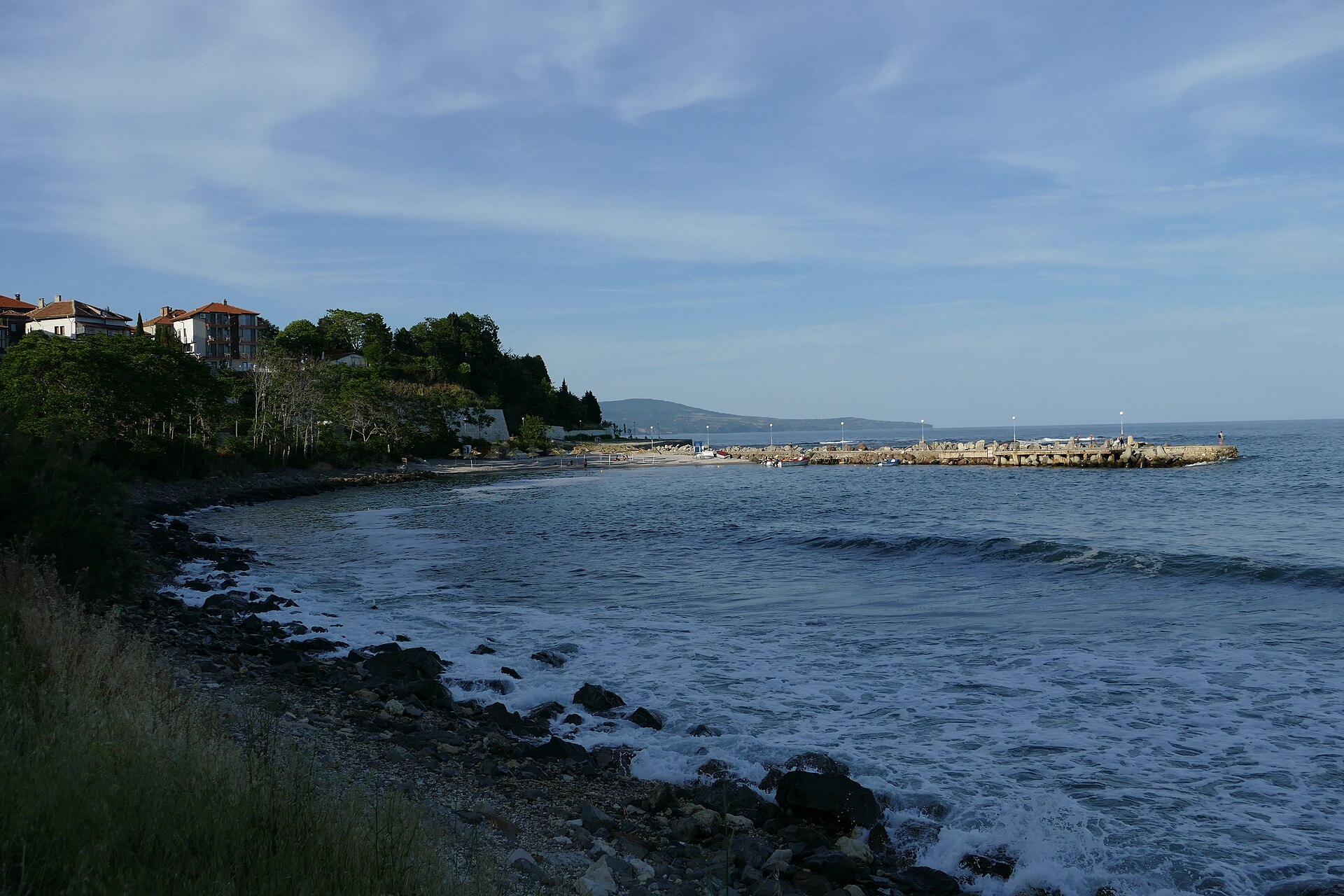
The summer resorts divide into two regions. In the north, around Varna, that is Golden Sands and Albena, it is family-friendly and quiet. In the south there is the area around Burgas, where Sunny Beach, Nessebar, Sozopol and Primorsko line up, and that side is for the young and for night life. Sunny Beach with its eight kilometres of sand is the biggest resort, while Sozopol is small and full of atmosphere — I would choose Sozopol.
The winter resorts are Bansko, Borovets and Pamporovo. Bansko is in the Pirin mountains and is the largest ski resort in all the Balkans; a day pass is 50–60 euros, which is to say twice as cheap as the Alps.
For thermal treatment people go to Velingrad and Sandanski, while Hisarya is known for its mineral water.
Transport in Bulgaria
Between the cities the bus is both faster and more comfortable than the train, and seeing the timetable and the price in one place makes planning easier. From Sofia it is two hours to Plovdiv, six or seven to Varna and five or six to Burgas, and the ticket is 10–20 euros. The trains are cheap but old and slow, which is to say for those with time.
The Sofia metro links the airport with the centre and a ride is less than a euro. Car hire is 25–40 euros a day, a seven-day motorway vignette is about 8 euros, and in winter chains are needed on the mountain roads.
You can also fly straight to the coast. In summer flights from Istanbul to Varna and Burgas open, and the domestic flight from Sofia takes an hour.
Bulgarian food: banitsa, shopska and the grill
Bulgarian cooking is a mixture of Balkan and Turkish, which is why it feels familiar to us. Banitsa is a layered cheese pastry and is the basis of breakfast, served with ayran. Shopska salad is made of tomato and cucumber with plenty of sirene cheese over it. Kebapche and kyufte are the sausage and patty cooked on the grill, and tarator is a cold yoghurt soup resembling our doğramac.
Bulgarian yoghurt and white cheese are known around the world, and they themselves remind you of that often.
Lunch in a restaurant is 8–12 euros, at the coastal resorts 15, and a coffee in a café 2. The tip is ten per cent and is given in cash. Halal food is available in the Turkish restaurants of Sofia, and on the coast there is plenty of fish and vegetable choice.
Read next: A Bulgarian visa is now a Schengen visa: what has changed and what you need
Season and weather
On the coast the sea season lasts from June to September. In July-August the weather is thirty degrees and the water 24–26, while June and September pass quiet and cheap.
For Sofia and Plovdiv, May-June and September-October are ideal; the summer is hot and in winter the temperature drops to minus five.
The ski season runs from December to April, and the best snow month in Bansko is February. The coastal resorts close from October to May, and then Sunny Beach looks like an empty town. The calendar of resorts and events can be seen on the Bulgaria Travel portal.
Budget and tickets
Bulgaria is the cheapest country in the European Union. A good hotel in Sofia is 50–80 euros and in Sunny Beach in season 60–100. In Bansko in the winter months the price rises to 70–120 euros, and in the ski season the free hotels have to be taken a month or two ahead.
The small expenses are low. A museum is 3–6 euros and a sunbed on the beach 5–10. Excluding the flight, a week-long trip fits into 500–800 euros per person.
Turkish Airlines and Pegasus fly to Sofia, Varna and Burgas via Istanbul. Along with a ticket to Sofia, compare the Varna and Burgas tickets separately in summer; flying straight to the coast saves you a six-hour bus. For a coastal holiday, Bulgaria sea tour packages settle the hotel and the transfer in Sunny Beach and Golden Sands together.
Frequently asked questions about Bulgaria
Can you cross to Greece on a Bulgarian visa?
Yes, both are in Schengen. From Sunny Beach to the Greek coast at Kavala is three hours and there is no border check.
Which coastal resort is good for a family?
Albena and Golden Sands: the sea is shallow, the atmosphere is quiet and there are plenty of all-inclusive hotels. Sunny Beach is for the young.
Does Russian work?
With the older generation and in tourism, yes. The Cyrillic alphabet makes the signs easy to read, and the young speak English.
In closing
Bulgaria means a cheap sea, cheap skiing and familiar food on one Schengen visa, and for the person who picks the season correctly Europe’s best-value holiday is right here. The visa rules are explained on the Bulgaria page, and to build the resort and route plan together, fill in the application form.
Note: the prices here are as of the publication date and can change with the season.
