Since joining the Schengen zone, Romania has opened up a new Europe for us. On one side stand the castles of Transylvania and its Saxon towns, and the Transfăgărășan road crossing the Carpathians. On the other there are Bucharest’s enormous Palace of Parliament and Europe’s largest thermal complex, while the Danube delta is a genuine paradise for birds.
The country is twice as cheap as Western Europe, and the visa is submitted directly to the embassy, with no intermediary centre in between. Below I have gathered Bucharest, Transylvania, the mountain roads and the salt mine, along with the transport, the food, the spas, the season and the budget.
Romania in brief
| Capital | Bucharest |
| Language | Romanian; English widespread among the young and in tourism |
| Currency | Leu (RON), 1 euro ≈ 5 lei; cards everywhere |
| Visa | Schengen «C» visa, directly to the embassy in Baku |
| Best time | May–September; the Transfăgărășan July–October |
| Flights | 4–5 hours to Bucharest via Istanbul |
| Daily budget | 60–90 euros at a mid-range level |
Bucharest: the Palace of Parliament, the old town, Therme
Bucharest was once called «the little Paris of the East», and today the concrete of the Ceaușescu period and belle époque villas stand on the same street.
The Palace of Parliament is the heaviest and second largest administrative building in the world; you enter the tour with your passport and pay 10 euros, and inside a person quite literally gets lost. The Lipscani old town is full of bars and restaurants, the Stavropoleos church stands beside it, and be sure to look into the Cărturești Carusel bookshop.
The Arch of Triumph, the Royal Palace and the National Museum of Art join up on one route. The Village Museum in Herăstrău park has gathered the wooden houses of the whole country in one place. All of it takes two days.
Therme Bucharest is twenty minutes from the city and is Europe’s largest thermal complex. Under a tropical palm garden there are pools, saunas and water slides; a day ticket is 15–25 euros and the complex works all year. In winter snow falls outside while palms grow inside. From here it is an hour and a half to Sinaia and two and a half to Brașov.
Transylvania: Brașov, Bran, Peleș, Sighișoara, Sibiu
In Sinaia the Peleș palace stands like a fairy tale inside the Carpathian forest; it is neo-Renaissance and, to my mind, the loveliest building in Romania, with entry at 15 euros.
Brașov is the centre of Transylvania. The Council Square, the Black Church and the cable car up Mount Tâmpa are here, and one of the narrowest streets in Europe is in this city too. Set aside two days and use Brașov as a base for the whole region.
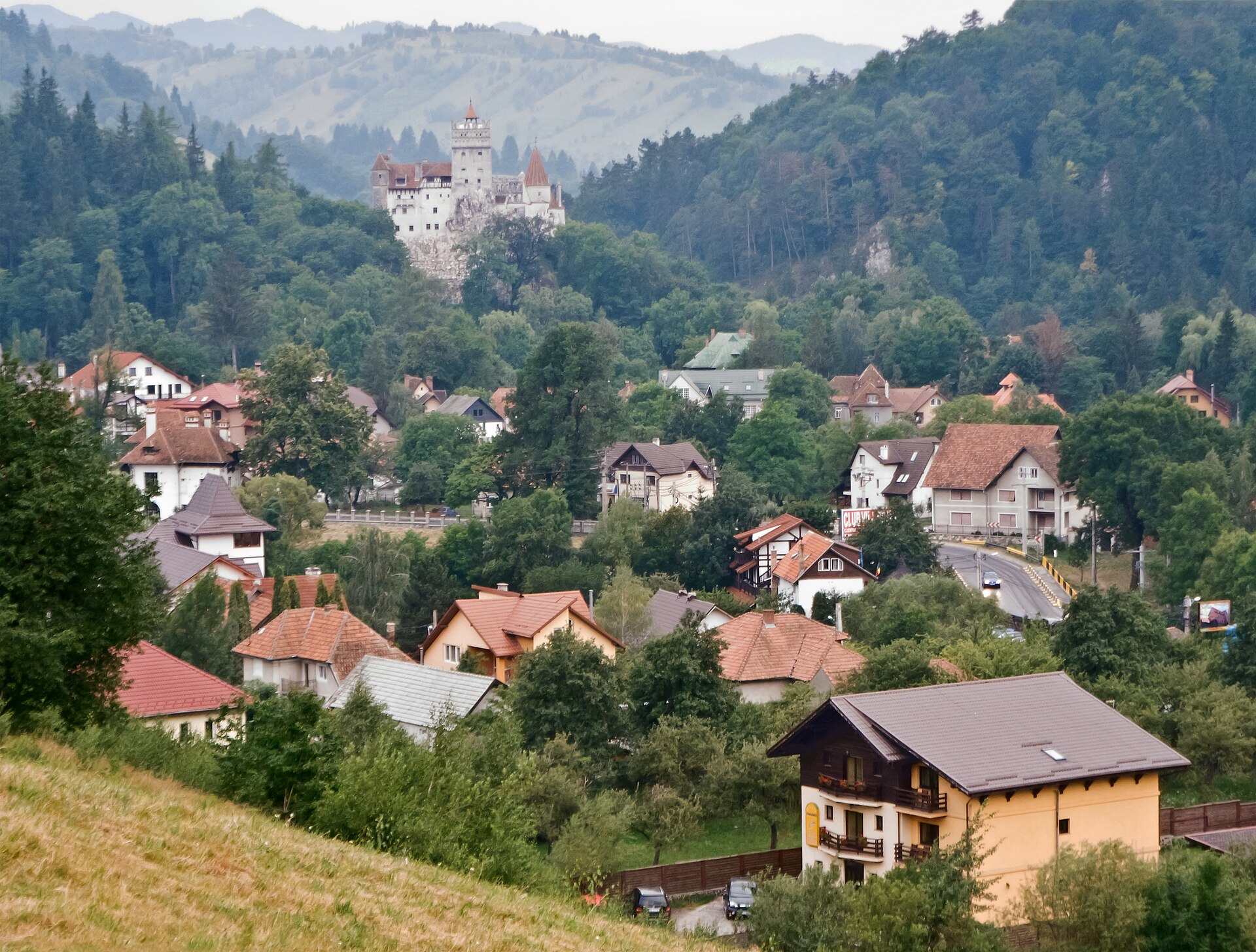
Bran castle is known as «Dracula’s castle» and is thirty minutes from Brașov. Bram Stoker never saw it, but the atmosphere really is there; the ticket is 15 euros, so go early in the morning. Râșnov fortress is seen on the way too.
Sighișoara is a whole medieval citadel on the UNESCO list, with the Clock Tower and the house where Vlad Țepeș was born; it is two hours from Brașov. Sibiu is a Saxon town known for its «eyed roofs», and the roofs really do look at you. The Large and Small squares and the Bridge of Lies are in the centre, while the ASTRA open-air museum lies on the edge of the city.
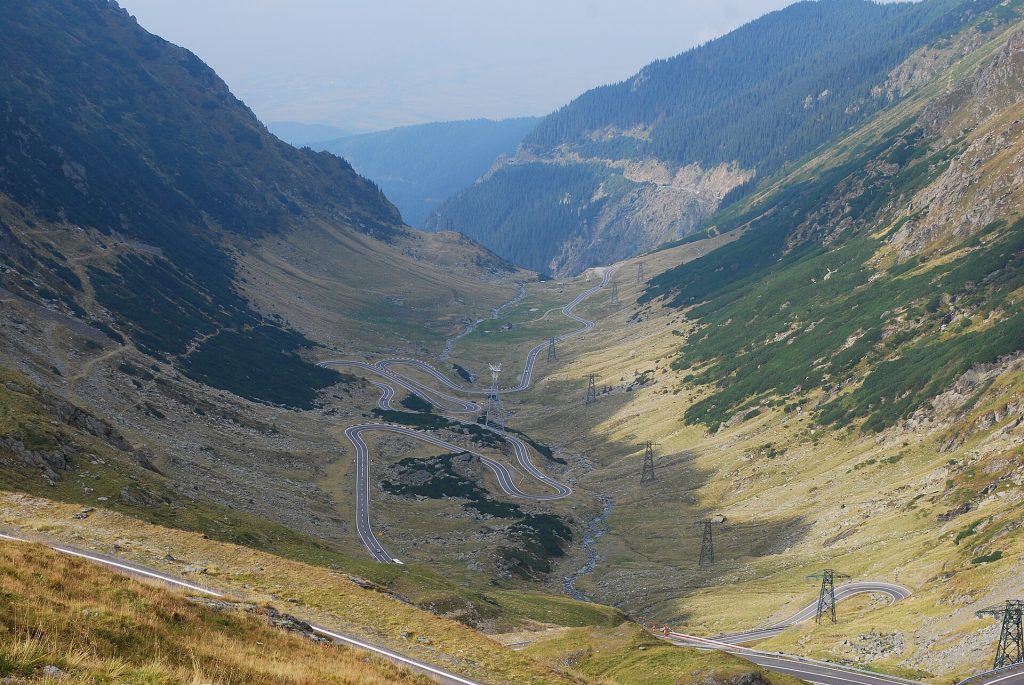
The Transfăgărășan road crosses the Carpathians at two thousand and forty-two metres. Thanks to its hairpins and Bâlea lake it is called «the best road in the world», but it is open only from July to October and is an hour and a half from Sibiu. The Transalpina is the higher alternative.
In the Turda salt mine there is a lake, boats and a ferris wheel a hundred and twenty metres underground, forty minutes from Cluj. Maramureș is known for its wooden churches and the Merry Cemetery, while for the Danube delta you go out by boat from Tulcea and look at the pelicans.
Transport in Romania: CFR, FlixBus, cars, Bolt
CFR trains are cheap but slow, so comparing them with the bus often saves an hour or two. Bucharest to Brașov takes two and a half to three hours and the ticket is 8–12 euros; Brașov to Sighișoara is two and a half hours, and Bucharest to Cluj eight, with night trains running in that direction. FlixBus and the local buses are sometimes faster than the train.
For the Transfăgărășan, Maramureș and the delta you need a car, and daily hire is 25–40 euros. The mountain roads are narrow, in the villages you meet horse carts, and the vignette called the rovinietă is bought online. Romanian drivers go fast, so be careful.
Inside the cities Bolt and Uber work in Bucharest, Brașov, Cluj and Sibiu for 2–5 euros, while a street taxi may inflate the price. The Bucharest metro has four lines and a ride is sixty cents; from the airport into the centre there is a train and the number one hundred bus. Turkish Airlines, Pegasus and Wizz Air fly to the Bucharest, Cluj and Sibiu airports.
Sarmale, mici, papanași: Romanian food and the spas
Sarmale are cabbage rolls made with minced meat and rice and are considered the national dish. They are the Balkan relative of our dolma, and at the first spoonful you remember home.
Mămăligă is a maize porridge served with cheese and sour cream. Mici are grilled sausages eaten with mustard and are the most famous street food. Ciorbă de burtă is a sour tripe soup and ciorbă de fasole a bean soup served inside a loaf. For dessert come papanași, that is fried curd doughnuts with jam, and at festivals cozonac bread is baked.
Lunch in a restaurant is 7–10 euros and dinner 15–25. Caru’ cu Bere has been working since 1879 and is Bucharest’s most famous restaurant. Halal food is found here in Turkish and Arab restaurants, while in Constanța there is a Tatar-Turkish community. Sarmale are made in a meatless version too, and mici are of beef.
As for the spas, Băile Herculane has thermal baths left from Roman times. Băile Felix is near Oradea and works all year with its hot pools. Sovata has the salty Bear lake, and there is skiing in Poiana Brașov and Sinaia. Cheap sanatoriums in the Soviet tradition are still in operation too.
Season and weather
May-June and September are the ideal months, the weather is 20–26 degrees, Transylvania stays green and the castles are quiet.
In July and August the temperature in Bucharest rises to 35 degrees while the mountains stay at 25. The Transfăgărășan is open in those months, and on the Black Sea coast the Constanța and Mamaia season begins. October brings a golden autumn and the last weeks of the Transfăgărășan.
In December the Christmas markets of Sibiu and Brașov are set up, and they are among the loveliest in Europe. In Poiana Brașov the ski season lasts from December to March, a day pass is 30 euros and the temperature is minus 5–15 degrees. The Danube delta has its best time for birds in May-June. Regional and spa information is on the Romania Travel portal.
Budget and tickets
In Bucharest a three-star hotel is 50–80 euros and in Brașov’s old town 50–90. In Sibiu and Sighișoara the price is 45–75 euros, and a guest house in the mountain villages comes to 30–50. A hostel bed is 12–20 euros and the choice in Brașov is wide.
The museums and castles are cheap. Peleș is 15 euros, Bran 15, the Palace of Parliament 10, the Turda mine 12 and Therme 20. Excluding the flight, a week-long trip fits into 550–850 euros per person, and that is one of the cheapest in all of Schengen.
Turkish Airlines and Pegasus fly to Bucharest via Istanbul, and there are flights to Cluj as well. A ticket to Bucharest is between 300 and 450 euros. Transylvania tour packages fitting Bucharest, Peleș, Brașov, Bran and Sighișoara into one week settle the car, the castle tickets and the mountain hotels together, and combining the route with Moldova is easy too.
Frequently asked questions about Romania
How many days does Romania need?
Bucharest takes two days, Sinaia with Brașov two, and Sighișoara with Sibiu another two. Add a day for the Transfăgărășan and it comes to a week. With Maramureș or the delta, ten days.
Can you cross to Moldova on a Romanian visa?
Moldova is visa-free for citizens of Azerbaijan anyway, and the train and bus from Bucharest to Chișinău take eight to ten hours. To come back your Schengen visa must be multiple entry.
Which route with a child?
Therme Bucharest, Bran castle and the Tâmpa cable car in Brașov are the best choices for children. The boats in the Turda salt mine and the Libearty bear sanctuary in Zărnești make the list too. The Transfăgărășan hairpins are hard with a child who cannot take a long journey.
In closing
Romania is a country giving you castles, Carpathian roads and thermal pools at the Schengen zone’s cheapest prices, and with a Transylvanian base a week is a complete trip. The visa process is explained on the Romania page, and to build the Transylvania route together, fill in the application form.
Note: the prices here are as of the publication date and can change with the season.
