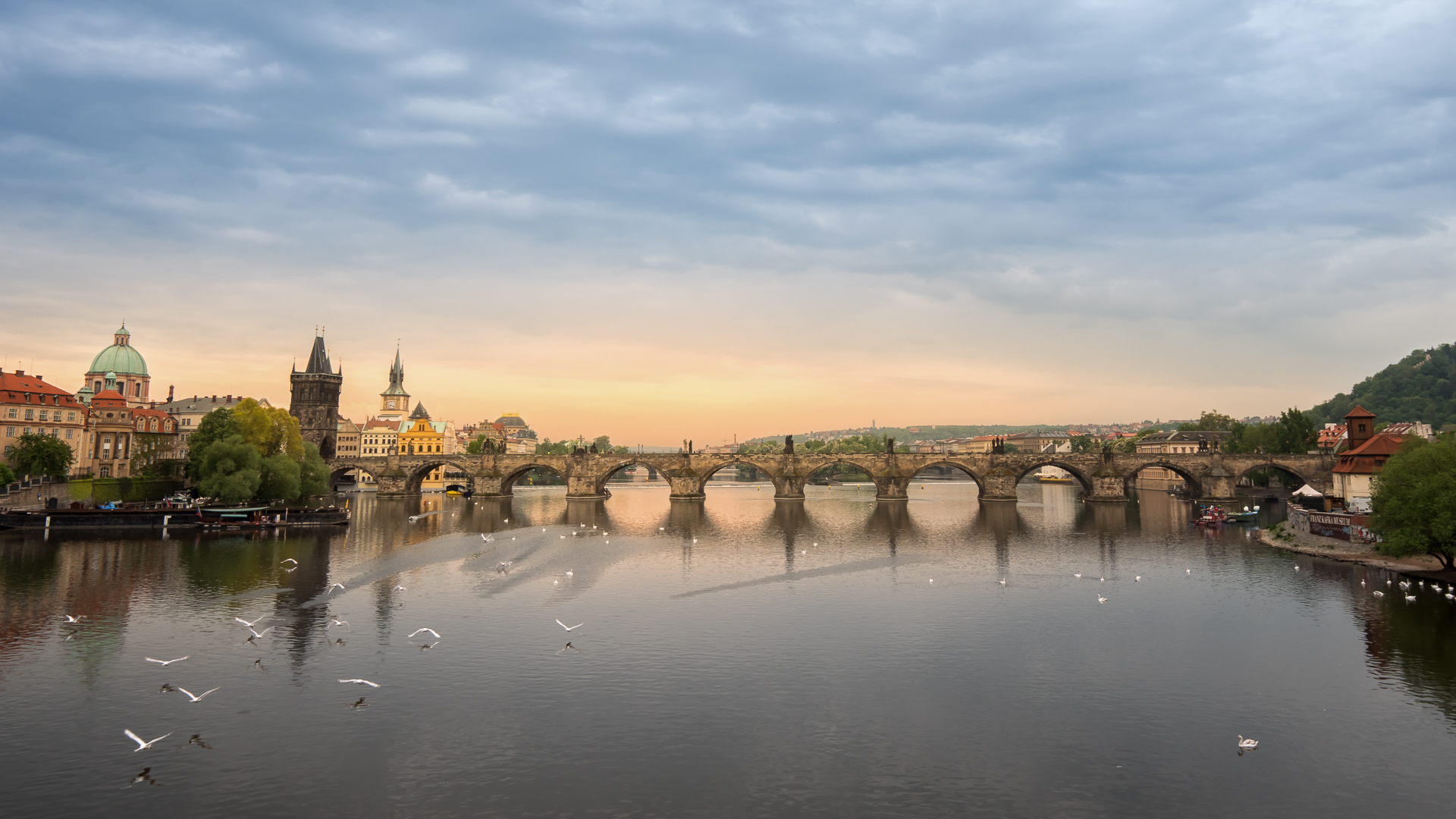
Prague was barely damaged in the war, and the result is plain to see today. Gothic, baroque and modernist buildings stand side by side on the same street. The city is small and can be walked in three days. It has one problem: the number of tourists is high, so getting up early genuinely helps here. Below I have written how to see Prague while escaping the crowds.
Prague in brief
| Country | Czechia; 1.3 million people |
| Visa | Schengen “C” visa |
| Currency | Czech koruna, not the euro; cards everywhere |
| Best time | April–June and September–October |
| Flight | From Baku via Istanbul or Vienna |
| How many days | Three days for the city, a fourth for the surroundings |
The old town and the astronomical clock
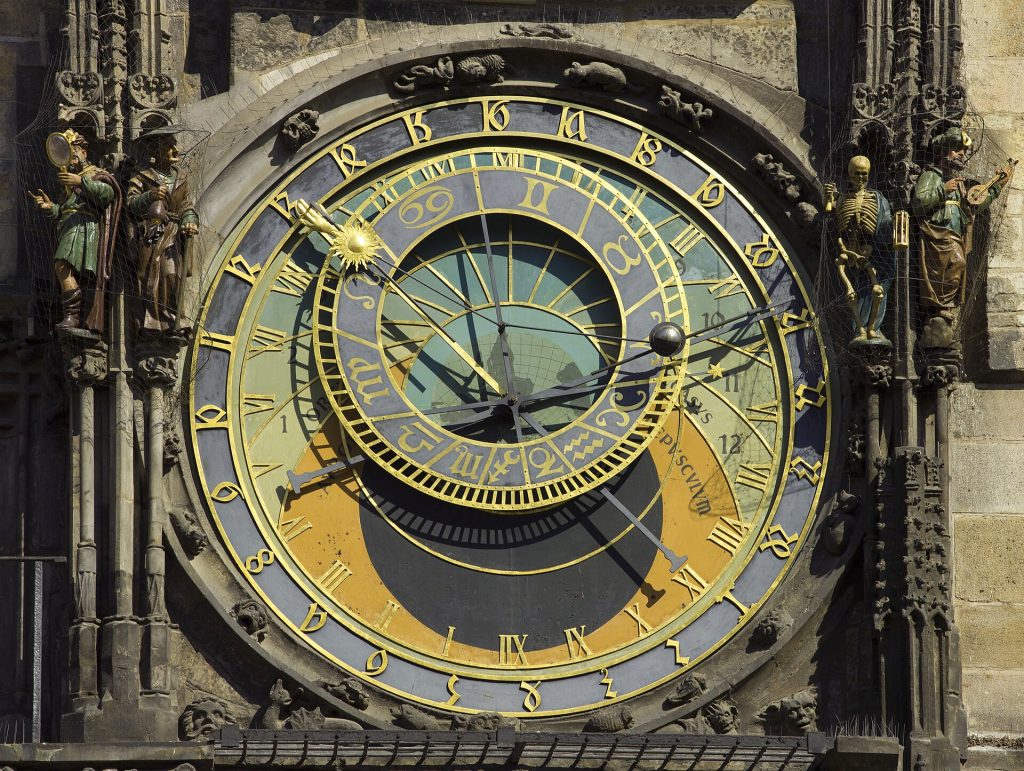
The old town square is the start of the route. The astronomical clock on the town hall wall has been working for more than six hundred years and puts on a small show every hour. To be honest, the show lasts forty seconds and disappoints most people; the real value is in the mechanics of the clock itself. If you climb the tower you see the square from above, and that is a better use of your time.
Go to Charles Bridge at sunrise. After nine there are artists, musicians and thousands of people on it, and taking a photograph is impossible. At six in the morning, though, the bridge is empty and the mist off the river rises between the statues.
Prague Castle and Mala Strana
Prague Castle is considered the largest castle complex in the world and contains Saint Vitus cathedral, the Old Royal Palace and the Golden Lane. The ticket is sold in several route options, and for most people the short route is enough. Entry to the courtyard is free; you only need a ticket for the buildings.
Go down from the castle into the Mala Strana quarter, where the narrow streets are the quietest part of the city. You can go up Petrin hill by funicular, and the whole of Prague is visible from the tower at the top. If you take the walking tours and the castle ticket in advance, you avoid the box office queue.
Beer and food in Prague
Czechia is first in the world for beer consumption per head, and the price explains that. In a beer hall half a litre is often cheaper than water. If you do not drink, there is one comforting thing: those same beer halls are also the best and cheapest places to eat.
The classic dishes are built on meat and a side, with goulash and knedlik the most common. The sweet bread called trdelnik is sold in the streets, but it is presented as a Czech tradition when in fact it was invented for tourists. Halal restaurants are around Wenceslas Square and in the Vinohrady district. Two streets away from the square the price halves.
Transport and changing money in Prague
The metro has three lines, while the tram network is denser and covers the centre completely. A thirty-minute ticket is 30 koruna and a day ticket 120. Night trams run. From the airport a bus and metro combination takes forty minutes to the centre. Flight options vary with the season, and you will need to compare the connection times between Baku–Prague flights.
One warning is essential. The exchange booths in the centre advertising “zero commission” give the worst rate in the world and have been cheating tourists for years. Either withdraw koruna from a cash machine or pay by card. When the machine offers you its own rate, always press the “in koruna” option.
Read more: A Czechia travel guide: Prague, Karlovy Vary, Cesky Krumlov, the trains and the healing waters
A day out of the city
Kutna Hora is an hour by train, and there is a chapel there made out of bones — an extraordinary sight. Karlovy Vary is a spa town known for its healing waters and is two hours away by bus. Cesky Krumlov is further off and needs three hours of travel, but its old town is finer than Prague’s. Choose one; two do not fit into a day.
Season and budget in Prague
April–June and September–October are the ideal months, at 18–24 degrees. July and August are hot and very crowded. Winter is cold, but in December the Christmas markets fill the squares and the city looks like a postcard. January to March is the cheapest period.
A three-star hotel in the centre is 70–120 euros, and 50–90 in the Vinohrady district. Choosing your hotel by the tram line makes staying a little outside the centre painless. The castle ticket is around 450 koruna and lunch in a beer hall 250–350. To see several European cities on one route, look at the list of coach tours. Official tourism information is on the prague.eu site.
A last word
Prague is a beautiful city, but you only see that beauty early in the morning or late in the evening. Go to Charles Bridge at sunrise, stay away from the exchange booths, and give one day to a neighbouring town. For a visa and a route, fill in the application form.
Note: the prices in this article are those at the time of publication and may change with the exchange rate.
