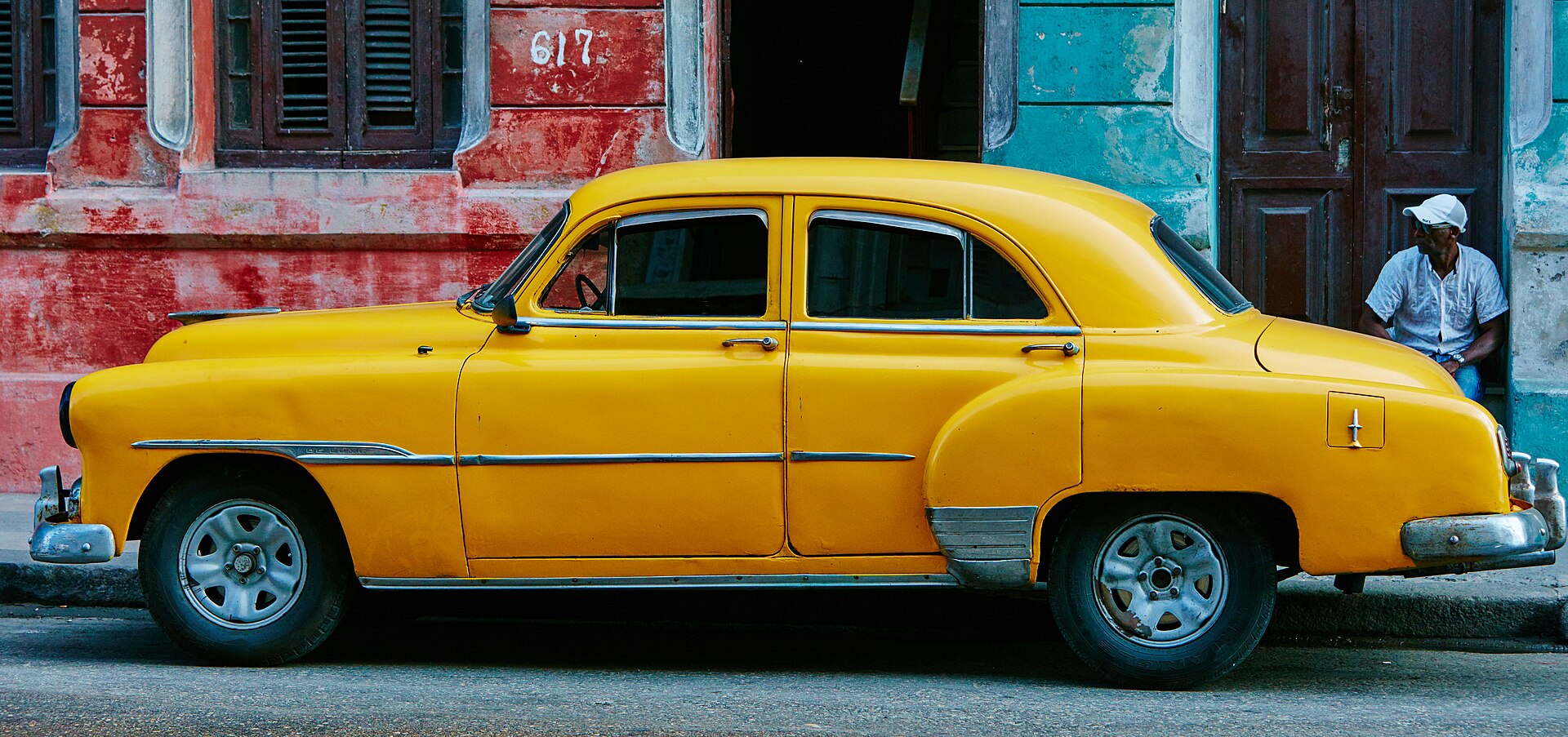
In Havana time has stopped somewhere, and that is not a cliché — it is literally the case. American cars from the fifties are still running in the streets, while the facades of the buildings are a hundred years old and waiting for restoration. The city is both beautiful and difficult, because the internet, cards and groceries do not work the way they do in Europe. Below I have written the rules for preparing.
Old Havana and the Malecon
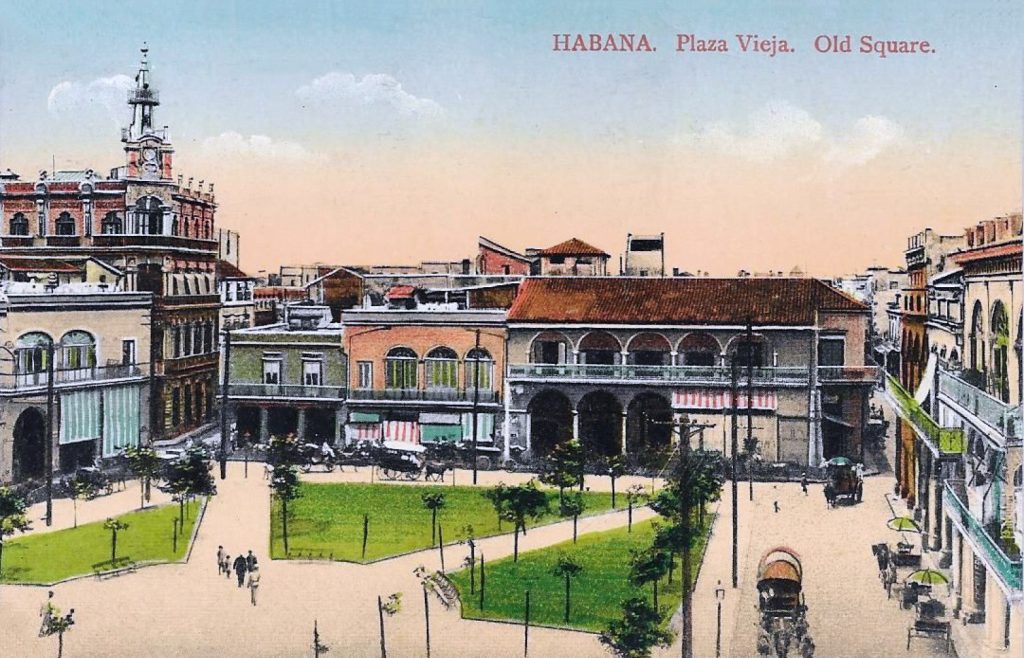
Old Havana is on the UNESCO list and is built around four squares. Cathedral Square is the loveliest with its baroque facade, while the old book market is on Arms Square. The Capitolio building resembles the one in Washington and reopened after restoration.
The Malecon is an eight-kilometre shore boulevard, and in the evenings the whole city comes out onto it, with fishermen, musicians and families sitting along the wall. On rough days the water comes over the road. Spend sunset there; it is the most memorable sight in Havana.
Vedado, the fortress and the old cars
The Vedado district is newer and more spacious, and Revolution Square is there; the portrait of Che Guevara on the wall is the most photographed image in the city. The university steps and the Colon cemetery are in the same area.
The Morro fortress stands at the entrance to the bay, and every evening at nine there is a cannon-firing ceremony, a tradition that has lasted more than three hundred years. A city tour in an open old car is the classic experience for a visitor, and the price is agreed by the hour — settle it before you get in.
Money, internet and staying in Havana
The most important rule is this: bring the whole budget for your trip in cash. Cards linked to American banks do not work in Cuba, and other cards do not always go through either. Bringing euros or another freely convertible currency and changing it on the spot is the most reliable route.
The internet is limited; there are working points in hotels and on squares, but the connection is slow. Staying in the family homes called casa particular is cheaper than a hotel and shows you the city better, and the hosts usually give you breakfast too. Compare hotel and apartment options in advance — searching once you are there is difficult.
Vinales and Varadero from Havana
The Vinales valley is to the west, three hours away, and is known for the flat-topped hills called mogotes, with the tobacco fields there. Varadero is to the east, two hours away, and has one of the best beaches in the Caribbean. Trinidad is a colonial town and takes four hours.
Transport within the country is limited and the timetables change. The Viazul buses run for tourists, and the tickets have to be bought in advance. Organised day tours settle both the transport and the guide; check the options in advance.
Season and prices in Havana
November to April is the dry season and the best period, with 24–28 degrees. May to October is hot and humid, and August to October is hurricane season. December to February brings the most tourists and is the most expensive period.
A night in a family home is 25–50 euros and a hotel 70–150. Lunch in a restaurant is 10–20 euros, and rather than the state restaurants choose the private places called paladar, where the quality is better. Official information is on the Cuba Travel site.
In closing
Havana asks for preparation and in return gives you a city with no equivalent anywhere. Bring all your money in cash, stay in a family home, and spend sunset on the Malecon. For a visa and a route, fill in the application form.
Note: the prices in this article are those at the time of publication and may change with the season.
