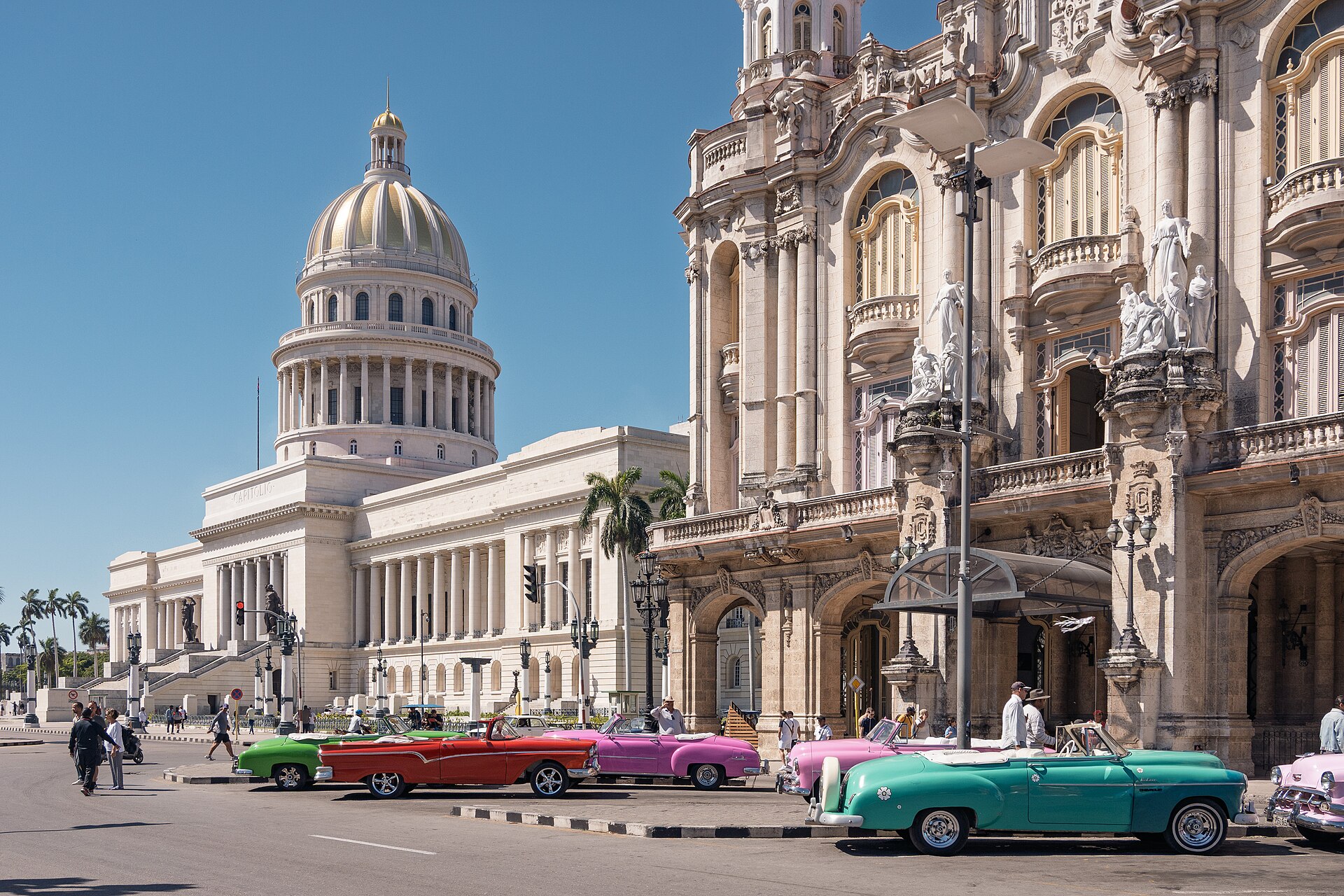
Cuba is the island where time stopped. Chevrolets from the 1950s drive around the streets of Havana, and you watch the sunset from the Malecón seafront. The tobacco fields of Viñales and the coloured colonial houses of Trinidad are another world. And the twenty kilometres of white sand at Varadero complete the trip. But Cuba is at the same time a difficult country and there is no point hiding it: bank cards do not work, the internet is weak, the power cuts out and the shops are empty. For us entry with an eVisa and compulsory insurance is simple, while the main preparation is cash euros and the right expectations. In this article I have gathered the cities, the casa particular system and the money and internet question. The transport, the food, the season and the budget are here too.
Cuba in brief
| Capital | Havana |
| Language | Spanish; English limited even in tourism |
| Currency | Cuban peso (CUP); cash euros are the basis, cards all but do not work |
| Visa | eVisa online, compulsory medical insurance, the D’Viajeros form |
| Best time | November–April, the dry season; June–November hurricane risk |
| Flights | 16–20 hours via Madrid or Istanbul |
| Daily budget | 60–90 euros at a mid-range level |
Money, internet and expectations: before you go to Cuba
Take your whole budget in cash euros, in small notes. Cards linked to American banks do not work at all, others only rarely, and the cash machines are usually empty. There is a big difference between the official and the unofficial exchange rate; it is the custom to change money with the casa owner or in a trusted place. Do not change money on the street, they hand over counterfeit notes, and many casas and restaurants accept euros directly.
The internet works through an ETECSA SIM card or hourly Wi-Fi cards, it is slow and mostly works in the parks; people sit in the park looking at their phones, so download offline maps and a translator. Power cuts, especially outside Havana, are a daily thing; the casas give light with a generator or a battery, so bring a torch. Come with medicine, toiletries and snacks, as they are not to be found in the shops, and small gifts for the casa owners are met with great thanks. For someone ready for these conditions Cuba gives the warmest welcome in the world; someone who is not ready wants to go home after three days.
Havana, Viñales, Trinidad, Varadero
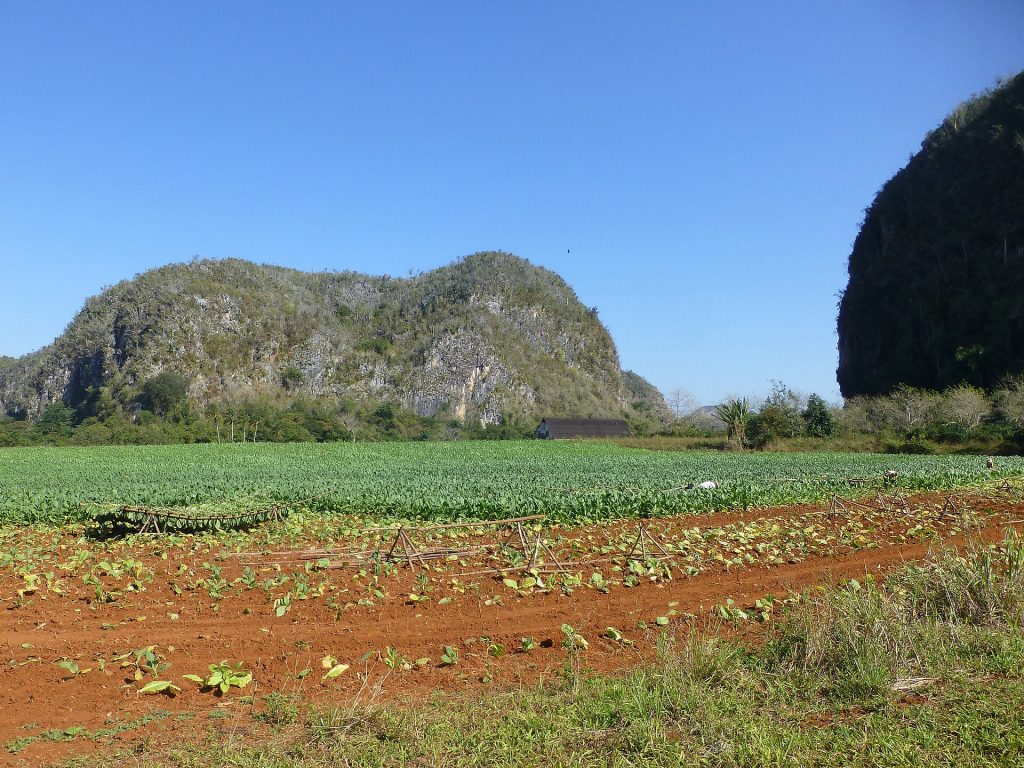
Havana is three days. Old Havana is on the UNESCO list and has four squares and restored streets. The Capitol building is in the centre. In the evening go out to the Malecón, the whole city is there. A one-hour city tour in a classic convertible is 30–40 euros. Vedado, the Fábrica de Arte cultural centre and Hemingway’s house Finca Vigía are on the list too. Viñales in the west is the tobacco valley. The limestone hills called «mogotes» are its symbol. You ride out to the tobacco farms on horseback and watch how a cigar is rolled. It is two and a half hours from Havana; set aside two days.
Trinidad in the south is a five-hundred-year-old colonial town. Cobbled streets, coloured houses and the Plaza Mayor are the centre of town. In the evening the salsa starts on the steps of the Casa de la Música and everybody dances. The twelve-kilometre Ancón beach is nearby. Cienfuegos, the port city built by the French, is on the way. Set aside two or three days. Varadero is Cuba’s main resort, with twenty kilometres of beach and all-inclusive hotels, two hours from Havana, while Cayo Santa María and Cayo Coco, resort islands joined by a causeway, have cleaner water. Santiago de Cuba in the east, with its music and its revolutionary history, is a longer trip.
Casa particular and transport in Cuba
A casa particular, that is renting a room in a Cuban family’s house, is the country’s best form of accommodation. The rooms are clean and air-conditioned and cost 25–40 euros a night. Breakfast is five euros and dinner to order 10–15. You recognise such houses by the blue «anchor» sign on the door.
You book them in advance through Airbnb and the casa networks. The owner finds you both a casa and a taxi in the next town, and that chain covers the whole of Cuba. The state hotels are old and expensive, while the Varadero resorts are a world of their own.
For intercity transport the Viazul tourist buses run. From Havana to Viñales is three hours and to Trinidad six, and the ticket is 12–25 euros. The online bookings sell out months ahead, so fix your dates early.
The shared taxi called a «colectivo» takes you door to door on the same route, costs 25–35 euros and is faster, and the casa owner arranges it. Inside Havana there are classic taxis, the local «almendrón» shared cars and the cocotaxis. Car hire is expensive at 70–100 euros, and finding fuel is difficult on top of that, so I do not recommend it.
Internet on your phone is a separate subject in Cuba: an eSIM has to be set up before you enter the country, while struggling with a local card takes time.
Cuban food: eating at the casa
Cuban cooking is simple and limited by the shortages. Ropa vieja is shredded beef in tomato sauce. Moros y cristianos is rice with black beans. Tostones are fried plantain, served with chicken and pork. On the coast lobster is 10–15 euros in the casas and far better than in the state restaurants. The best food comes from the casa owner’s kitchen and from the private «paladar» restaurants, and dinner at a paladar in Havana is 15–25 euros. Fruit juices and coffee are everywhere. Sugar cane juice is called guarapo. And tropical fruit comes for breakfast. There is no halal food in Cuba; fish, chicken, rice and beans are the main option, and tell the casa owner in advance that you want food without pork — they sort it out. Water only from a bottle, and the casas give filtered water. The vegetarian choice is limited, but beans and rice and vegetables are everywhere.
Read next: A Cuba visa: the tourist card is gone, the eVisa, compulsory insurance and cash euros
Season and safety
November to April is the dry season, the weather is 25–30 degrees and it rains little. This is the best time for a trip. December–March is the busiest and most expensive period. From May to October the weather is rainy and hot; expect 33 degrees and humidity. June to November is the hurricane season, and the riskiest months are September and October. Your insurance must cover hurricane cancellations. In summer the Varadero resorts get cheaper. As for safety, violent crime is rare. The main risk is pickpocketing. The street fixers called «jineteros» deal in cigar, casa and restaurant scams. Selling fake cigars is widespread too. In Havana do not walk at night in the dark streets outside the old town, and keep your things at the casa. Cubans are very warm towards travellers, and not knowing the language is not a problem, you talk with your hands. Regional and event information is on the Cuba Travel portal.
What does a trip to Cuba cost?
A casa particular is 25–40 euros and a restored boutique casa in Havana 50–80. In Varadero an all-inclusive hotel is 100–200 euros and the Cayo hotels 150–300.
The excursions are cheap. The museums are 5–10 euros, a classic car tour 35, a Viñales horse ride 15 and a salsa lesson 10. Excluding the flight, a two-week trip fits into 1,000–1,500 euros per person. Plan the budget as cash you carry with you and add twenty per cent in reserve.
From Baku, Iberia and Air Europa fly to Havana via Madrid and Turkish Airlines via Istanbul. An air ticket to Havana is between 1,100 and 1,500 euros, and the Madrid connection does not require a Schengen transit visa. For those touring Havana, Viñales, Trinidad and Varadero on one route, Cuba tour packages settle the casa bookings, the transfers and the insurance together, and in Cuba that is the greatest comfort of all.
Frequently asked questions about Cuba
How many days does a Cuba trip need?
The time roughly divides up like this. If you set aside three days for Havana, two for Viñales, three for Trinidad and another three for Varadero, the trip comes to eleven or twelve days. If you settle for Havana and Varadero alone, a week is enough.
How much cash should you take?
Your whole budget plus twenty per cent in reserve, in euros: 1,200–1,800 euros for two weeks. If the casas and Viazul are paid online in advance, you need less; keep the money in several places.
Does a Cuban stamp affect a US visa?
For the American ESTA programme yes, but citizens of Azerbaijan get a US visa anyway. State your trip to Cuba correctly on the application.
In closing
Cuba is not a comfortable trip, but with cash euros, a casa particular and the right expectations it is an experience you will find nowhere else in the world. The eVisa and insurance conditions are explained on the Cuba page, and to build the Havana and island route together, fill in the application form.
Note: the prices here are as of the publication date; in Cuba the exchange rate and the conditions change fast.
