Munich is the wealthiest and most traditional city in Germany. As mixed and free as Berlin is, Munich is that tidy and conservative; the two cities feel as though they are from different countries. Here the Alps are an hour away, and that makes the city interesting in winter and summer alike. Two days for the city, a third for the mountains or a palace. To avoid landing on the second half of September by accident, check the schedule on bilet.az in advance.
Marienplatz and the centre
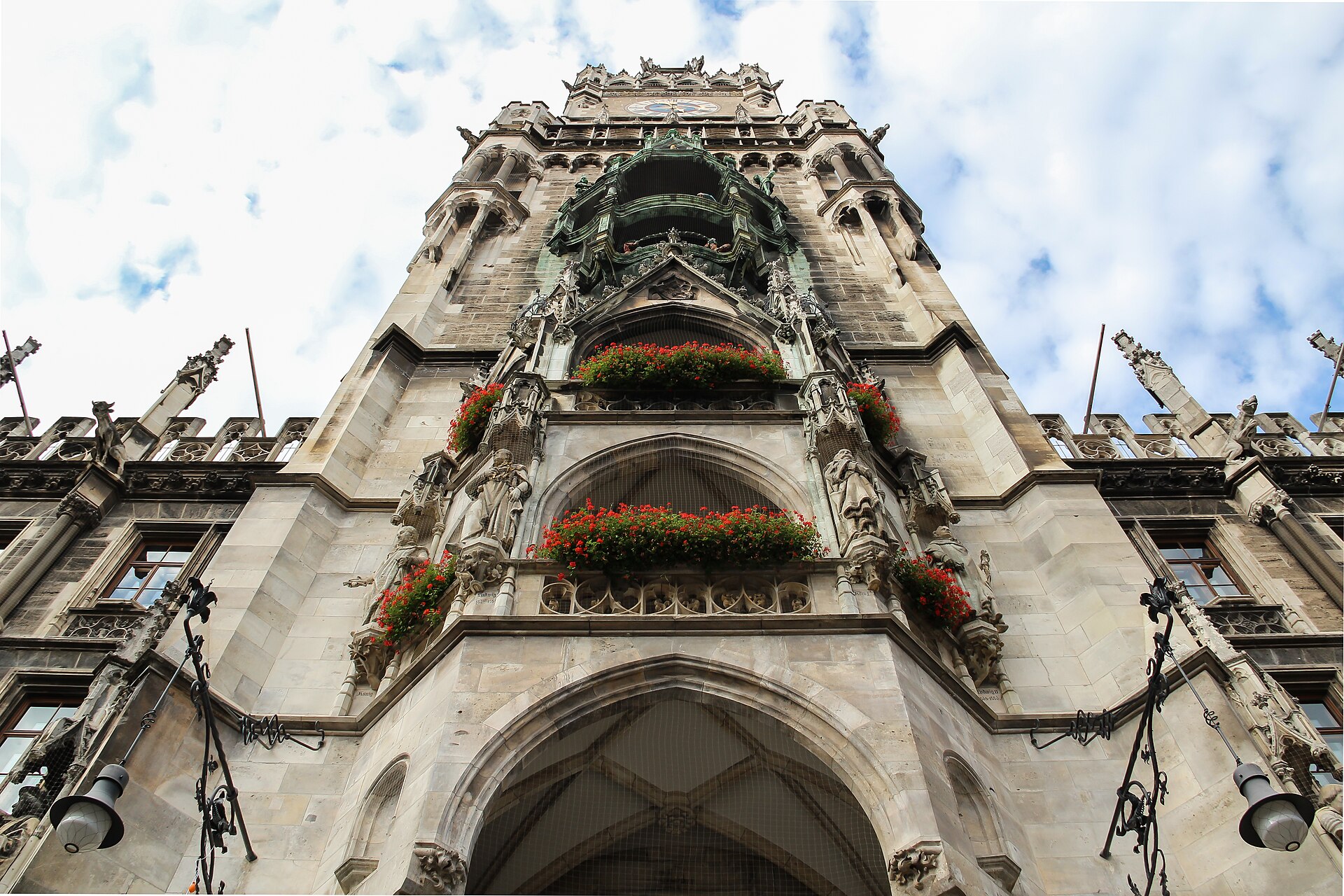
The clock on the new town hall in Marienplatz plays a puppet show at midday every day, lasting fifteen minutes. The two onion-domed towers of the Frauenkirche nearby are the city’s symbol. The Viktualienmarkt is behind the square and has been working for more than a hundred years; food is sold there too.
The Residenz palace was the city residence of the rulers of Bavaria and is among the largest inner-city palaces in Europe. The Antiquarium hall inside it is a hundred metres long. Seeing all of it in one day is not possible — choose a part.
The English Garden and the museums
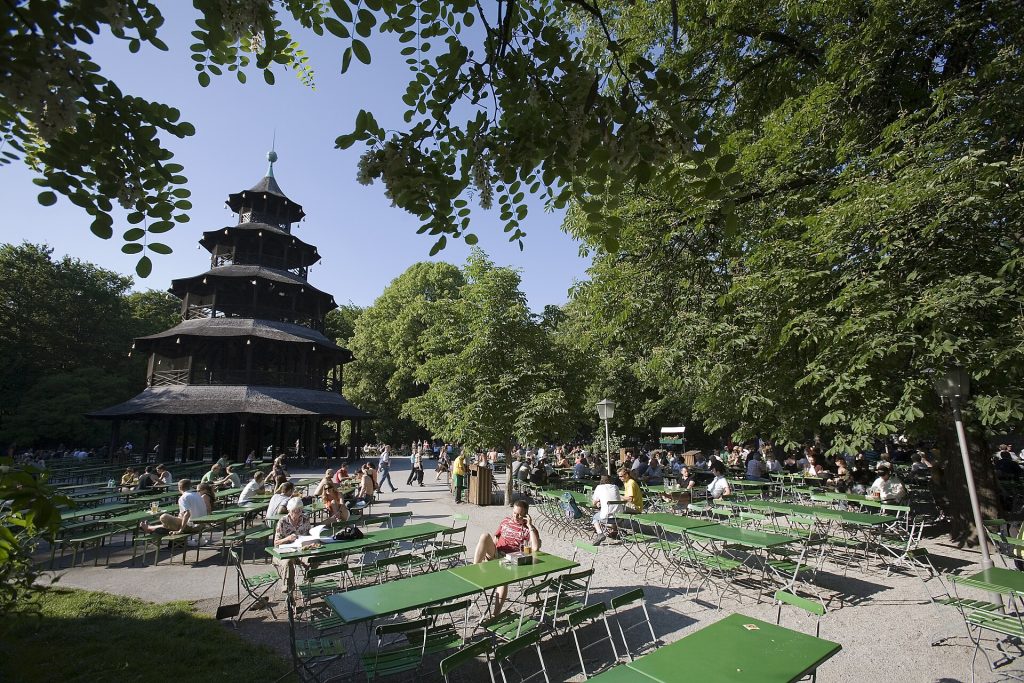
The English Garden is larger than Central Park in New York. The Eisbach channel running through it has a permanent standing wave, and surfers train there all year round — seeing that in the city centre comes as a surprise. The beer garden around the Chinese Tower is one of the largest in the city.
The Deutsches Museum is the largest science and technology museum in the world and takes a full day. There are three Pinakothek galleries covering different periods, and on Sundays entry is very cheap. The BMW museum and factory tour are for anyone who likes cars. Taking the tickets in advance is essential for the factory tour, where places are limited.
Oktoberfest and the beer gardens
Despite its name, Oktoberfest starts in the middle of September and ends in the first days of October. In those two weeks hotel prices in the city go up three or four times over and places run out months ahead. If you want to come, book in the spring; if you do not, avoid those dates.
The beer gardens work all year and are family places, with play areas for children. For anyone who does not drink there is still food and the atmosphere, and in many gardens you are allowed to bring your own food — an old rule. Halal restaurants are around Schwanthalerhöhe and the central station.
Read more: A Germany travel guide: the cities, the trains, the food and the season
From Munich to Neuschwanstein and the Alps
Neuschwanstein castle is two hours away by train and bus and is the source of the fairytale castle image. The ticket is sold online only, with a time slot, and runs out days ahead — buying on the spot is not possible. Garmisch-Partenkirchen is an hour and a half away, and from there a rack railway climbs to the Zugspitze summit.
Salzburg is two hours by train and is another country. The Bavaria regional ticket gives up to five people a day of good-value travel; compare the options on one screen.
Season and prices in Munich
May to September is the best period, with 20–26 degrees, and the gardens fill up. Winter is cold and it snows, while the mountain resorts work then. In December the Christmas markets are among the loveliest in Germany. The second half of September is the Oktoberfest period.
At ordinary times a three-star hotel is 110–170 euros; during the festival it starts at 350. Options near a metro line come out cheaper than the centre. A day transport ticket is 9.5 euros and the Deutsches Museum 15. Official information is on the Munich Travel site.
In short
Munich is tidy, traditional and the large city closest to the Alps. Reach the town hall show by midday, watch the surf wave in the English Garden, and buy the Neuschwanstein ticket weeks ahead. If you are planning it together with Neuschwanstein and Salzburg, look at group tours covering Bavaria. For a visa and a route, fill in the application form.
Note: the prices in this article are those at the time of publication and may change with the season.
