Everyone who goes to Germany from Baku has their own reason. Some go for treatment, some to settle a son into university. Some head for a Frankfurt trade fair, some simply to see the Christmas markets in December. Whatever the reason, most first-timers make the same mistake: they try to fit five cities into one week and end up spending half the time on a train. Germany is a big country and its cities are not alike. So in this article I explain which city gets chosen for what. How to travel cheaply by train, what to eat and what to pay attention to on a medical trip are here too.
Germany in brief
| Capital | Berlin; the biggest economic centres are Munich, Frankfurt, Hamburg |
| Language | German; in the cities English works everywhere |
| Currency | Euro; cash still matters |
| Visa | Schengen «C» visa, through TLScontact in Baku |
| Best time | May–September; Christmas markets in December |
| Flights | Baku–Frankfurt and Baku–Berlin direct, 5 hours |
| Daily budget | 100–150 euros at a mid-range level |
German cities: which one gets chosen for what?
Start with Berlin, you will not regret it. It is Germany’s cheapest capital and it shows the history in one place: the Brandenburg Gate, the glass dome of the Reichstag, the remains of the wall, Museum Island. And in the evenings Berlin turns into a different city; the streets of Kreuzberg are full at midnight too. Set aside at least three days — more rather than fewer.
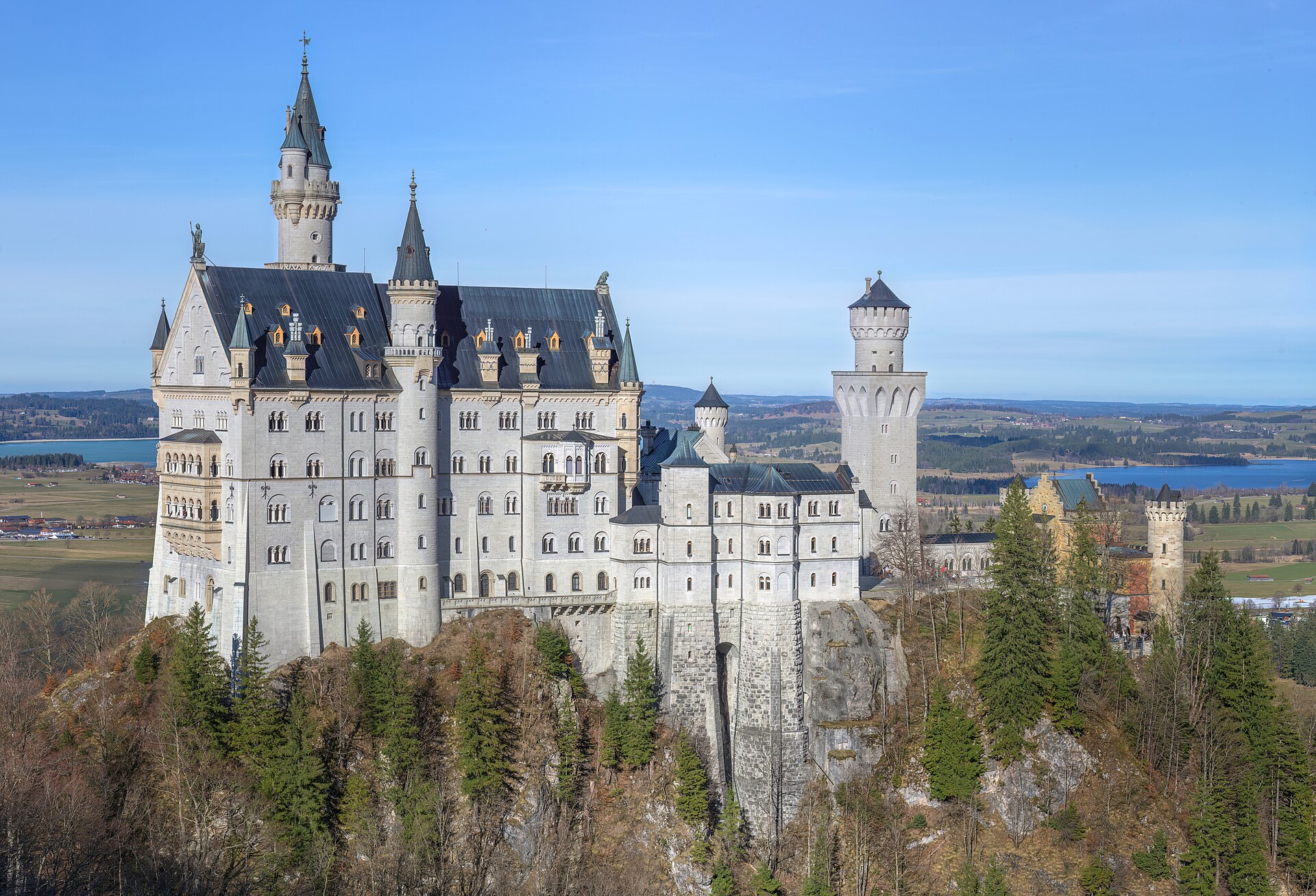
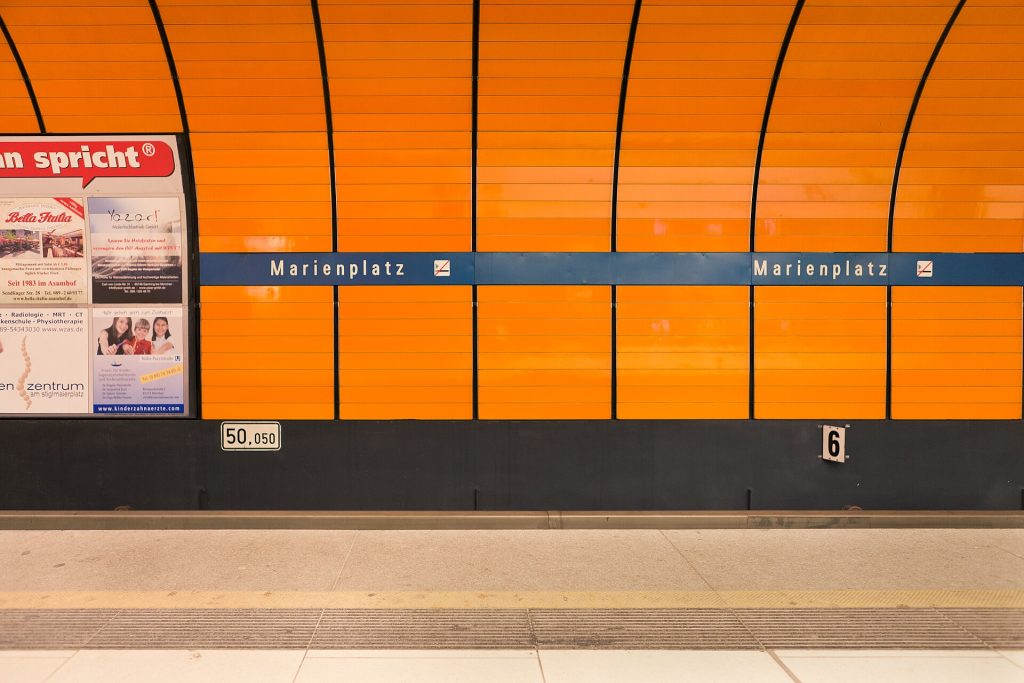
Munich, meanwhile, is Germany’s postcard face. Marienplatz, the Hofbräuhaus beer hall and Oktoberfest, which starts at the end of September, are there. What draws people is less the city itself than what is around it: two hours away are Neuschwanstein castle and the Alpine lakes, and you can go in the morning and be back in the evening.
Frankfurt is the financial city where the direct flights from Baku land; it is convenient for transit, but one day is enough for the city itself. Hamburg stays in the memory for its port and the Speicherstadt warehouses, Cologne for its enormous cathedral.
The purpose of the trip also determines the city. Those going for treatment usually choose the clinics of Munich, Berlin, Heidelberg and Freiburg, while those going to a trade fair land in Frankfurt, Düsseldorf and Hanover. If there is time left, Heidelberg, Rothenburg and Dresden are the small towns most liked for a day trip.
How do you travel cheaply by train in Germany?
Deutsche Bahn’s ICE trains go from Berlin to Munich in four hours and from Frankfurt to Cologne in one. The price depends entirely on when you buy, though: a ticket found at 20–30 euros two or three months ahead passes 100 euros on the last day. So build the route at home and buy the tickets at home.
If you are staying longer than a week, be sure to look into the thing called the Deutschlandticket. For 63 euros a month it gives you the regional trains, the metro, the buses and the trams of the whole country on one ticket. It does not apply to the fast ICE trains, but a patient person can get from Berlin to Hamburg on a regional train too.
Inside the cities the U-Bahn and S-Bahn have no barriers. You have to buy a ticket and stamp it in the yellow machine; if you have not stamped it, as far as the inspector is concerned you are travelling without a ticket, and the fine is 60 euros. FlixBus is the cheapest intercity option.
Car hire comes to 40–60 euros a day, and alongside the Azerbaijani licence they do not ask for an international one. On most of the autobahn there is no speed limit, but to enter the cities’ environmental zones you need a green sticker on the windscreen.
German food: what to eat, what to drink?
German food is heavy and not ashamed of it. In Bavaria they eat schnitzel, white sausage and pretzels. In Berlin it is currywurst, in Hamburg a fish sandwich. Potato salad and sauerkraut are everywhere. Berlin’s main street food, though, is the döner, created in its time by the Turkish community and now sold on every corner for 6–8 euros. The halal food question is easy in Germany; there are Turkish and Arab restaurants in every city. A main course in a restaurant is 15–25 euros, and coffee with cake in a café 6–8.
The tip is 5–10 per cent: when you pay you round the amount up and say it to the waiter, and they take exactly that. And do not forget cash — in the most developed country in Europe a «cash only» sign in small cafés and market stalls is still perfectly normal.
Weather, season and events
Summer passes mild, with 22–28 degrees, but rain can fall in any month, so keep an umbrella in the bag. Winter is grey and damp, the temperature stays around zero, and in Bavaria it snows.
December is the time of the Christmas markets. The Nuremberg, Dresden and Cologne markets are the most famous, and the hotels fill from November. At the end of September Oktoberfest starts in Munich, and in those two weeks hotel prices triple. In February the Cologne carnival is held, and in summer there are open-air festivals. The events calendar by region and season can be seen on the Germany.travel portal.
Read next: How is a German visa obtained? A detailed guide for citizens of Azerbaijan
What should those going to Germany for treatment or study know?
A large share of those going from Baku to Europe for treatment choose precisely Germany, for oncology, orthopaedics, cardiology and rehabilitation. The process works like this: the clinic first looks at the documents, then sends a cost estimate and an invitation, and the visa is obtained on exactly those two papers, while payment is usually wanted in advance. Spa towns such as Baden-Baden and Bad Kissingen are for thermal treatment, and people mostly go there at the rehabilitation stage. As for study, there are no tuition fees at state universities and that is what attracts people, but there is a language requirement and the blocked account condition, and that is a separate national visa subject.
Budget and tickets
A hotel is 80–120 euros in Berlin and 120–180 in Munich, and in season the price rises further. A museum is 10–20 euros, and a day ticket for city transport 9–10. When you compare in advance and buy the intercity train ticket, the same journey comes out three times cheaper.
Excluding the flight, a week-long trip fits into 800–1200 euros per person. AZAL flies direct to Frankfurt and Berlin, and Lufthansa operates too. Even so, when looking for a cheap flight to Berlin, look at the Pegasus option via Istanbul as well; sometimes it comes out at half the price. And Germany tour packages that give Berlin, Munich and Neuschwanstein in one programme put the train ticket question on the tour operator.
Frequently asked questions about Germany
Which city should a first trip to Germany start from?
From Berlin. There is a direct flight, the city is cheap and it shows the country’s history in one place. Keep Munich and Bavaria for a second trip.
Are the shops open on Sunday?
No, they are closed, nearly all of them. Only the station and airport shops work, so plan your shopping for Saturday.
Is Germany an expensive country?
Cheaper than Switzerland and Scandinavia, a little dearer than Spain and Italy. The biggest expense is the hotel, while food and transport come out good value with the Deutschlandticket.
In closing
Germany is a country that rewards the person who plans. Bought early, a train ticket comes cheap; out of season a hotel is good value. And the cities are worth weeks of walking. The visa requirements and service terms are gathered on the Germany page, and for the route and the document plan, fill in the application form.
Note: the prices and timetables here are as of the publication date and can change with the season.
