Liechtenstein is the sixth smallest country in the world, just 160 square kilometres with forty thousand inhabitants. It has no airport, and on the railway a single station is in service. The capital, Vaduz, is really one avenue. For us the interest is practical: you enter on a Swiss visa, it is two hours from Zurich, and a souvenir stamp goes into your passport on the “one more country” account. But the country justifies more than a day too. The prince’s castle looking out over the Rhine valley and the Malbun mountain resort are here. And the seventy-five-kilometre Liechtenstein Trail is a route of its own. In this article I have gathered Vaduz and the mountains in one place. How to get there, what to eat, when to go and the budget are in it too.
Liechtenstein in brief
| Capital | Vaduz, 6 thousand people; the largest town is Schaan |
| Language | German; English works everywhere |
| Currency | The Swiss franc; euros accepted in most places |
| Visa | Schengen type «C», through the Swiss embassy |
| Best time | May–October for hiking; December–March for skiing in Malbun |
| Getting there | 1.5–2 hours from Zurich by train and bus; no airport |
| Daily budget | 200–280 francs at a mid-range level |
Vaduz: the castle, the museums and the souvenir stamp
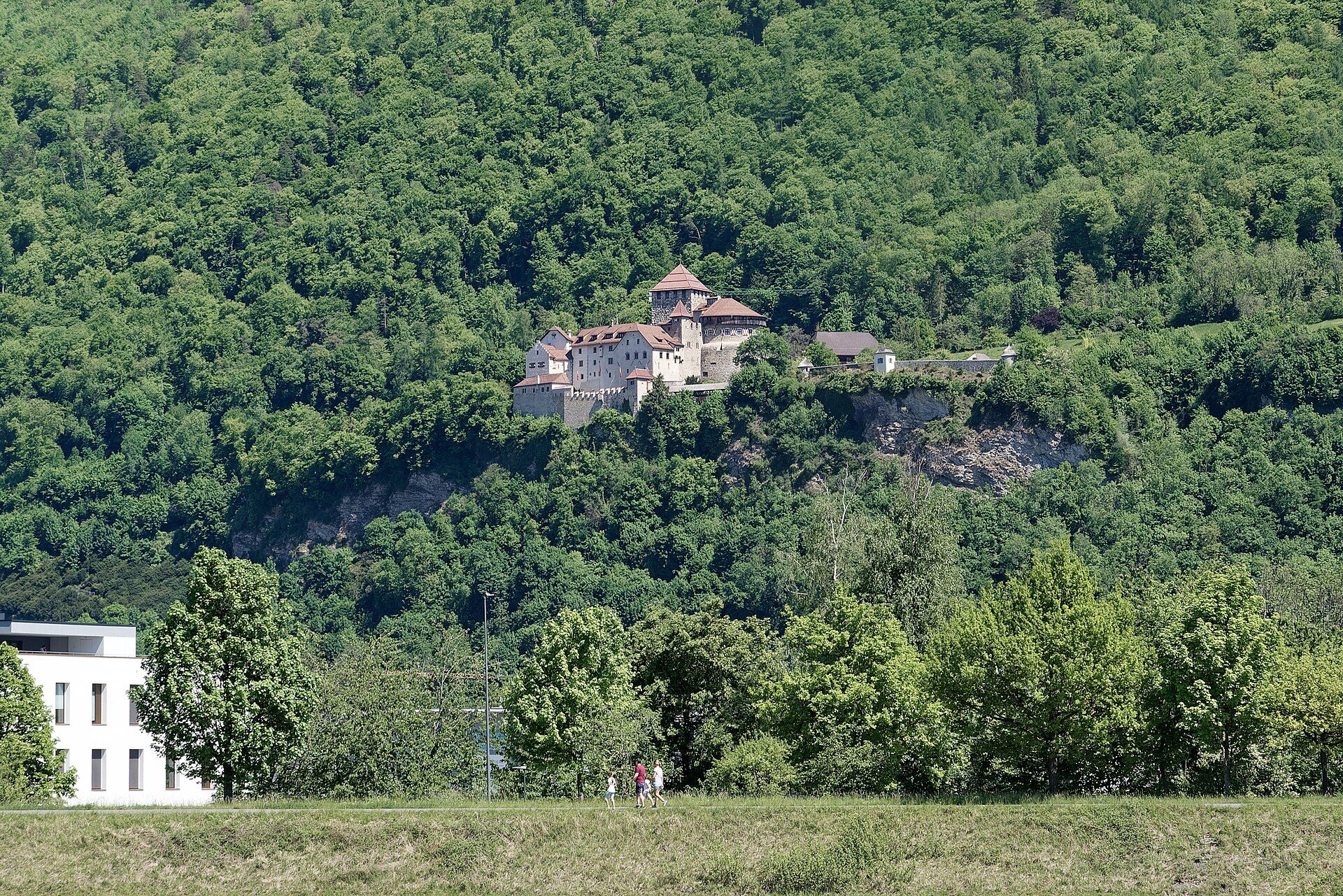
Vaduz is walked in half a day. The princely family still lives in Vaduz castle, so the inside is closed, but climbing the twenty-minute path from the centre and looking out from in front of the castle at the panorama of the Rhine valley and the Swiss Alps is the trip’s main shot. Once a year, on the national holiday of 15 August, the prince opens the castle garden to the people and treats them to beer, and half the country gathers there.
On the Städtle pedestrian avenue stands the Kunstmuseum of modern art, a cube of black concrete. The Treasure Chamber holds the princes’ crown and Fabergé eggs. The national museum is there too. The postal museum, meanwhile, is known for the country’s famous stamps. The tourist office puts a souvenir “Liechtenstein” stamp in your passport for three francs, and that is the country’s best-selling souvenir; everyone queues for it. At the end of the avenue are Parliament and the cathedral, and in August the “Vaduz Classic” festival. The Citytrain city train runs through the vineyards in thirty-five minutes, and the prince’s own winery, the Hofkellerei, offers tastings.
Malbun, Balzers, Triesenberg: the mountains of Liechtenstein
Malbun sits at sixteen hundred metres and is the country’s only ski resort. It is small and family-sized, works out cheaper than the Swiss resorts, and a day pass costs 50 francs. The children of the British royal family learned to ski precisely here. In summer the Sareis cable car and the Fürstin-Gina trail operate, and the hike from Malbun to the Pfälzerhütte mountain hut starts there as well.
Triesenberg is a mountain village with a Walser German dialect. Above Vaduz it has a viewing terrace and the Walser museum.
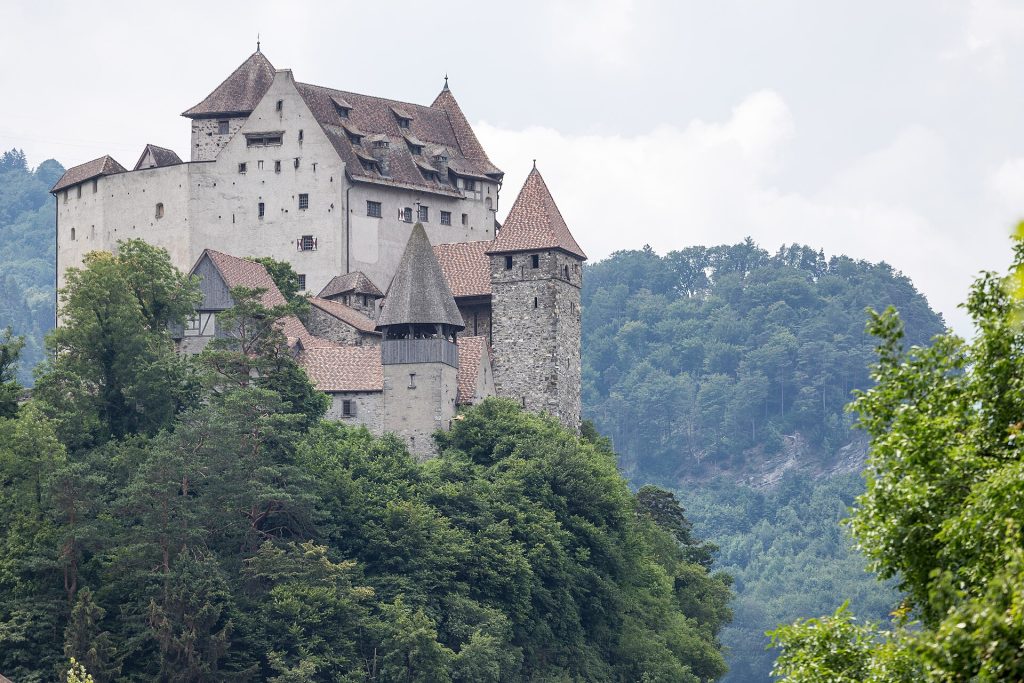
In the south, in Balzers, Gutenberg castle stands on a hill and is worth a walk for its garden and its view. The nearby Rhine bridge is a pedestrian crossing into Switzerland, and in the middle of the bridge one of your feet is in one country and the other in another.
The Liechtenstein Trail links all eleven of the country’s municipalities over seventy-five kilometres and is walked in sections over three to five days; it has its own app. The cycle path along the Rhine is flat and comfortable, and rental bikes are in Vaduz. In the north the Ruggell marsh reserve is for birds. From one end of the country to the other is forty minutes by bus; getting lost is impossible.
How to get to Liechtenstein and the LIEmobil buses
The country has no airport; the nearest is Zurich, 120 kilometres away. From Zurich the train to Sargans or Buchs station takes an hour, and from there the LIEmobil bus brings you to Vaduz in 20–30 minutes; the Swiss Travel Pass covers these buses too.
For those coming from the Austrian side, the bus from the town of Feldkirch takes thirty minutes, which suits the Innsbruck and Munich direction. The country’s own station, Schaan-Vaduz, serves only the Feldkirch–Buchs regional trains.
The yellow LIEmobil buses cover every village, a day ticket is 8 francs, and Vaduz to Malbun takes thirty minutes. Those coming by car need the Swiss motorway vignette, which costs 40 francs; inside the country there is no vignette, and parking in Vaduz is paid. There is no border check, the country is inside Schengen, and the Swiss customs post has stayed on as a formality.
The food: Käsknöpfle and Ribel
The cuisine is Alpine and Swiss-Austrian border cooking. Käsknöpfle are cheesy dough dumplings served with fried onion, and that is the national dish. Ribel is a porridge cooked from maize flour and eaten with milk or apple purée. “Hafalaab” is a soup of flour dumplings, and Vaduz wine and Alpine cheeses round out the table.
Restaurants are expensive at Swiss level. Lunch costs 25–35 francs and dinner 45–70. On Vaduz’s Städtle avenue there are cafés and traditional restaurants such as the Adler and the Torkel, and in Malbun the mountain huts.
There is no halal restaurant. Vegetarian Käsknöpfle and fish options remain, and the Turkish restaurants in Feldkirch and Buchs are close by. The Coop and Denner supermarkets are for a picnic, and the Rhine bank and the castle path are the ideal spots for one. The tap water is Alpine water.
Read next: A Liechtenstein visa is obtained from the Swiss embassy: every detail of a trip to Vaduz
Season and weather
May to October is the hiking and Rhine cycling season, with 20–27 degrees in the valley and fifteen in Malbun. July and August are the busiest period, and on the fifteenth of August, the national holiday, Vaduz fills up and there are fireworks. September, with the grape harvest and settled weather, is the best month.
From December to March there is skiing in Malbun, and at the start of December the Christmas market is set up in Vaduz.
April and November count as the “dead season”: the Malbun cable car is closed and Vaduz stays quiet and cheap. The föhn wind brings warm air into the valley all at once, and that happens in winter too. Trail and event information is on the Liechtenstein Tourism portal.
Budget and tickets
A hotel in Vaduz costs 150–250 francs and a mountain hotel in Malbun 120–200, while village guesthouses come down to 100–150. The youth hostel in Schaan is 50 francs and is the only real option in the country for anyone looking for a cheap bed. Many travellers stay in Feldkirch or Buchs altogether for 80–120 euros and come over for the day; honestly, that is a sensible route too.
Entry tickets are cheap. The Kunstmuseum charges 15 francs, the Treasure Chamber 8, the Citytrain 15 and the Malbun cable car 20, and the famous souvenir stamp is 3 francs.
A day trip from Zurich fits into 100–150 francs including transport, and a two-night trip into 500–700. From Baku, Turkish Airlines flies to Zurich via Istanbul, and an air ticket to Zurich is bought as part of a Switzerland trip in any case; coming separately makes no sense. Switzerland and Liechtenstein tour packages linking Lucerne, St Gallen and Vaduz give you two countries on one visa in a single itinerary.
Frequently asked questions about Liechtenstein
How many days do you need for Liechtenstein?
Vaduz and the castle take half a day, and with Malbun or Balzers, one day. For hiking and skiing, two or three days.
Do you need a separate visa?
No, it is a Schengen visa. If the main trip is Switzerland, it is obtained from the Swiss embassy and covers Liechtenstein; you can also enter as part of an Austrian trip.
Can you pay in euros?
Yes, most shops and restaurants accept euros and give the change in francs. Cards work everywhere and cash is hardly needed.
In closing
Liechtenstein is the easiest way to add a day to a Switzerland trip and write a new country into your passport, while Malbun and the trails are worth staying for. The visa rules are explained on the Liechtenstein page, and to build the Switzerland and Vaduz route together fill in the application form.
Note: the prices here are as of the publication date and can change with the season.
