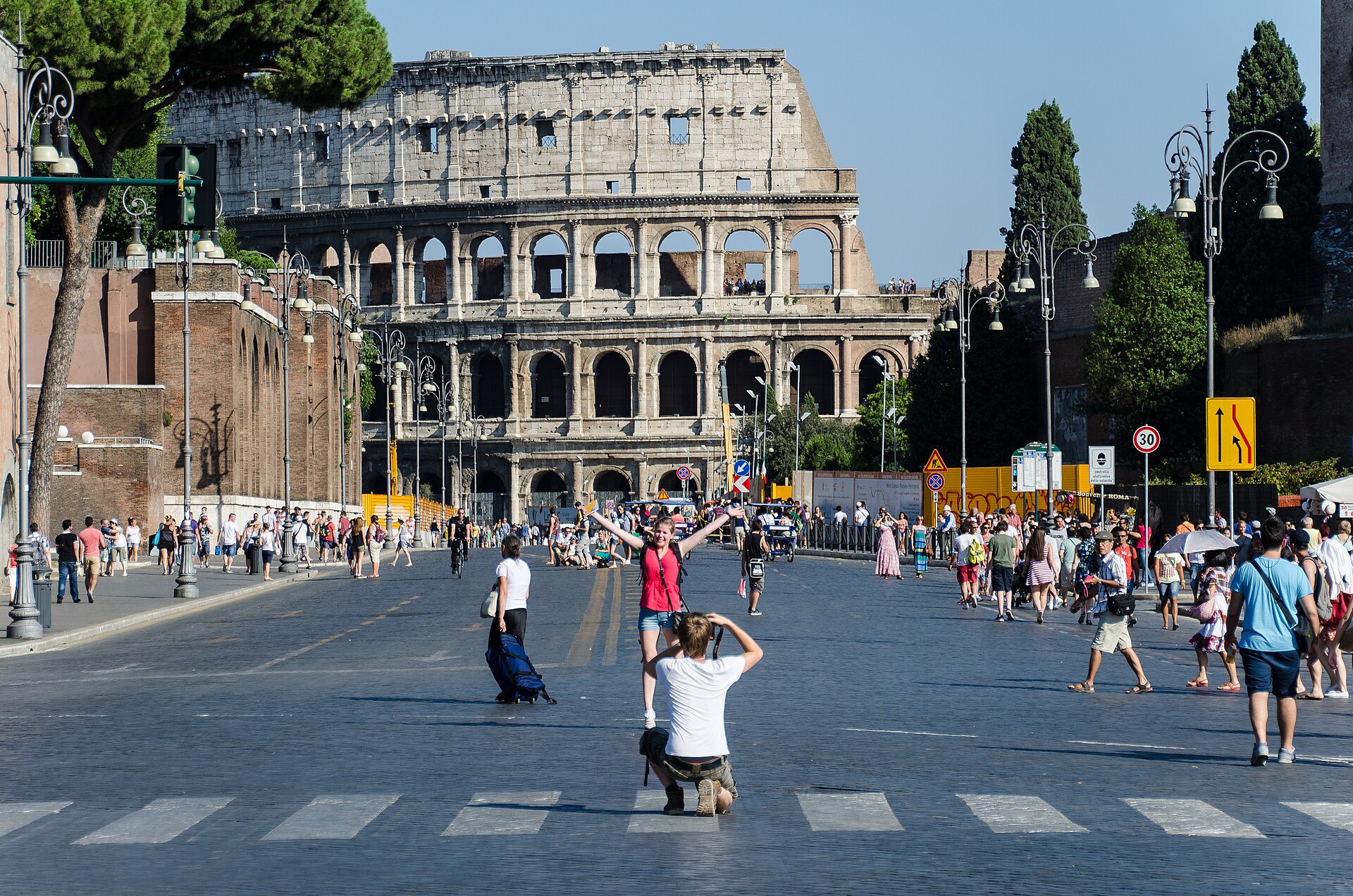
Italy is the most loved destination for Schengen trips from Baku, and the reason is simple. Rome, Florence and Venice are on one high-speed line, Wizz Air flies cheaply, the food is the best in the world, and the sea, the lakes and the mountains are in the same country. But it is exactly this richness that leads to the mistake: someone who fits five cities into one week sees none of them and passes them all by the train window. In this article I have gathered the classic route, the regions and the train and ZTL rules. The food, the thermal spas, the season and the budget are in it too.
Italy in brief
| Capital | Rome |
| Language | Italian; English works in tourism |
| Currency | Euro; cards everywhere, cash in the small cafés |
| Visa | Schengen «C» visa, through VFS Global in Baku |
| Best time | April–June and September–October |
| Flights | Baku–Rome and Baku–Milan direct, Wizz Air and AZAL, 5 hours |
| Daily budget | 120–170 euros at a mid-range level |
The classic route: Rome, Florence, Venice
Set aside three or four days for Rome. Buy the ticket for the Colosseum and the Roman Forum on the official site weeks ahead. Go into the Vatican Museums and the Sistine Chapel in the first hour of the morning, because in the afternoon you cannot breathe in the chapel. St Peter’s basilica, the Pantheon and the Trevi fountain link up on one route, and spend the evening in the Trastevere quarter. The city is walked, and by nightfall your feet ache.
Florence takes two days. You climb the dome of the Duomo, buy the Uffizi ticket in advance, and the statue of David is in the Accademia. Walk over the Ponte Vecchio and watch the sunset from Piazzale Michelangelo. The Tuscan villages, that is Siena, San Gimignano and the Chianti wine road, take a day by car or on a tour.
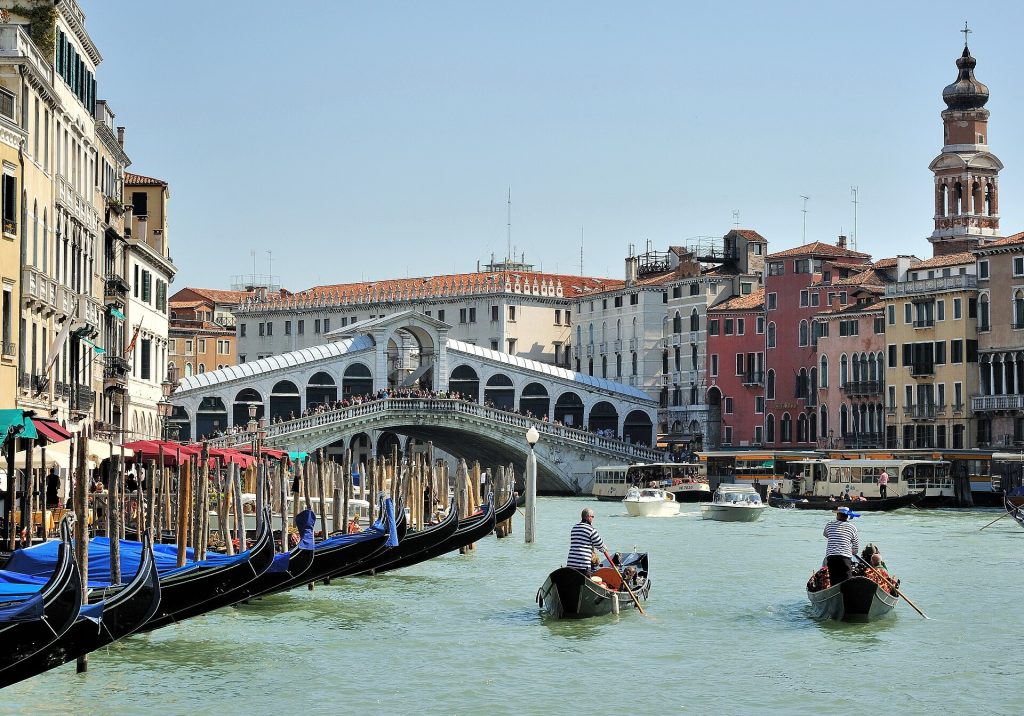
Venice is two days, and stay the night there; once the day-trippers have gone the city is something else entirely. St Mark’s Square and basilica are the heart of the city. The Doge’s Palace and the Rialto bridge are nearby. See the Grand Canal by vaporetto. Cross to the islands of Murano and Burano too. For day visitors a five-euro city charge applies on certain dates. Rome, Florence and Venice are an hour and a half and two hours apart by high-speed train.
The regions of Italy: Amalfi, Como, Milan, Sicily
Naples is the homeland of pizza and the gateway to Pompeii. On the Amalfi coast Positano and Ravello, and the island of Capri, give you Italy’s most beautiful sea views from May to September. Buses and ferries run on the coast road, while a car becomes a burden there, because the road is narrow and there is no parking.
Milan means fashion and the Duomo, the ticket for Leonardo’s «The Last Supper» fresco has to be bought months ahead, and a day is enough for the city. Lake Como is an hour from Milan, and you cross to the villages of Bellagio and Varenna by ferry. Cinque Terre is five coloured fishing villages joined by the railway, and in summer it gets very crowded.
Bologna is the country’s gastronomic capital, Verona is known for Romeo and Juliet, and Turin for chocolate and its Egyptian museum. The Dolomites are for walking in summer and skiing in winter.
Sicily, with Palermo, Taormina and Mount Etna, demands a week of its own, while Sardinia has the cleanest water in the Mediterranean. Puglia in the south, with the trulli houses of Alberobello and white Ostuni, has become the discovery of recent years, and it is still cheap on top of that.
Transport in Italy: Frecciarossa, regional trains and the ZTL
Trenitalia’s Frecciarossa and its rival Italo’s high-speed trains take an hour and a half from Rome to Florence, three hours to Milan and an hour to Naples. The two companies’ prices differ for the same hour, so check the two side by side.
The tickets open two or three months ahead. Booking early you pay 20–30 euros and late 80–100, and the seat is sold with the ticket. The regional trains are cheap, but do not forget one rule: a paper ticket has to be stamped in the green machine on the platform, and whoever does not stamp it gets a fine — «I did not know» does not work here.
Within the cities Rome and Milan have a metro, while Florence and Venice are walked. In Venice a twenty-four-hour ticket for the vaporetto water bus is 25 euros.
A car is only needed for Tuscany, Puglia and Sicily. The historic centres are ZTL restricted zones, the cameras record every entry with a 100-euro fine, and the fine arrives in Baku a year later, so do not drive in without your hotel registering you. The motorways are tolled. Uber works only in Rome and Milan, and the taxis run on the meter and are called by app.
Food: Italy region by region, and halal
There is no single thing called Italian cooking, there are regional cuisines. In Rome you eat cacio e pepe and carbonara, in Naples a pizza margherita sells for 5–8 euros, in Bologna there is ragù and tortellini, and in Florence the T-bone steak. In Venice seafood and cicchetti snacks, in Sicily arancini and cannoli, and in Milan risotto and the aperitivo hour await you, where you buy one drink and the buffet is free.
Know two customs too. Cappuccino is drunk only in the morning, and whoever orders one in the afternoon is instantly recognised as a tourist. Lunch is served from half past twelve to half past two and dinner after half past seven, and in between the kitchen is closed.
A table charge called «coperto» of 2–3 euros is written on the bill and that is normal, while a tip is not expected. A «trattoria» two streets away from the tourist square works at half the price, where lunch is 15–20 euros and dinner 30–45.
Halal food is found in Rome around Esquilino and Termini, in Milan look at the Porta Venezia district, and every city has kebab shops. Pizza, pasta and seafood are no problem anywhere anyway. Gelato is compulsory once a day, costs 3–4 euros, and you should simply accept that as a rule.
Read next: An Italy visa: VFS Global, the requirement for a full itinerary and a cheap flight with Wizz Air
Season and thermal spas
April-June and September-October are the ideal months, the weather is 20–28 degrees and the queues are bearable.
In July and August the temperature in Rome climbs to 35–38 degrees and Venice fills with crowds. The fifteenth of August is the Ferragosto holiday, when the Italians themselves are away and many restaurants close, while the coast lives its most expensive time.
From November to March the country is cheap and quiet. The «acqua alta» floods in Venice fall in November-December, in winter the weather in Rome stays at 10–15 degrees and the museums are empty.
The thermal spas are Italy’s little-known advantage. Abano and Montegrotto near Venice make up the largest mud-treatment centre in Europe. On the island of Ischia, in the bay of Naples, there are thermal parks. In Tuscany Saturnia gives you free natural thermal waterfalls. Montecatini is the classic spa. Bormio is in the Alps and is known for its hot pools under the snow in winter. Regional and event information is on the Italia.it portal.
Budget and tickets
In Rome a three-star hotel is 120–180 euros, in Florence 130–200 and on the island of Venice 150–250, while over in Mestre the price halves, and in Naples it is 80–120. The city tourist tax adds 3–7 euros a night.
As for the museums, the Colosseum is 18 euros, the Vatican Museums 20, the Uffizi 25 and the dome of the Duomo 30. In summer going to those three without buying a skip-the-line ticket means two hours of queuing. Excluding the flight, a ten-day trip fits into 1,400–2,000 euros per person.
Wizz Air flies cheaply from Baku to Rome and Milan, and AZAL operates a direct flight too. An air ticket to Rome starts from 100 euros without luggage on Wizz Air, so count the luggage separately — sometimes it costs more than the ticket. Classic Italy tour packages linking Rome, Florence and Venice by high-speed train settle the museum tickets and the train seats in advance, and in summer that is the greatest advantage of all.
Frequently asked questions about Italy
How many days does Italy need?
Rome four, Florence two, Venice two — an eight or nine-day classic route. With Amalfi or Como twelve days, and Sicily is a trip of its own.
Is Rome safe?
Yes. The main risk is pickpocketing at Termini station, on the number 64 bus and around the Trevi fountain; keep your bag in front of you and do not go near the people offering «free» bracelets and flowers.
Which route with a child?
Rome and Lake Como or the Amalfi coast. The Gardaland amusement park is near Verona, while Venice is difficult with a pushchair because of the bridges.
In closing
Italy, with a cheap direct flight, high-speed trains and the best food in the world, is the fullest option for a Schengen trip, and whoever goes by the principle of fewer cities and more days sees the real Italy. The visa process is explained on the Italy page, and to build the classic route or a thermal spa plan together, fill in the application form.
Note: the prices here are as of the publication date and can change with the season.
