Heraklion is the largest city on Crete and the island’s front door. I will say it plainly: the city itself is not what the island postcards show — there is a harbour here, traffic and ordinary life. But two things make it matter. Knossos is a few kilometres away, and every route on the island starts here. One day for the city, the rest for the coast: that is the right division.
Knossos and the archaeological museum
Knossos is considered the oldest city centre in Europe and is more than four thousand years old. It was the heart of the Minoan civilisation, and the legend of the labyrinth comes from exactly there. Part of the palace was restored and painted a hundred years ago, which archaeologists still argue about. It is twenty minutes from the city by bus.
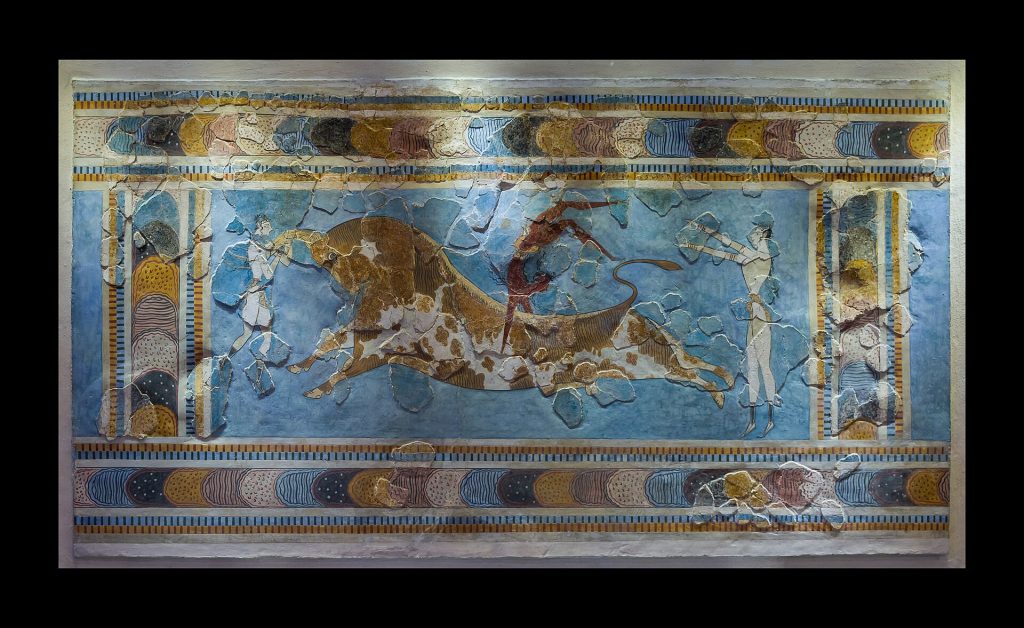
The archaeological museum is in the city centre, and the real frescoes found at Knossos are kept there. What you see at the palace are copies; the originals are in the museum. So visit both on the same day, in that order — palace first, museum after. A single ticket covers them both and costs less than buying them separately.
The Venetian harbour and the old town
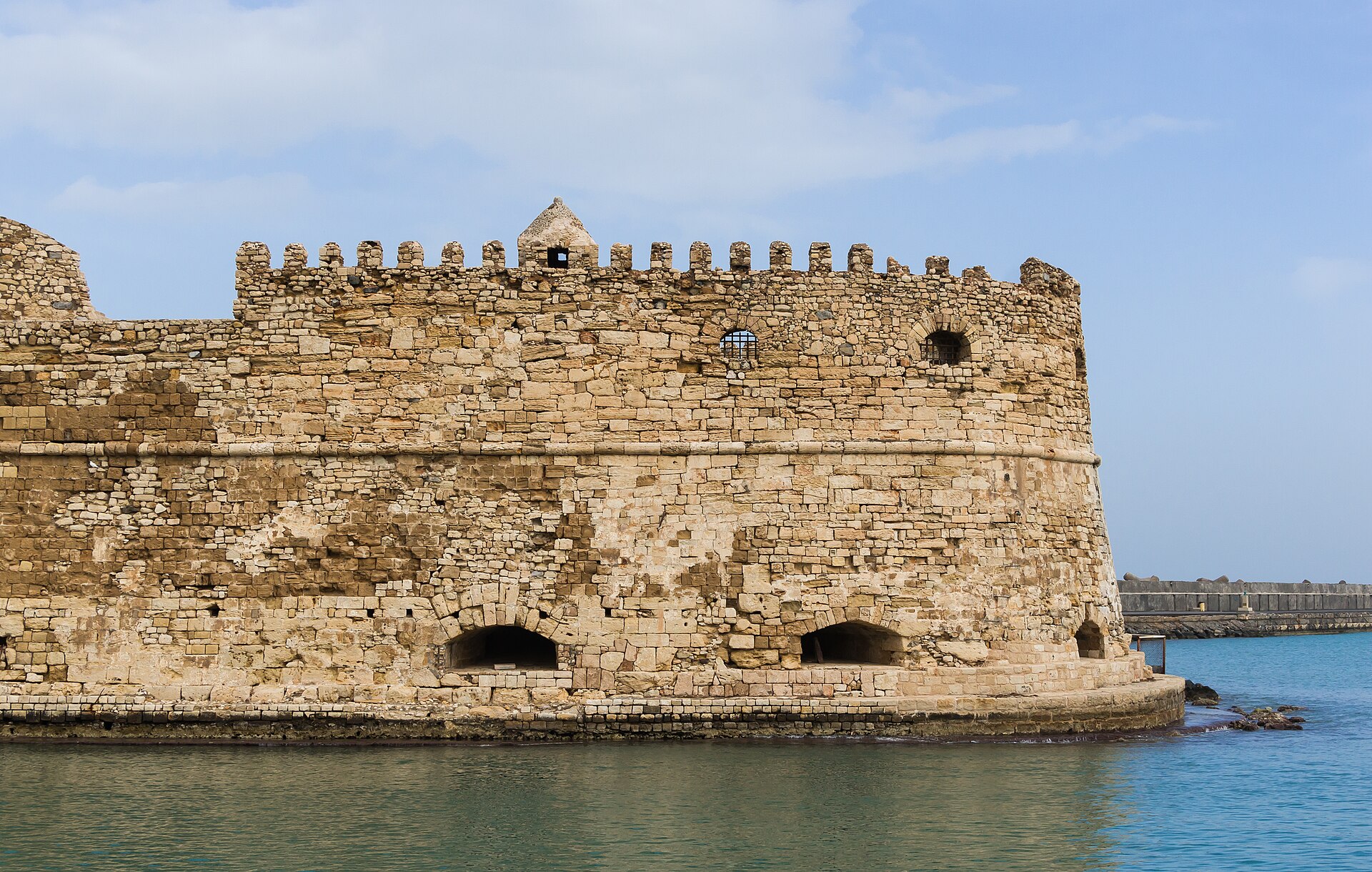
The Koules fortress in the harbour is left from the Venetians and stands at the end of the breakwater. The city walls are from the same period and have a walking path along the top. The area around the Morosini fountain on the central street comes alive in the evenings. The grave of Nikos Kazantzakis is up on the wall, and the whole city is visible from there.
Beaches and villages around Heraklion
The swimming in the city itself is poor; the real beaches are outside it. Eastwards, Hersonissos and Malia are touristy and loud. Westwards, Agia Pelagia is quieter. The island’s most famous spots are further off: Elafonissi is known for its pink sand and the Balos lagoon for its colour, and both are more than three hours away.
Crete is a big island and the buses only run on the main lines. If you want to see several beaches, a car is close to essential. If you are travelling as a group, a transfer booked in advance works out cheaper from the airport than arranging one at the hotel. Taking the day boat trips and excursions in advance settles the question of finding a place in summer. Demand for flights rises sharply in the summer season, so taking flight tickets before the season starts is the better deal.
Food and prices in Heraklion
Cretan cooking differs from the rest of Greece, and olive oil is in every dish here. Dakos, a salad on dry bread, is the local classic. The fish in the harbour restaurants is fresh, but the price is worked out by weight — ask before you order. Lunch in a taverna costs 12–20 euros.
A three-star hotel in the city is 60–100 euros, and 80–150 euros at the coastal resorts. The combined Knossos and museum ticket is around 20 euros. Outside the season prices drop by half. Official island information is on the Incredible Crete site.
The season in Heraklion
The swimming season runs from the end of May to the middle of October. June and September are the best-balanced months — 26–30 degrees, with warm water. July and August climb to 35 and the island fills up. In winter a great deal closes, but Knossos and the museum are open all year.
A last word
Heraklion is not a city to look at, it is a base, and its value lies in Knossos and in the roads that open onto the rest of the island. Put the palace and the museum on the same day, plan a car or a transfer for the coast, and set the trip for June or September. For a visa and a route, fill in the application form.
Note: the prices in this article are those at the time of publication and may change with the season.
