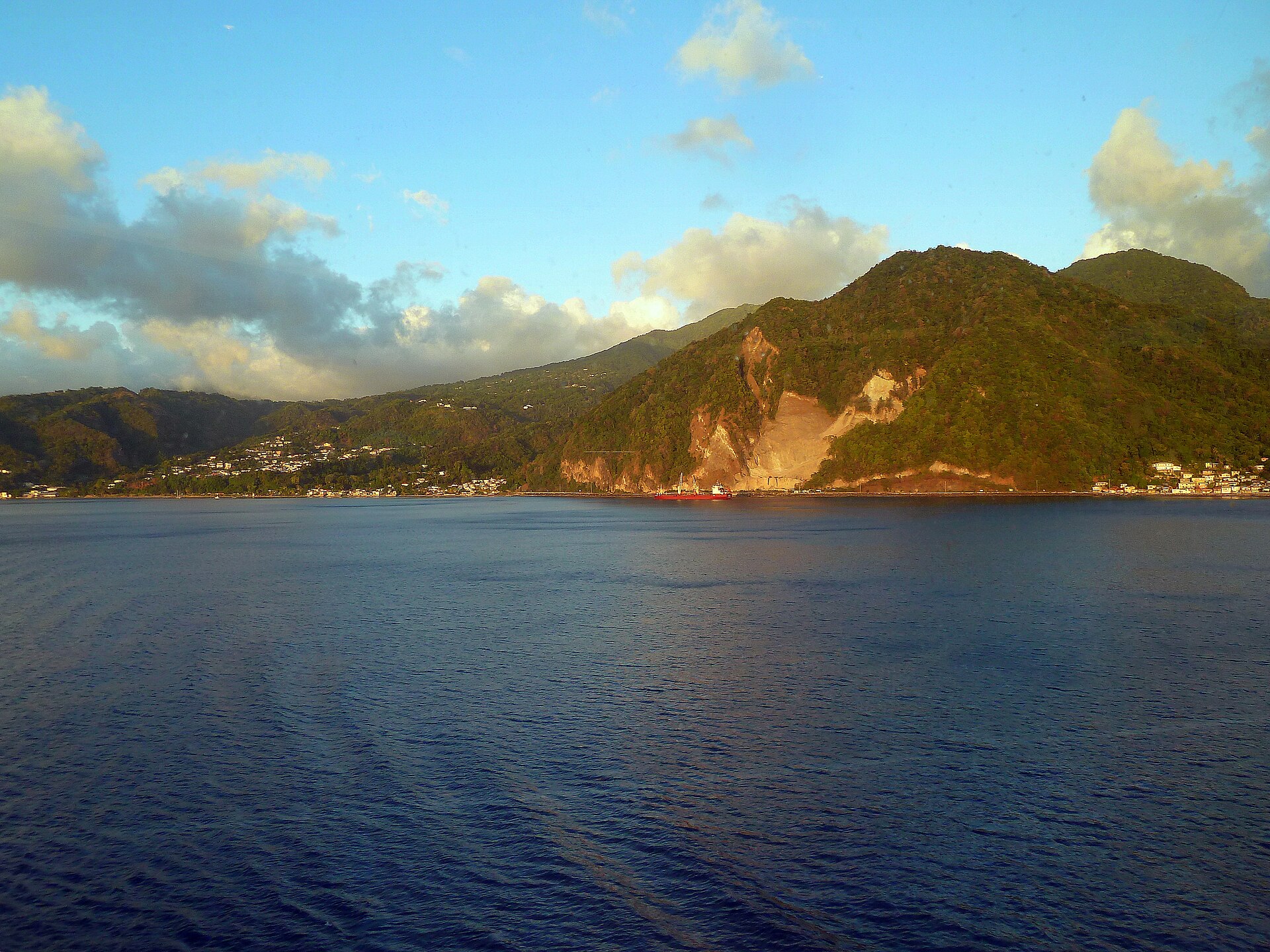
Dominica is one of the least touristy islands in the Caribbean, and that is precisely what makes it valuable. It is not for people looking for a giant resort, a casino and a white sand beach; it is for people looking for rainforest, waterfalls, a volcanic lake and hot springs. It is often confused with the Dominican Republic, even when booking tickets, whereas this is an entirely different country: small, green, English-speaking and visa-free for citizens of Azerbaijan. In this article I answer the questions of what to see, how to get there, how to get around the island, what to eat and when to go.
Dominica in brief
| Capital | Roseau |
| Language | English; Creole in everyday life |
| Currency | East Caribbean dollar (XCD), 1 US dollar = 2.7 XCD; US dollars accepted everywhere |
| Visa | 21 days visa-free for citizens of Azerbaijan |
| Best time | December–April dry season; June–November hurricane season |
| Flight | No direct flight: via Antigua, Barbados or Guadeloupe |
| Daily budget | 120–180 dollars at a mid-range level |
What to see: Dominica is the “nature island”
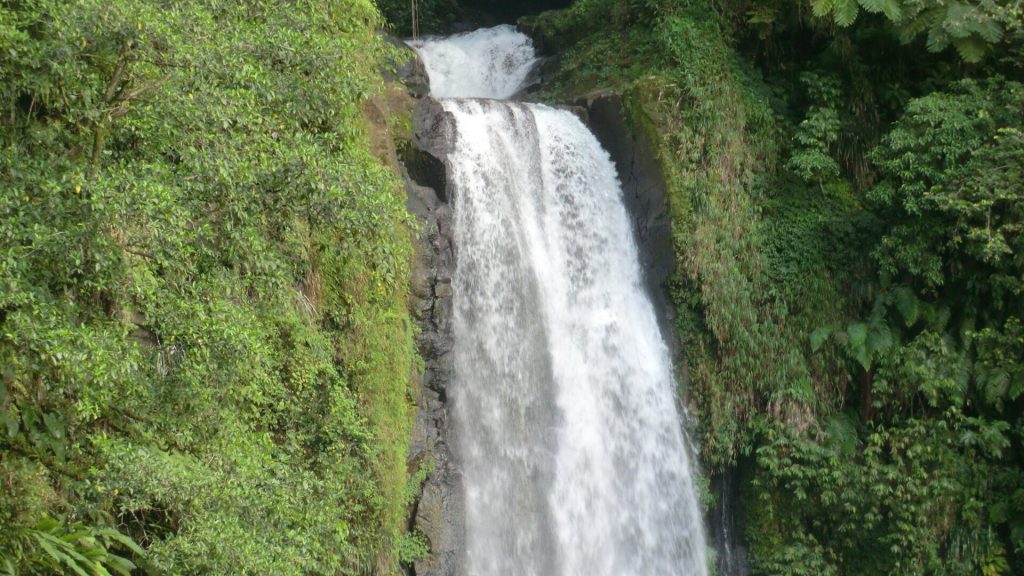
The island’s heart is Morne Trois Pitons national park, on the UNESCO list. The Boiling Lake is the second largest boiling volcanic lake in the world; it is a hard six-to-eight-hour hike, done with a guide, and people come back with aching legs saying it was worth it. The Trafalgar falls, two waterfalls called “Mother” and “Father”, are fifteen minutes from the road, and Emerald Pool is the easiest place to swim inside the forest. Champagne Reef is where volcanic gases come up from the seabed in bubbles, and snorkelling there is like swimming inside a glass of champagne.
Scotts Head at the southern tip is the headland where two seas meet, calm on one side and rough on the other. On the Indian River there is a boat tour through mangrove forest, and part of the Pirates of the Caribbean film was shot right there. The Kalinago Territory is the region where the last indigenous people of the Caribbean live. The Waitukubuli National Trail runs 185 kilometres and is the longest hiking route in the Caribbean islands; few walk all of it, and it is done in sections.
Dominica’s hot springs and wellbeing
As a volcanic island, Dominica is full of sulphurous hot springs, and that makes it the natural spa centre of the Caribbean. The village of Wotten Waven is twenty minutes from Roseau and has several small hot pools, with entry at 5–10 dollars. Sitting in hot water at dusk inside the forest, in the dark, to the sound of the crickets, is the island’s most memorable experience, and no resort can give you that. The Sulphur springs are on the seashore in the village of Soufrière. Many guesthouses have their own hot pool. Local people have used the sulphurous water for the skin and the joints for centuries, but anyone with a heart condition should talk to a doctor first.
How to reach Dominica and get around the island
From Baku the most convenient route starts with a flight to London. From there you cross to Antigua or Barbados with British Airways or Virgin Atlantic, and then a small regional plane brings you to Douglas-Charles airport in 40–50 minutes. On this route a British transit visa may be required.
The alternative is to fly from Paris to Guadeloupe and come on to Roseau from there by ferry in two hours, but Guadeloupe is French territory and requires a Schengen visa. A new international airport is being built on the island, and once it opens, direct long-haul flights will be possible.
On the island public transport means small minibuses: cheap, but they do not run to a timetable. The most comfortable option is car rental at 50–70 dollars a day, with the local temporary permit costing 12 dollars. Traffic drives on the left and the roads are narrow and mountainous, so do not hurry. A day tour by taxi comes to 150–200 dollars.
The food: a Creole spirit
The national dish was once a large frog known as the “mountain chicken”; it is now protected and rarely reaches the table. Everyday cooking is Creole in style. Callaloo is a green leaf soup. Fish and grilled chicken are the main dishes. Sides of plantain and yam are served, along with a spiced sausage. On Saturdays the Roseau market fills with tropical fruit, and in the fishing villages of the south fresh tuna and mahi-mahi are grilled right on the shore. Local rum and cocoa tea are the island’s drinks. Lunch at a restaurant is 10–15 dollars and dinner 25–35; what is expensive is imported goods, while local fruit and fish are cheap. There is practically no halal restaurant, and fish and vegetable options are available everywhere.
Season: the dry months and the hurricane risk
December to April is the dry season. The weather is 26–30 degrees, there is little rain, and this is the peak of tourism, with Carnival held in February and March.
May and June are a transitional period. From July to November the rain and hurricane season begins, and September and October are the riskiest months. In 2017 Hurricane Maria did severe damage to the island, so do not go without insurance.
The rainforest stays damp with short downpours at any time of year. The bulk of your case should be rain gear and hiking boots, not beachwear. Information on trails, park tickets and events is on the Discover Dominica portal.
Budget and tickets
In Roseau a guesthouse is 60–100 dollars and an eco-lodge in the forest 120–250, while a resort on the coast starts at 250. The island is small but the roads are slow, so choose where to stay according to your route.
Entry tickets are cheap. A weekly national park ticket is 12 dollars, a Boiling Lake guide 50–80, and snorkelling at Champagne Reef 20. Leaving out the flight, a week’s trip fits into 1200–1800 dollars a head, and the main expense is precisely the flight.
From Baku every route has at least two connections, and a ticket to the Caribbean is found by comparing the London and Paris options. Caribbean islands tour packages linking the island with Antigua and Barbados settle the regional flights and ferries together.
Frequently asked questions about Dominica
Are Dominica and the Dominican Republic the same place?
No, they are not. The Dominican Republic is a large Spanish-speaking country with the resorts of Punta Cana, while this island is a small, English-speaking nature island. When you book a ticket, look at the airport code: it should be DOM, not PUJ.
Are there beaches?
There are, but most have black volcanic sand. For anyone looking for white sand, Antigua and Barbados are a better fit.
How many days do you need?
Five or six days for the main waterfalls, the Boiling Lake, Champagne Reef and the hot springs. As part of a Caribbean itinerary, three days is possible too.
In closing
Dominica is far from mass tourism and is the most original island in the Caribbean for anyone who loves hiking, waterfalls and hot springs. The visa-free entry rules are gathered on the Dominica page, and to build the flight route together fill in the application form.
Note: the prices here are as of the publication date and can change with the season.
