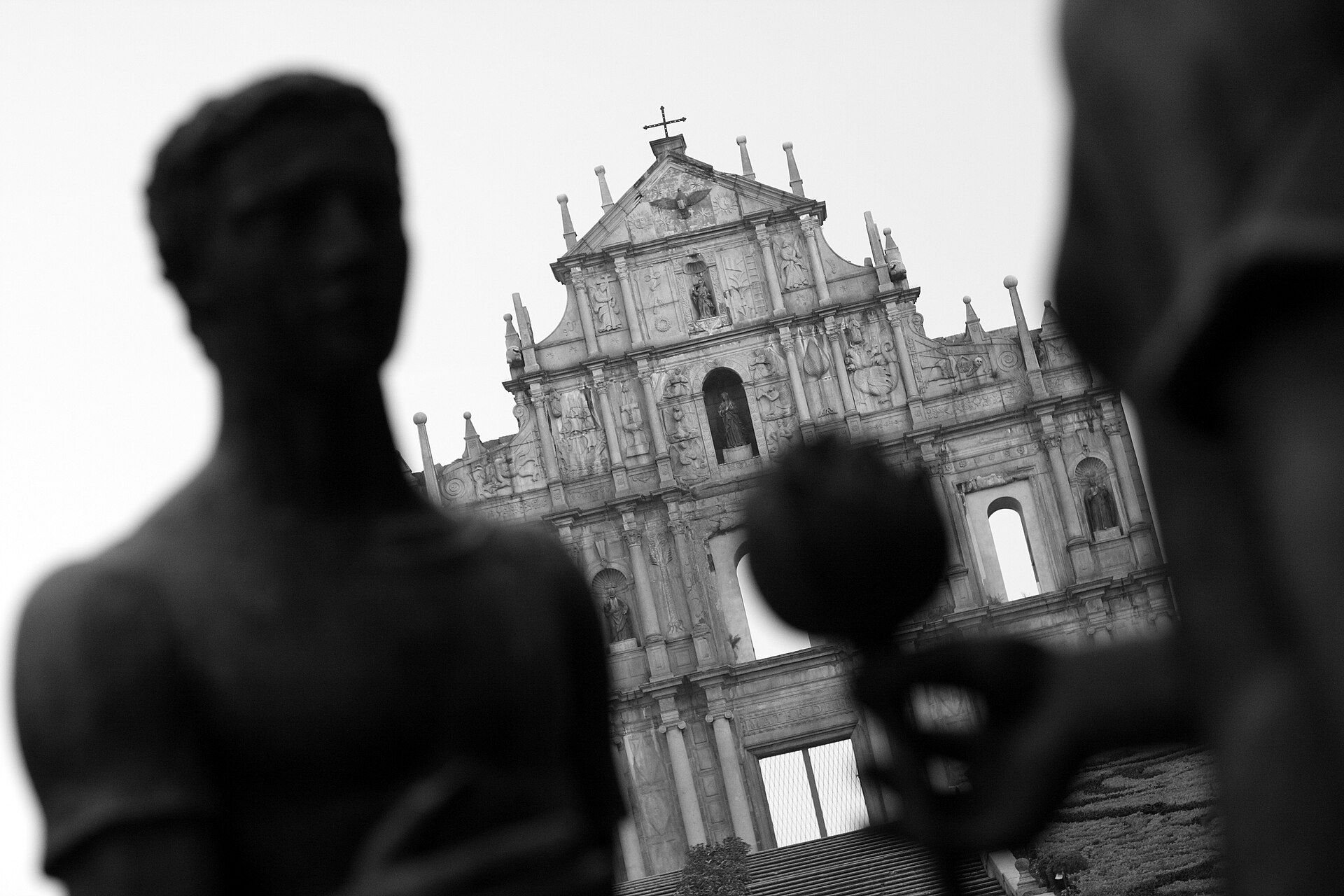
Macau is a special administrative region of China and stayed under Portuguese rule for more than four hundred years. The result is that a Chinese temple and a baroque church stand on the same square here, and the street names are still in two languages. Most people know it only as a casino city, whereas its old centre is on the UNESCO list. Below I have written the one or two days and the entry rule.
Entry and the visa for Macau
Citizens of Azerbaijan are not on the visa-free list, but they can get a visa at the border and the permission is given for up to thirty days. The fee is paid on the spot and there are single-entry and multiple-entry options. A return ticket and confirmation of accommodation may be asked for.
Although Macau is part of China, it has a separate border regime. That means that even if you enter mainland China visa-free, the crossing to Macau counts separately and a new entry is opened when you return to China. From Hong Kong you can come in an hour by boat or over the bridge.
The old centre and the ruins of St Paul’s
Senado square is paved with wave-patterned Portuguese stones and is the heart of the city. The pastel-coloured buildings around it recall a street in Lisbon. The road leading up from the square brings you straight out at the facade of St Paul’s church.
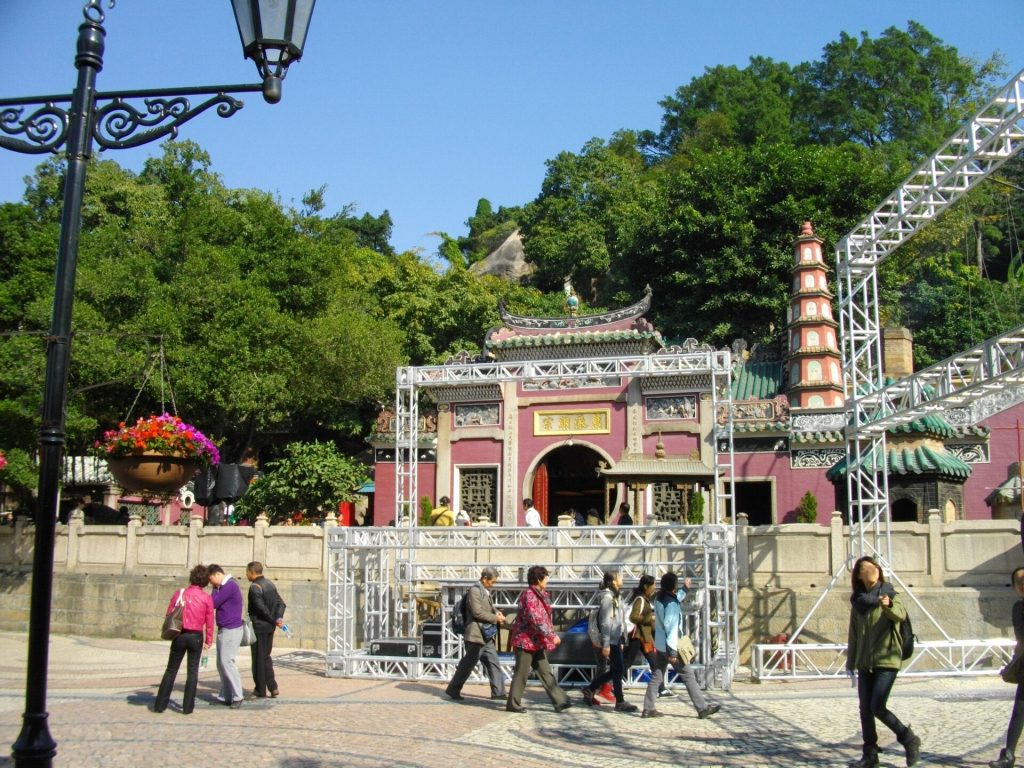
Of that church only the front wall remains, the rest was destroyed in a fire, and this facade is now the city’s symbol. From Monte fort beside it the whole city is visible. The A-Ma temple is the city’s oldest building and gave the city its very name.
Cotai, the tower and Portuguese cooking
The Cotai strip is the new Macau, with its enormous casino complexes, imitation Venetian canals and theatre shows. Going into a casino is not compulsory; the insides of the buildings are a spectacle in themselves. Free hotel buses run between the two parts and tourists use them freely.
One of the world’s highest jumps is organised from the Macau tower, and watching is free. In the food, the thing that must be tried is the Portuguese egg tart, and also Macanese cooking, which joins the Chinese and Portuguese methods. Comparing city and old centre tours in advance saves time on a short trip.
Transport and budget in Macau
The city is small and the old centre is walked entirely on foot. The new light metro runs towards Cotai and the airport. The local currency is the pataca, but the Hong Kong dollar is accepted everywhere, and change is often given in patacas.
| Three-star hotel | 70–130 dollars a night |
| Visa on arrival | Up to 30 days, paid on the spot |
| Boat from Hong Kong | About an hour |
| Hotel buses | Free, between the casinos |
At the weekend prices double, because of the flow from the mainland, so compare hotels with weekday dates. There is no direct flight; you go via Hong Kong or Dubai, so check ticket prices in the Hong Kong direction in advance. Official tourism information is on the Macao Government Tourism Office site.
Season in Macau
October–December is the best time, the weather is 20–26 degrees and dry. March–May is humid and there is a lot of fog. June–September is hot, rainy and the typhoon season, and boat crossings can be stopped because of the weather. January–February is cool, while in the Chinese New Year week the city fills up completely and prices rise sharply.
Conclusion
Macau is a rare place for those who want to see Europe and Asia side by side in a single day. Combine it with Hong Kong, go to the old centre in the morning, keep Cotai for the evening, and avoid the Chinese New Year week. If you want to build an East Asian route with a ready-made package, you can look at the tour options. For a route and a visa, fill in the application form.
Note: border rules and fees may change, so check from an official source before travelling.
