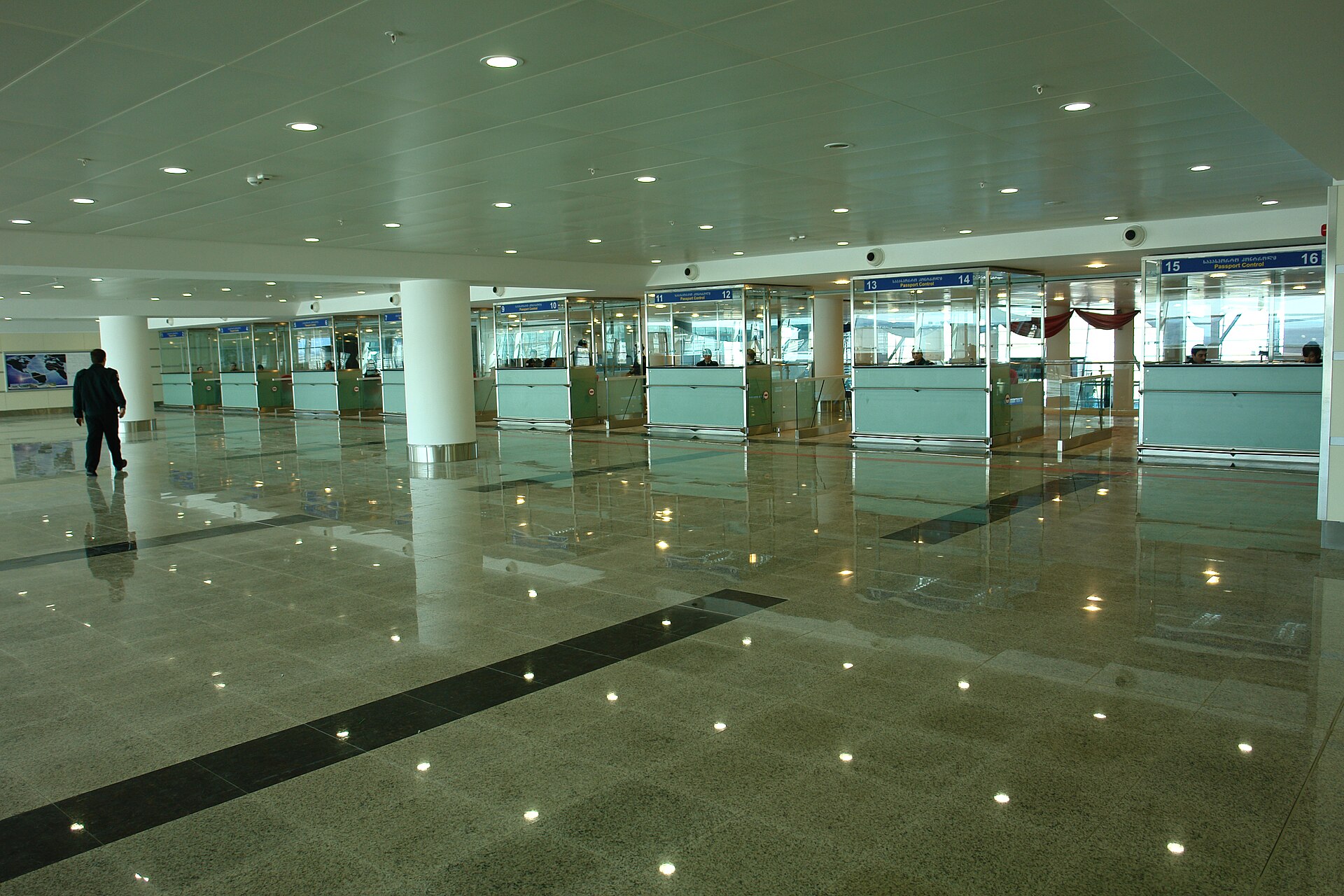
When people get a visa they consider the matter closed, whereas the last word is said at the border. Your visa is permission to travel as far as the country; the decision to let you in is made by the border officer. Although it is rare, it happens to thousands of passengers every year and the reason is often simple unpreparedness. Below I have written why refusal of entry happens and how to prevent it.
A visa is not a guarantee of entry
This rule is almost the same in every country and is written openly in the visa conditions. The consulate looks at the documents and grants permission, while the border officer checks that the permission is still in force and that it fits the purpose of the trip. If your circumstances have changed since the application, for instance if you have lost your job, that can increase the questions.
In the Schengen zone the check is stricter, because it is possible to enter through one country and move around the whole zone. So the officer at the point of entry can look at your entire route. That is not rudeness but the system working normally.
The main reasons for refusal of entry
| Contradiction | What you say does not match what is written on the document |
| No return ticket | The intention to return is not proved |
| No accommodation document | A hotel booking or invitation cannot be shown |
| Insufficient funds | A daily minimum amount is required |
| The period was exceeded | The ninety-day limit was broken on a previous trip |
The first line is the most common reason and usually arises by accident. Out of nervousness a person says “I will be staying with a friend” while the document shows a hotel booking, and the officer records that as an inconsistency. Let your answers be simple, short and the same as the documents.
Read more: Visa validity and duration of stay: reading the visa correctly and the 90-day count
What the border officer asks
The questions are almost always the same: how many days will you stay, where will you be living, who is paying the costs, what work do you do and when are you going back. Answer these in one sentence and do not try to explain. Extra talk opens new questions.
Have a thin folder with you. The hotel booking and the return ticket are essential, while the insurance policy and proof of funds are often asked for. If you have an invitation, put that in too. Keeping them on your phone can be risky, because sometimes there is no internet or the phone runs out. A paper printout settles the problem in a minute. To assemble the document package like this, getting support with travel documents makes the job easier.
What to do when entry is refused
You must be given a written decision showing the reason; be sure to ask for it and photograph it. The airline that brought you then arranges your return, which is an international rule. Do not argue and do not refuse to sign the document; that does not improve the situation.
The decision goes into the system and shows up in future applications, so knowing the reason precisely matters. In some countries there is a possibility of complaining about the decision, and the deadline is short. Official information about the border control rules is given on the European Commission’s borders page.
In brief
Print the documents, answer briefly, make what you say match what is written. Keep the return ticket, the accommodation document and proof of funds to hand, and check the count of days in advance. To go through your travel documents together, fill in the application form.
Note: border procedures differ by country, so check the specific requirements from an official source before the trip.
