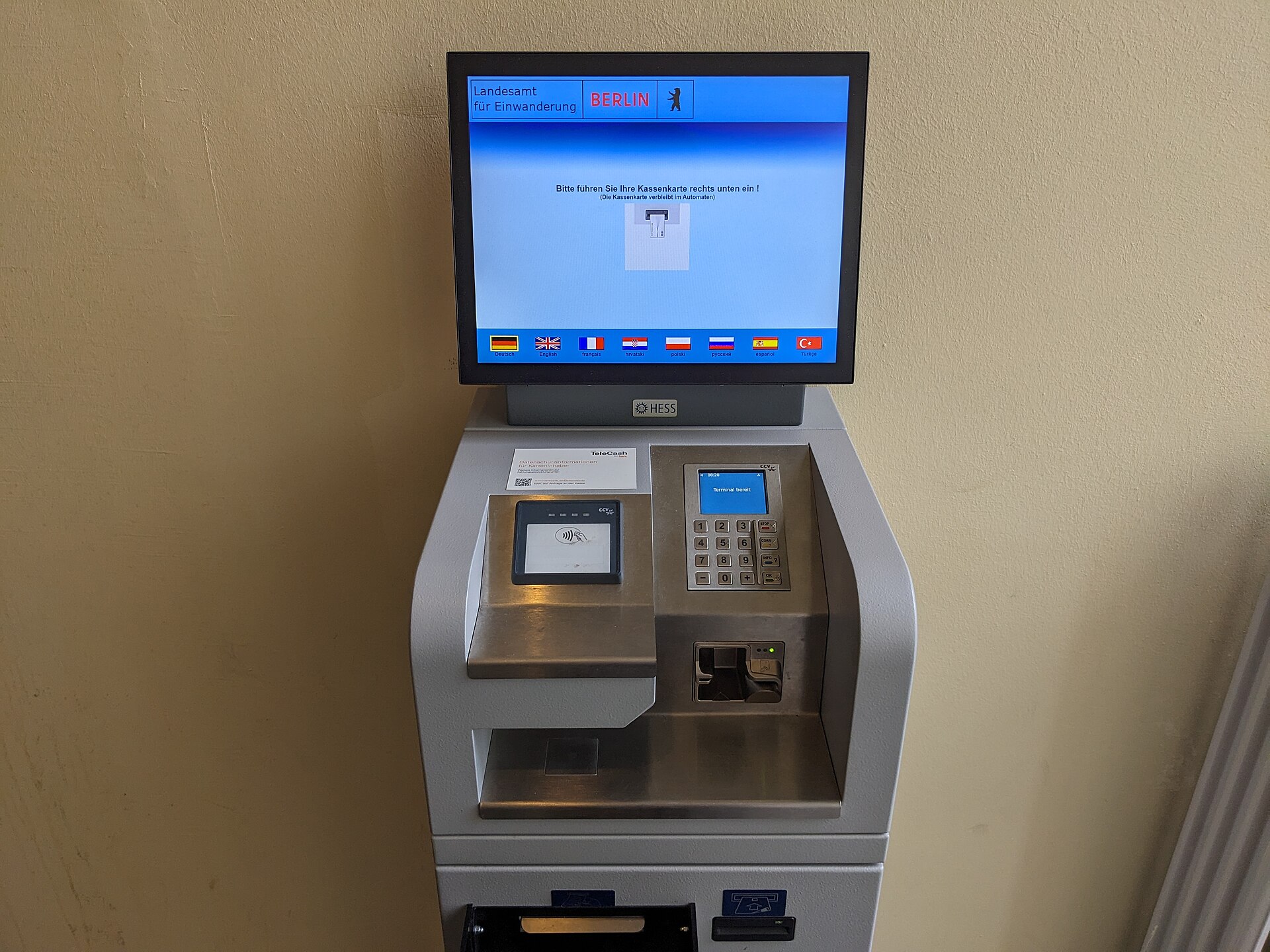
The question of cards abroad only becomes interesting when something goes wrong. The card does not work, the ATM offers a strange rate, more money leaves the account than expected. Yet each of those three things has an explanation and all of them are settled in five minutes before the trip. Below I have written the balance between cash and card and the exchange rate traps.
When cards do not work abroad
The most common reason is the bank’s security block. When a card is suddenly used in another country the system considers it suspicious and stops the transaction. Prevent that by telephoning your bank before the trip or setting a travel notification in the app.
The second reason is a country restriction. In some countries the international payment systems do not work at all and only cash passes there. Russia, Belarus, Iran and Cuba are in that group, and when you go to those destinations you have to take the whole budget in cash.
Cards abroad and the ATM’s hidden rate
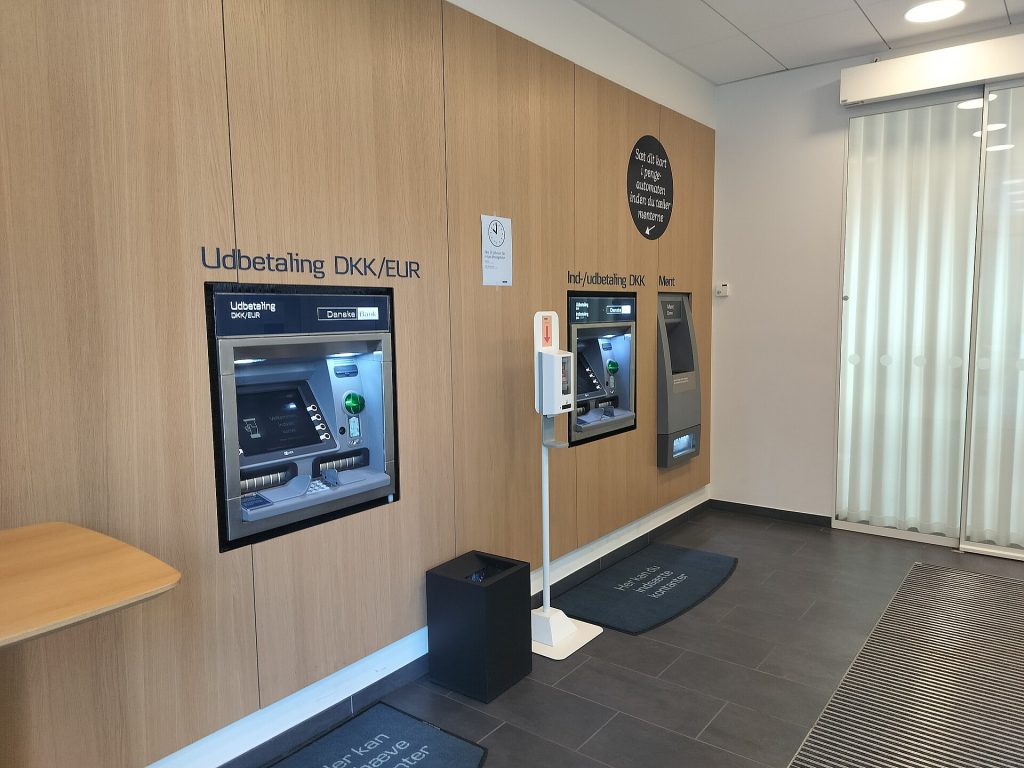
When the question “do you want to carry out the transaction in your own currency” appears on the ATM screen, always decline it and choose the local currency. That function is called dynamic conversion and the ATM applies its own rate, which is three to five per cent worse than your bank’s.
The same question is asked when the terminal is held out to you in a restaurant, and the answer is again the same: local currency. Pay attention to your choice of ATM too. The ATMs next to a bank building usually charge no commission, while the independent ones on tourist streets take a separate fee on every transaction.
How much cash to take
| Europe | 30–50 euros in cash a day, the rest by card |
| Turkey and Georgia | The equivalent of 20–40 dollars a day |
| Southeast Asia | Cash predominates, 30 dollars a day |
| Countries where cards do not work | The whole budget in cash, plus a reserve |
Do not keep the cash in one place. Carry part of it in your bag, part in the hotel safe and a small part in your pocket. That division stops a theft leaving you entirely without money.
Read more: A Russia travel guide: Moscow, St Petersburg, Kazan, Sochi and paying without a card
Which cards to take abroad
Take two cards and keep them in separate places. If one is blocked, the second saves you. Let them be from different payment systems if possible, because in some countries one is accepted more readily.
Opening a currency account is a serious saving too. When you pay in euros from a manat account the bank converts twice; paying from a euro account it converts once. On a week-long trip the difference can be twenty to thirty euros. Before the trip ask your bank what percentage the foreign transaction commission is; the official exchange rates are published on the Central Bank site.
Where to change money
The worst place is the airport, where the difference sometimes reaches ten per cent. The best route is to withdraw local currency from a local ATM. At the exchange offices in the city centre, do not be misled by the words “no commission”: they put the difference into the rate.
A short conclusion
The question of cards abroad comes down to three rules: tell the bank, always choose the local currency at an ATM, keep two cards separately. For countries where cards do not work, take the whole budget in cash. To build the travel plan and the visa process together, fill in the application form.
Note: commissions and restrictions vary by bank and country, so confirm them with your own bank before the trip.
