Most people who come to Buenos Aires say the same thing: here you feel you are in Europe. The wide boulevards, the French-style buildings and the cafés explain that. But the rhythm is entirely different: dinner starts at ten at night, and tango is not a tourist show but a street tradition. Below I have written a four-day route and the money question.
The centre, Recoleta and the bookshop
On Plaza de Mayo stands the presidential palace, the Casa Rosada, whose balcony is the most famous stage in the country’s history. The Ninth of July avenue is considered the widest street in the world, has fourteen lanes and crossing it takes two sets of traffic lights. The Colon theatre is among the world’s top three for acoustics and you can go inside on a tour.
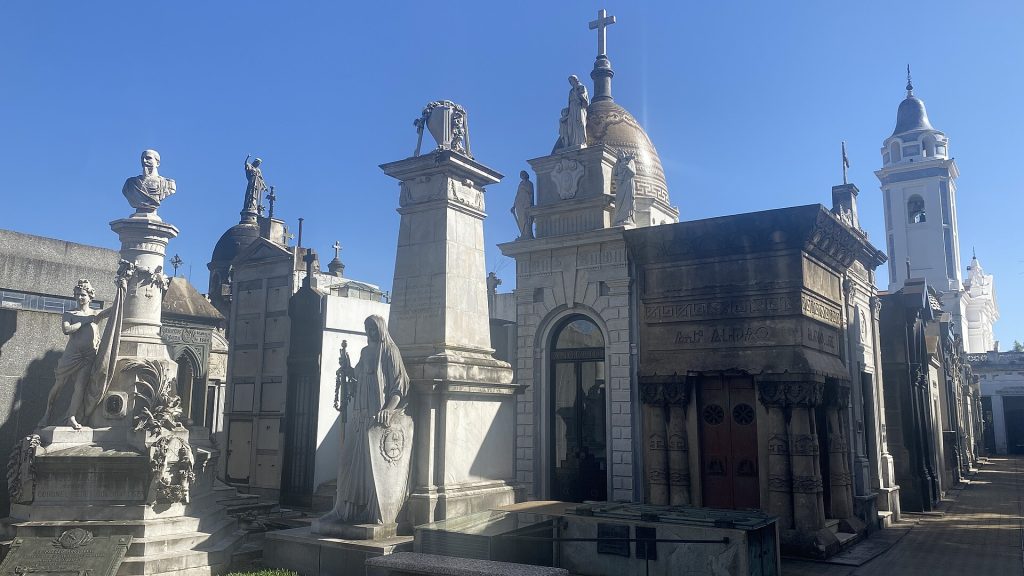
Recoleta cemetery is laid out like a city, with narrow streets and marble vaults; Eva Perón’s grave is there and entry is cheap. The El Ateneo bookshop nearby is in an old theatre, the boxes have been turned into reading areas and it is counted among the most beautiful bookshops in the world.
La Boca, San Telmo and tango
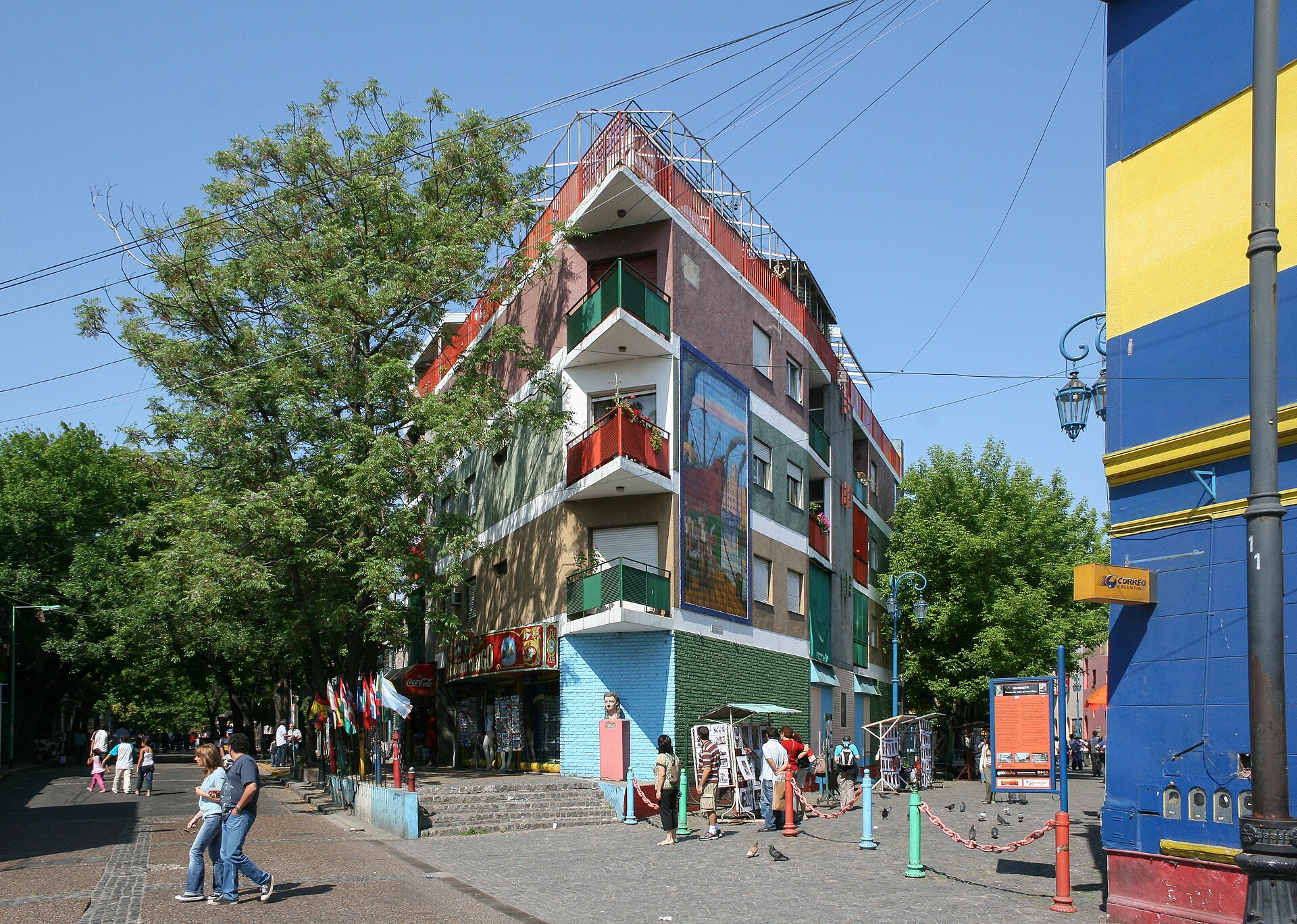
Caminito street in La Boca is known for its coloured wooden houses; because ship paint was used, the colours are mixed. Go in the daytime, as the rest of the district is not safe for a tourist, so do not step away from the central streets.
San Telmo is the oldest quarter; on Sunday an antiques fair is set up on Defensa street and tango is danced in the squares, which is free to watch. Evening tango shows, meanwhile, are held in the halls called milonga, where you can both watch and take a lesson. The Palermo district, with its parks, cafés and night life, is the liveliest part of the city.
Money and prices in Buenos Aires
In Argentina the currency question is confusing and inflation is high, so prices change quickly. For payment by foreign card a special rate is applied to tourists, and this is usually advantageous. Those bringing cash dollars can get a better rate than the official one, but do this only in reliable places.
Meat is a national subject here and in the grill restaurants called parrilla the portions are large. The empanada is the street snack. A three-star hotel is 50–100 dollars, and the Palermo and Recoleta options are the most comfortable districts. Official information is on the Turismo Buenos Aires site.
Read more: A Rio de Janeiro travel guide: Christ the Redeemer, Sugarloaf, the beaches and safety
Trips out of Buenos Aires
The Tigre delta is an hour by train and gives you a boat trip among the canals. Colonia del Sacramento is in Uruguay and is an hour by ferry, its old town is on the UNESCO list and it is ideal for a day trip. The Iguazu falls are two hours by air and require at least two days.
Taking these routes and the city tours in advance settles the ferry and ticket question in one place.
Season in Buenos Aires
The seasons are reversed. March–May is autumn and the best period, with the weather at 18–24 degrees. September–November is spring, when the jacaranda trees flower purple. December–February is summer, hot and humid. June–August is winter, 10–15 degrees, but the city works all year round.
In one sentence
Buenos Aires is the most European city in Latin America and four days are quite enough for it. Go to San Telmo on Sunday, walk Recoleta cemetery, and cross to Colonia by ferry for a day. For a visa and a route, fill in the application form.
Note: the prices in this article are those at the time of publication and may change with the exchange rate.
