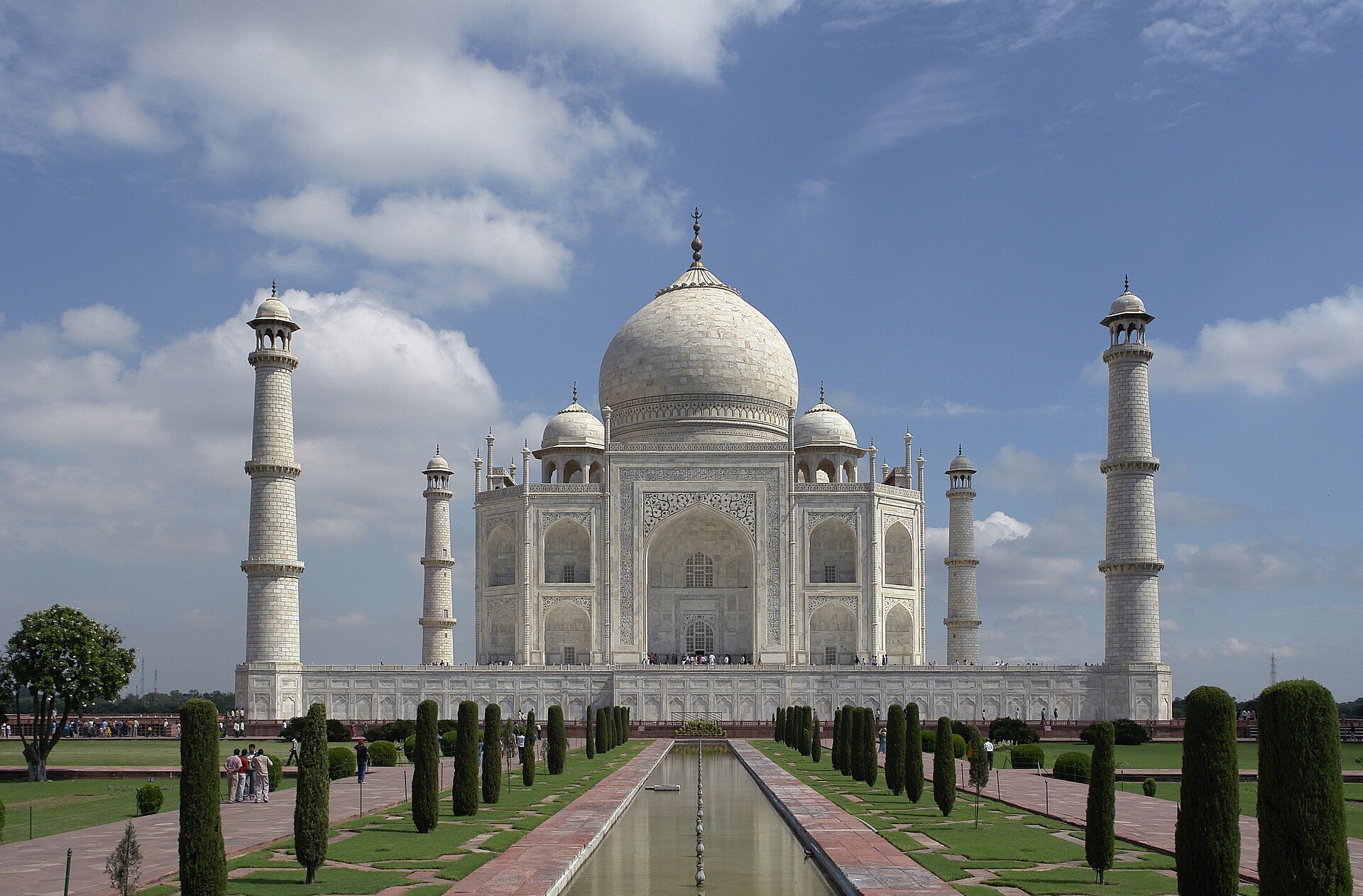
Agra is in the middle of India’s Golden Triangle route and is one of the best-known cities in the world because of a single building. But the Taj Mahal is not alone; the city has two more UNESCO sites. And there is one detail many people do not know: the Taj Mahal is closed on Fridays. Below I have written how to build those one or two days properly.
The Taj Mahal and the Friday rule in Agra
The Taj Mahal closes on Fridays for prayer and tourists are not admitted. Those who come without knowing this lose a day, so when building the route the first thing to look at is the calendar. On the remaining days it is open from sunrise to sunset.
The best time is sunrise. In the morning light the white marble changes colour and the crowd has not yet gathered. The ticket has several levels, and there is an extra charge to go up onto the marble platform where the tomb is, which is worth it. Food, drones and large bags are not allowed inside.
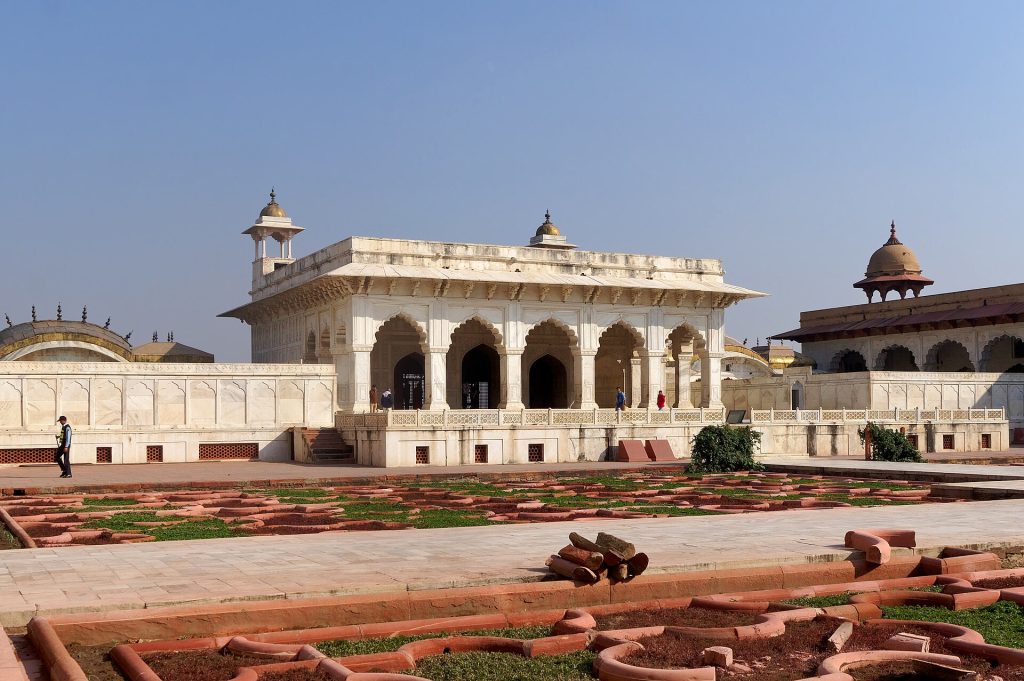
Agra fort and Mehtab Bagh
Agra fort is an enormous complex built of red sandstone and is two kilometres from the Taj Mahal. Shah Jahan spent the last years of his life right there, imprisoned by his son, looking from a window at the mausoleum he had built. Once you know that story the fort looks entirely different.
Mehtab Bagh is the garden on the other bank of the river and gives you the view of the Taj Mahal from behind. It is the best spot for sunset and the crowd is far smaller. Entry is cheap and half an hour is enough.
Fatehpur Sikri and the Delhi train
Fatehpur Sikri is forty kilometres from the city, a completely abandoned Mughal capital. It was built in the sixteenth century, emptied after fourteen years because of a lack of water, and has stayed almost untouched since. Half a day is needed.
From Delhi to Agra the most comfortable way is the fast train; the journey takes an hour and forty minutes and it is possible to set off early in the morning and come back in the evening. Train tickets sell early. Comparing Golden Triangle and Agra programmes settles the train and entry tickets in one place.
Budget and practical rules in Agra
The Taj Mahal has east and west entrances, and which one you choose your hotel near changes the morning queue. The Taj Ganj district is the closest and the budget hotels are there. There are many rickshaws in the city; agree the price in advance.
| Three-star hotel | 25–50 dollars a night |
| Hotel with a view | 80–150 dollars |
| The Taj Mahal | Closed on Fridays |
| The Delhi train | About an hour and forty minutes |
There are hotels from whose roof terrace the Taj Mahal is visible, and you can look at the view from there before joining the morning queue, so choose hotels by the view and nearness to the entrance. There is no direct flight; you go via Delhi, so check ticket prices in the Delhi direction in advance. Official tourism information is on India’s official tourism portal.
Season in Agra
October–March is the best period, with the weather at 15–28 degrees. In December and January thick fog falls in the mornings, which both delays the trains and can hide the Taj Mahal, so plan a spare day. April–June is unbearably hot, with the temperature passing forty-five. July–September is the monsoon, and after rain the marble looks at its cleanest.
In one sentence
Agra can be fitted into a day, but those who give it two days gain. Take Friday out of the calendar, go to the Taj Mahal at sunrise, spend sunset at Mehtab Bagh, and keep a spare day for the December fog. If you want to travel the Golden Triangle as a whole route, you can look at the ready-made tour options. For a route and a visa, fill in the application form.
Note: entry rules and ticket prices may change, so check from an official source before travelling.
