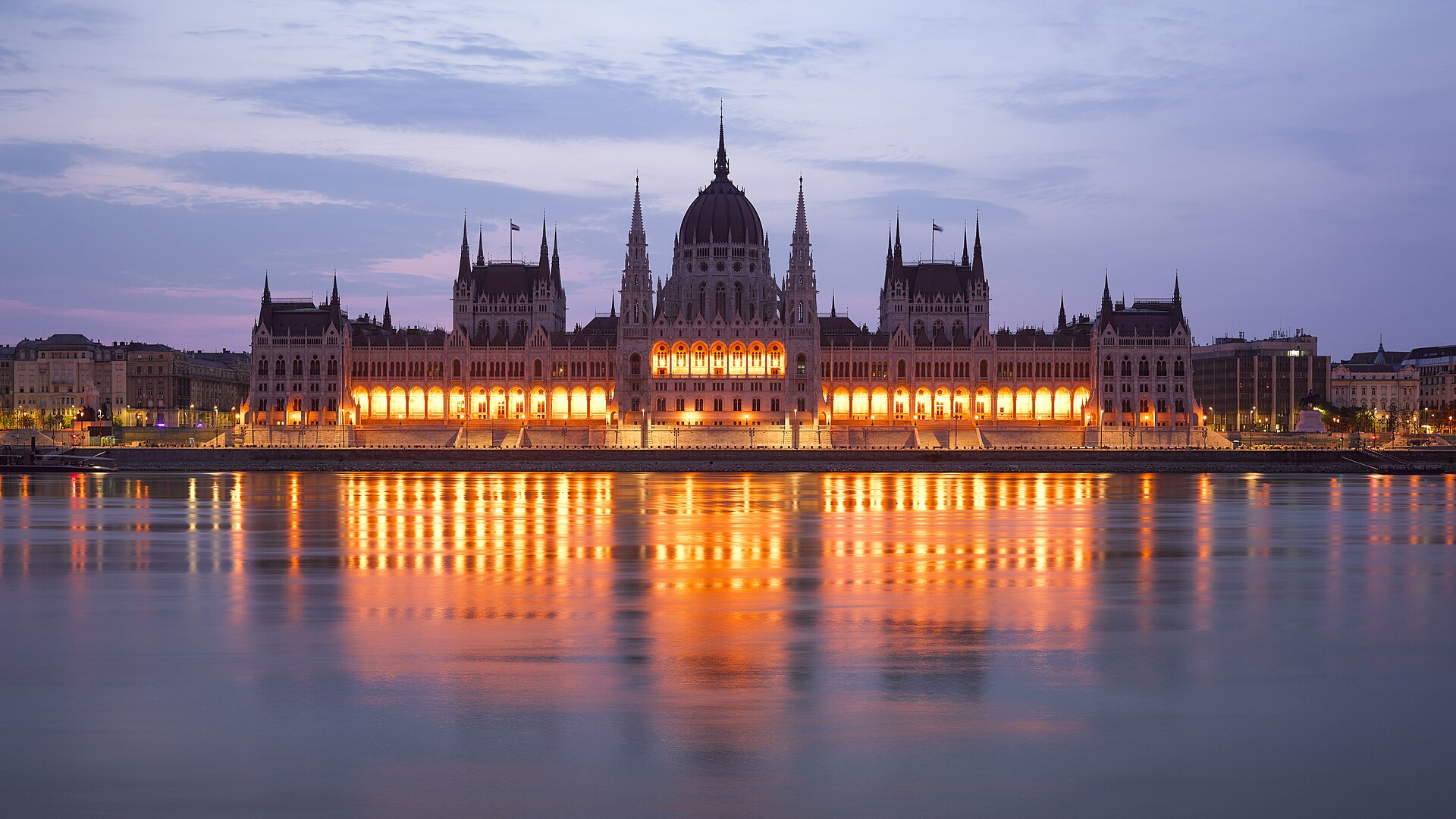
Budapest is really two cities, and its name says so. Buda is the hilly side, with the castle and the quiet streets. Pest is flat, and that is where the life, the restaurants and the nights happen. The Danube separates the two and the bridges join them. Wizz Air flies cheaply from Baku and the city is far better value than Western Europe, which makes it a good choice for a first Schengen trip.
Budapest in brief
| Country | Hungary; 1.7 million people |
| Visa | Schengen “C” visa |
| Currency | Hungarian forint, not the euro |
| Best time | April–June and September–October |
| Flight | Direct from Baku with Wizz Air |
| How many days | Three days |
The Buda side: the castle and the Fisherman’s Bastion
You can go up the castle hill by funicular, but the queue gets long and the walking path is only fifteen minutes. At the top stand the Royal Palace, the Matthias Church and the Fisherman’s Bastion. From the bastion’s white turrets the Parliament opens up on the opposite bank, and that is the most photographed shot in the city. Entry to the upper terraces is paid, while the lower part is free and the view is all but identical.
Gellert hill is higher, and from there both cities fit into one frame. The climb takes half an hour, so plan it for sunset in the evening.
The thermal baths
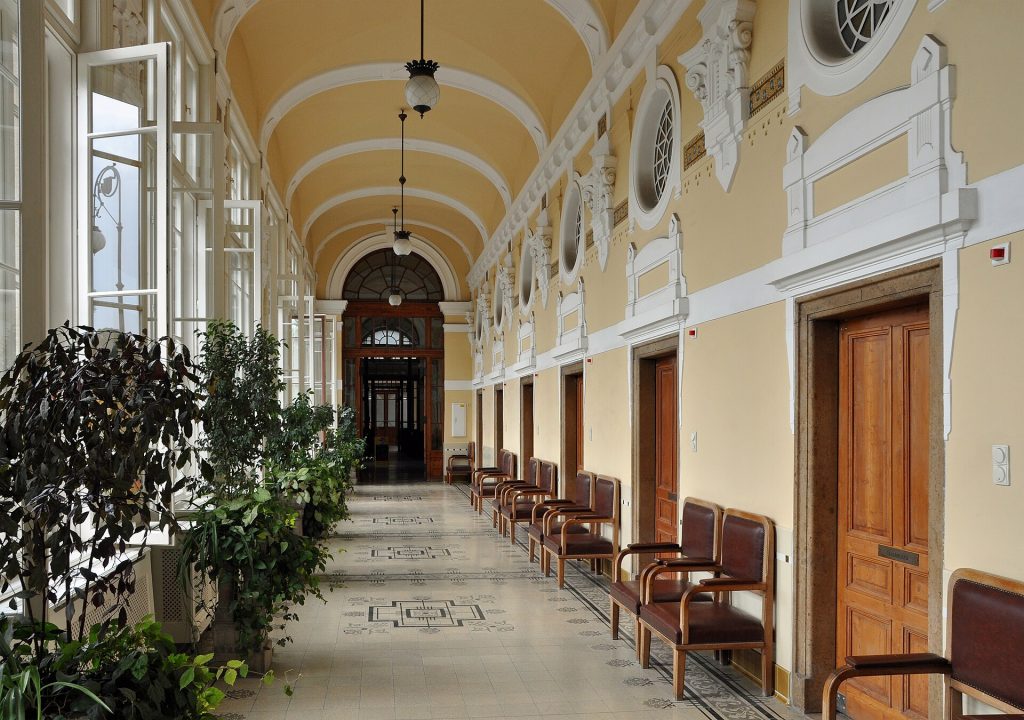
The city is built on hot mineral springs, and the tradition goes back to Roman times. The Szechenyi bath is the largest, sits in the open air, and in winter, when the steam rises, creates an entirely different picture. The Gellert bath is smaller but architecturally lovely. The Rudas bath is left from the Ottoman period, and the Danube is visible from the pool on its roof.
A few practical notes. Swimming shorts are required rather than ordinary shorts, and bring a towel and a hat with you. The ticket varies depending on whether you choose a locker or a cabin. Taking the bath and city tour tickets in advance lets you skip the weekend queue.
The Pest side and the ruin bars
The Parliament building is one of the largest in Europe and is entered on a guided tour, so buy the ticket online. You can climb the dome of Saint Stephen’s basilica. The iron shoes memorial on the Danube bank is small but one of the most affecting places there is.
In the Jewish quarter there are ruin bars, called “romkocsma” — places set up inside abandoned buildings. The most famous is Szimpla Kert, which is open during the day too, and even if you do not drink it is worth seeing for the architecture. That quarter has plenty of small cafés and street food.
Transport and food in Budapest
The metro has four lines, and the first is among the oldest underground lines in Europe. Tram number two runs along the Danube and works as a cheap excursion. A day ticket is around 2500 forints. Bus number one hundred goes directly from the airport to the centre. There is a direct flight from Baku and it is cheap; flight prices to Budapest drop further still if you buy early.
As for the food, goulash is a soup rather than a main course, and it is worth knowing that. Langos is fried dough and is sold on the street. The Great Market Hall is interesting for souvenirs and for food alike. Compare train tickets to Vienna and Bratislava on one screen — Vienna is only two and a half hours away.
Season and budget in Budapest
April–June and September–October are the most comfortable months, at 18–25 degrees. July and August climb to 32 and are humid. Winter is cold, but the open-air thermal bath gives its best impression exactly then. Christmas markets are set up in December.
A three-star hotel in the centre is 60–100 euros, and 45–75 in the outer districts of Pest. Choosing your hotel by the metro line makes the daily journey easier. The Szechenyi bath is 30 euros and the Parliament tour around 15. If you want to extend the route, look at tours starting from Hungary. Official city information is on the Visit Budapest site.
In one sentence
Budapest is cheap, beautiful and fits fully into three days, and the thermal baths set it apart from other capitals. Buy the Parliament ticket in advance, give one evening to a bath, and climb Gellert hill at sunset. For a visa and a route, fill in the application form.
Note: the prices in this article are those at the time of publication and may change with the exchange rate.
