Vilnius is the least known of the Baltic capitals and often stays in the shadow of Riga and Tallinn. Yet its old town is the largest of the three and stands out for its baroque architecture. Prices are lower than in Riga and Tallinn, and the city is green, with the forest coming right up to the centre. Two days are enough, and a third has to be given to Trakai castle. There is no direct flight from Baku, so comparing air tickets is the first step of the route.
The old town and Gediminas tower
The old town is on the UNESCO list and is among the largest in Eastern Europe. The walk begins at the Gate of Dawn, the only gate remaining from the city wall, and a famous icon is kept in the small chapel above it. The streets are narrow and tangled, and walking without a map works better here.
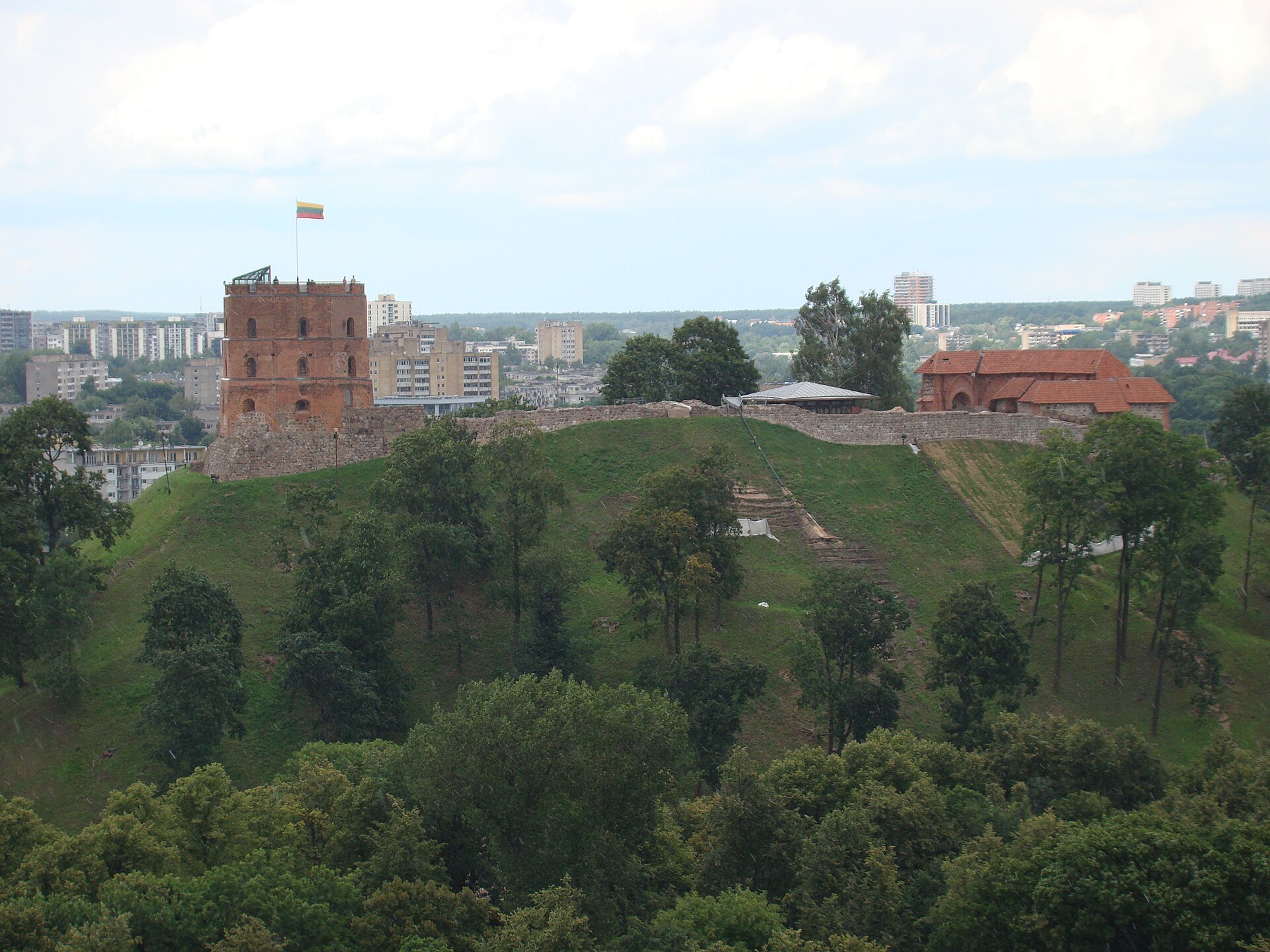
Gediminas tower is on the hill; a funicular runs, but climbing on foot is ten minutes. From above, the red roofs of the old town and the new business district behind are visible together. Cathedral square is at the foot of the hill, with the bell tower standing separately from the church.
Uzupis and the baroque churches
Uzupis is a small quarter on the other side of the river and in 1997 it jokingly declared itself an independent republic. Its constitution is written on a wall in several languages, and one of its articles speaks of everyone’s right to be happy. The artists and galleries are gathered there and the cafés are quiet.
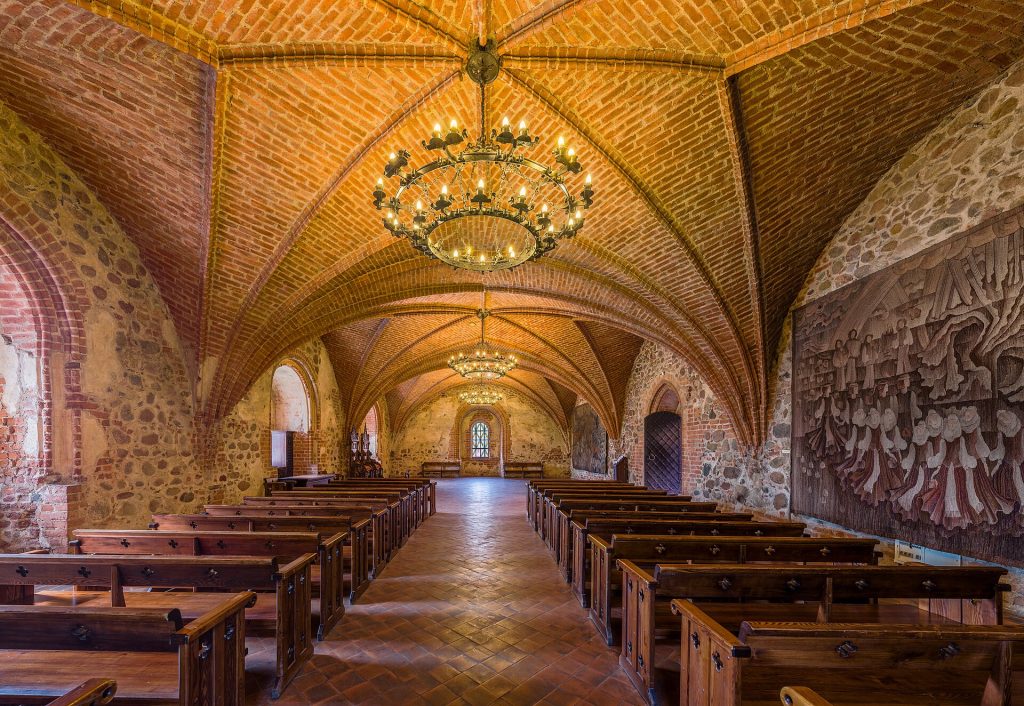
St Anne’s church is built of red brick in the Gothic style, and there is a famous legend that Napoleon wanted to carry it off to Paris. Inside the church of St Peter and St Paul there are more than two thousand plaster figures. Taking the city tours and museum tickets in advance saves time on a short trip.
Trakai castle and the Baltic route
Trakai is half an hour from the city and the castle is on an island in a lake, joined by a bridge. The red brick walls are reflected in the water and this is the country’s most photographed view. In winter the lake freezes and you can walk across it. In summer there are boats for hire.
Vilnius is the southern end of the Baltic route. Riga is four hours by bus and Tallinn eight. Combining the three capitals in one trip makes a great deal of sense, so compare the bus and train options in one search.
Read more: A Lithuania travel guide: Vilnius, Trakai, Kaunas, the Curonian Spit and the Druskininkai resort
Food and budget in Vilnius
Lithuanian cooking is built on the potato. The large potato dumpling called cepelinai is the national dish and is heavy, so one portion is usually enough. Saltibarsciai is a cold beetroot soup served in summer and is a bright pink colour. The pastry called kibinai is sold in Trakai and is the food of the Karaim community.
A three-star hotel is 55–95 euros and lunch in a restaurant costs 10–18. A hostel bed starts from 15–28 euros. The airport is very close to the centre, fifteen minutes by taxi. Official information is on the Go Vilnius site.
Season in Vilnius
May–September is the best period, the weather is 18–25 degrees and the days pass long. Winter is cold, it drops below zero and it snows, but in exchange the old town looks beautiful with its Christmas decorations. Autumn is colourful but rainy. At the beginning of March the Kaziukas fair is held.
In one sentence
Vilnius is a quiet, cheap and unexpectedly beautiful capital, and on top of that the most comfortable beginning to the Baltic route. Walk the old town without a map, cross over to Uzupis, and give half a day to Trakai. For a visa and a route, fill in the application form.
Note: the prices in this article are those at the time of publication and may change with the season.
