Vienna has topped the list of the world’s most liveable cities for years, and after a day there the reason is clear. The transport runs on time, the parks are wide and the streets are clean. For a visitor the city is the shop window of the imperial period, with the palaces and museums lined up next to one another. There is a direct flight from Baku. Below I have written a three-day route.
Vienna in brief
| Country | Austria; 2 million people |
| Visa | Schengen “C” visa |
| Currency | Euro; cards accepted everywhere |
| Best time | April–June, September–October, December |
| Flight | Direct from Baku, 4.5 hours |
| How many days | Three days |
The Ring and the centre
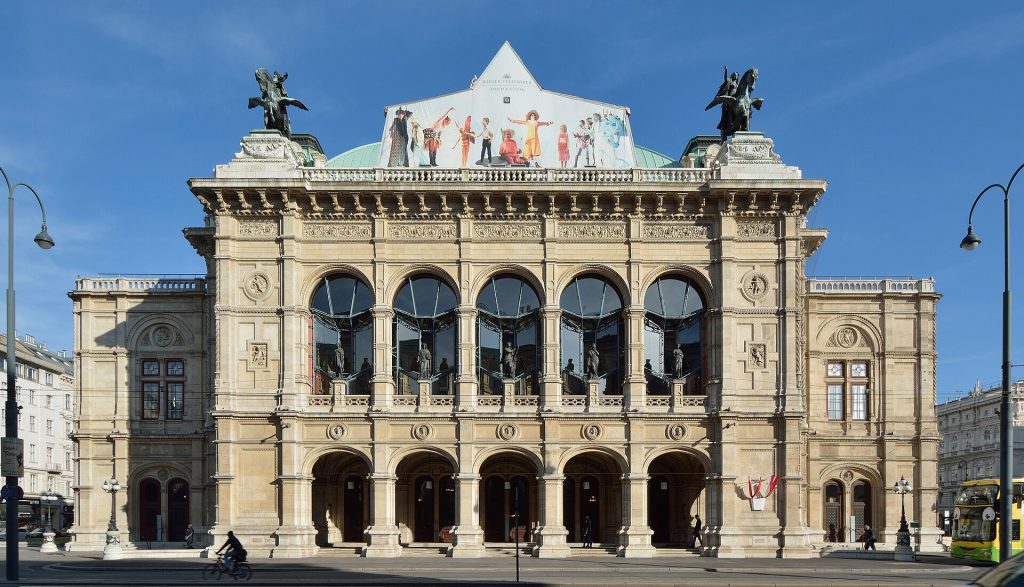
The old city is encircled by the ring boulevard called the Ringstrasse, and the parliament, the opera, the city hall and the museums are lined up along it. The cheap option is this: get on the ordinary number two tram and go round the Ring — it is the same route as the sightseeing bus. Saint Stephen’s cathedral stands in the centre, and you can climb one of its towers.
The Hofburg palace was the emperors’ winter residence and now holds several museums. The Sisi museum is devoted to the empress Elisabeth and is the most visited. Cheap standing tickets are sold for performances at the opera house, which means seeing world-class opera for a few euros.
Schonbrunn and the museum quarter
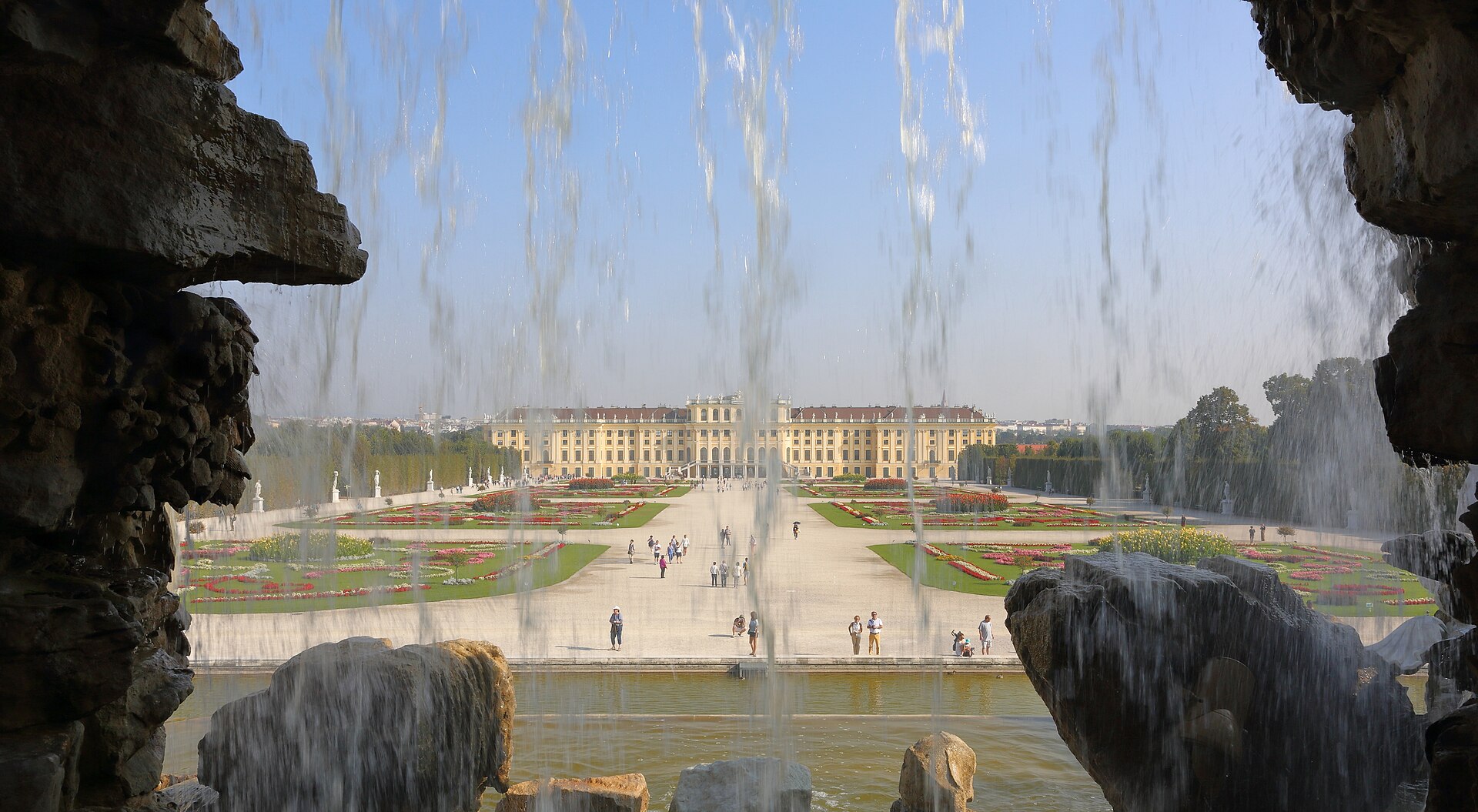
Schonbrunn is the summer palace and is twenty minutes from the centre by metro. You need a ticket to go inside the palace, while entry to the gardens is free. If you climb up to the Gloriette on the hill, the palace and the city appear in one frame. In summer go at eight in the morning; by midday there is a crowd.
The museum quarter was made out of the former imperial stables and is now a centre of contemporary art, with locals sitting on the seats in its courtyard. The Belvedere palace holds Klimt’s “The Kiss”, the most famous painting in Austria. Taking the palace tickets and day tours in advance removes the box office queue entirely in the summer months.
The coffee house culture and the food
The Viennese coffee house is on the UNESCO intangible heritage list, and that is not just a marketing line. The tradition is this: you order one coffee and you may sit for hours, and nobody hurries you. Coffee always comes with a glass of water. The melange is the most ordered kind.
Among the pastries, Sachertorte and apple strudel are the classics. As a main course the schnitzel is the famous one; the real version is made of veal and comes bigger than the plate. The Naschmarkt is interesting both for food and for a walk. Halal restaurants are in the Favoriten and Ottakring districts, and Turkish food is widespread in the city.
Read more: An Austria travel guide: Vienna, Salzburg, the Alpine resorts, the trains and the season
Transport and budget in Vienna
The metro has five lines, and the tram and bus network covers the city completely. A day ticket is 8 euros and a weekly ticket 17, and the weekly one pays off for anyone staying more than three days. Inspectors travel in plain clothes and the fine is 100 euros. The city rail from the airport to the centre takes sixteen minutes. The flight from Baku takes four and a half hours, and direct flights from Baku to Vienna run on almost every day of the week.
A three-star hotel in the centre is 110–160 euros, and 80–120 outside the Ring. A hostel bed starts at 25–40 euros. Schonbrunn palace is 26 euros, the Belvedere 17, and a standing ticket at the opera under 13. If you are planning it together with Budapest and Prague, look at coach tours of Europe. Official city information is on the wien.info site.
The season in Vienna
April–June and September–October are the most comfortable months, at 18–25 degrees. July and August are hot, but bearable thanks to the parks and gardens. December is a reason of its own: the Christmas markets are set up in front of the city hall and in the Schonbrunn courtyard. January and February are cold and the hotels get cheaper.
In closing
Vienna is a tidy and comfortable city, and seeing the main places in three days is entirely possible. Go round the Ring by tram, check for a standing ticket at the opera, and spend one afternoon in a coffee house with no plan at all. For a visa and a route, fill in the application form.
Note: the prices in this article are those at the time of publication and may change with the season.
