Austria looks small on the map, but it takes up a great deal of room on the list of people travelling from Baku. Vienna is four hours away on a direct flight, the Alpine resorts are among Europe’s best, and the thermal treatment tradition is measured in centuries. Some go to Vienna for a weekend, some to Tyrol for a week’s skiing. Others head for Hallstatt and Salzburg in summer. And all of them on the same Schengen visa. In this article I talk about Austria from the practical side: the cities, the trains, the resorts, the food, the season and the money question all in one place.
Austria in brief
| Capital | Vienna |
| Language | German; English everywhere in tourism |
| Currency | Euro |
| Visa | Schengen «C» visa, through VFS Global in Baku |
| Best time | May–September for cities and lakes, December–March for skiing |
| Flights | Baku–Vienna direct, Austrian Airlines, 4 hours |
| Daily budget | 120–170 euros at a mid-range level |
Austrian cities: Vienna, Salzburg, Innsbruck and Hallstatt
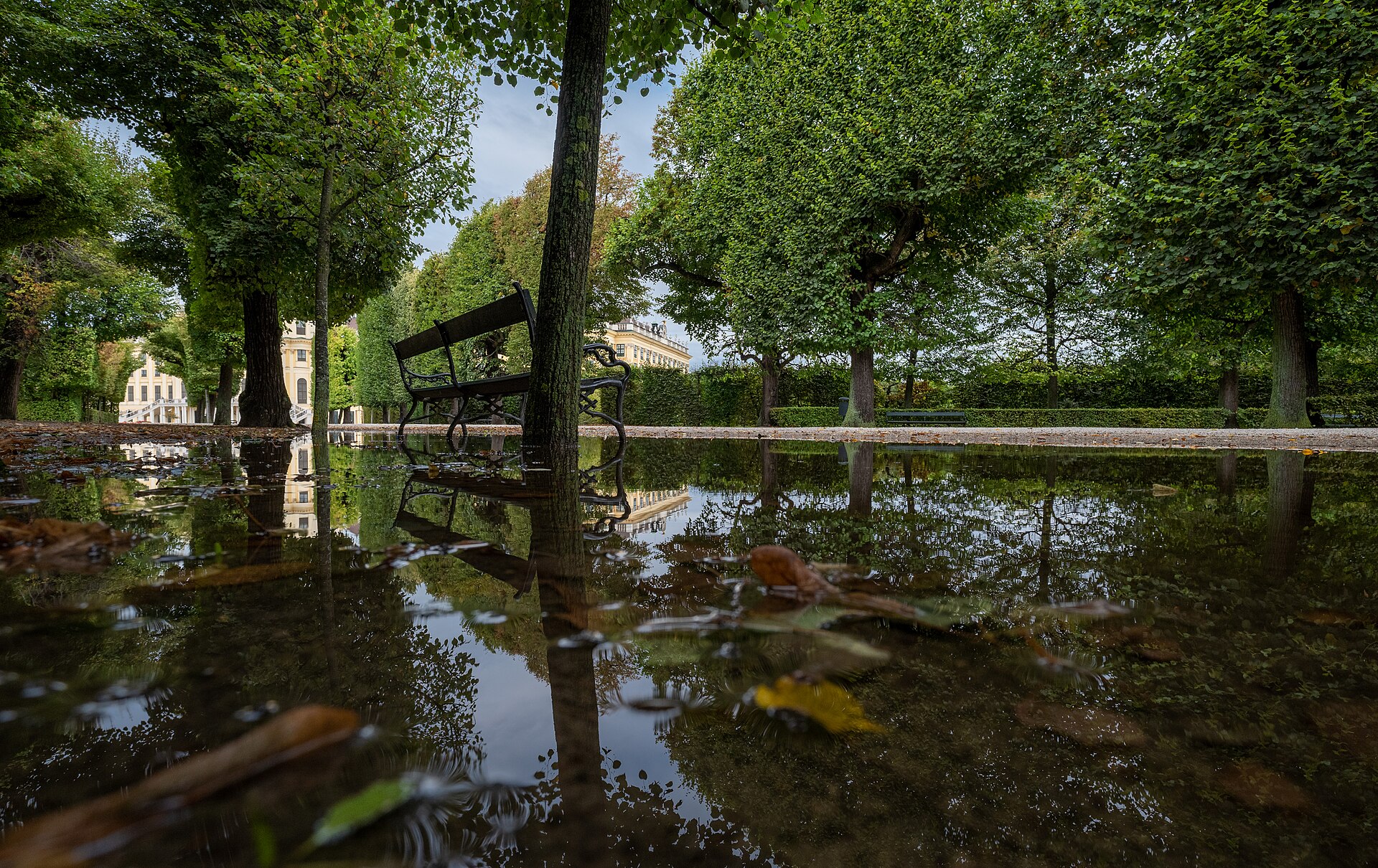
Vienna is an imperial capital and lets you feel it at every step. The Schönbrunn and Hofburg palaces are the city’s main addresses. St Stephen’s cathedral and the Opera are in the centre. Magnificent buildings line the Ring boulevard, with the museum quarter nearby. Set aside three or four days and be sure to spend one evening in one of the old cafés — that is as essential a part of Vienna as its palaces. In December the Christmas markets turn the city into something else entirely, and the prices with it.
Salzburg is Mozart’s city and the gateway to the Alps; it is two and a half hours from Vienna by train and the old town is walked in a day.
An hour and a half from there is Hallstatt, a true postcard village on the shore of a lake. But in summer so many tourists come that they outnumber the villagers, so go early in the morning and walk it before noon.
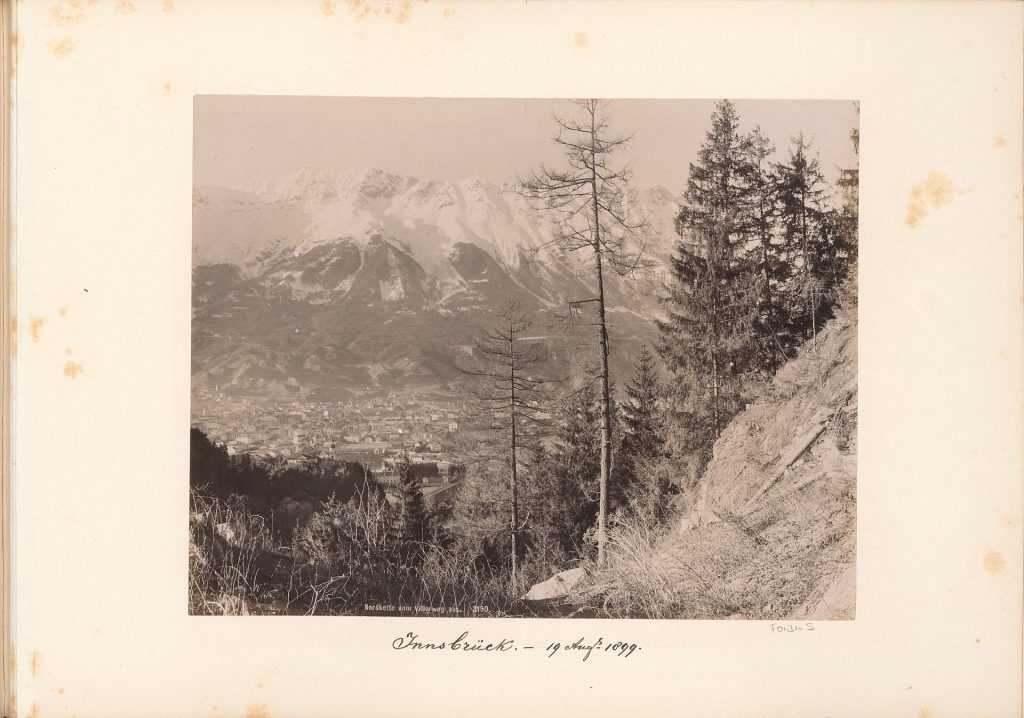
Innsbruck is the capital of Tyrol, a mountain city surrounded by ski resorts. Graz is the country’s second largest city and, with few tourists, a good alternative for anyone wanting a quiet walk.
Transport in Austria: ÖBB trains and the Vienna metro
The ÖBB railway is one of Europe’s most precise systems; the train comes at the minute written. The Railjet runs from Vienna to Salzburg in two and a half hours and to Innsbruck in four, and an early-booked Sparschiene ticket is 20–30 euros, while buying on the day triples the price. If you are combining Vienna, Salzburg and Prague on one route, searching trains and buses together throws up a cheaper option.
In Vienna the metro, trams and buses work on one ticket, and a twenty-four-hour ticket is 8 euros. There are no barriers, but inspectors do their rounds and write a 105 euro fine for anyone caught without a ticket.
From the airport to the city the S7 train takes twenty-five minutes for 4 euros. The CAT express is expensive and saves only five minutes, so it is not worth it.
A car is convenient for an Alpine route. To use the motorway buy a vignette sticker, about 12 euros for ten days, and in winter snow tyres are compulsory.
Austrian resorts: skiing and thermal treatment
For skiing the Tyrol and Salzburg regions are the main ones: Kitzbühel, Ischgl, Sölden, Zell am See and St Anton. Among travellers from Baku the most popular choice is Zell am See and Kaprun, and the reason is simple: thanks to the glacier the season is long, there is a lake, and the resort is comfortable for families. A ski pass is 60–75 euros a day and equipment hire 30–40.
For those wanting thermal treatment there are Bad Gastein, Bad Ischl and Loipersdorf in Styria. Bad Gastein is known for its radon caves, and people go there for joints and rheumatism. Vienna’s clinics, meanwhile, are an alternative to Germany for diagnostics and surgery; the cost estimate is sent in advance and the visa is obtained on that very document.
Austrian food and café culture
Wiener schnitzel is the national dish: veal beaten thin and fried, and bigger than the plate. Tafelspitz is boiled beef, Kaiserschmarrn a torn-up sweet pancake, and Apfelstrudel an apple pastry.
The Sacher torte is the city’s symbol; at the hotel of the same name a slice sells for 10 euros and you queue for it too.
Viennese cafés are on UNESCO’s intangible heritage list. Sitting for two hours over one Melange is not considered rude here, and the waiter will not hurry you.
Halal food is widely available in Vienna’s Turkish and Balkan restaurants. A main course in a restaurant is 15–25 euros, and the tip is 5–10 per cent, usually given by rounding the bill up out loud.
Read next: The 7 commonest mistakes people make when applying for an Austrian visa
Season and weather
Summer in Vienna is 25–30 degrees and winter around zero and grey.
In the Alps the ski season runs from December to April and on the glaciers from October to May. Christmas and the February holiday are the most expensive weeks, and hotels are booked from the summer.
In summer the Alpine lakes, the Wolfgangsee and Attersee for instance, warm to twenty-two degrees. For Hallstatt June and September are ideal, while July and August are crowded. December is the time of the Christmas markets in Vienna and Salzburg. Snow conditions at the resorts and the events calendar can be seen on the Austria.info portal.
Budget and tickets
A hotel is 100–160 euros in Vienna and 120–180 in Salzburg, while at the ski resorts in season it starts at 200. A museum is 15–25 euros.
A few small pieces of advice. A standing ticket at the Vienna Opera is just 15 euros and completely saves an evening. And for Schönbrunn and the Hofburg, buying a timed ticket removes the summer queue altogether.
Excluding the flight, a week-long trip fits into 900–1300 euros per person. There is a direct flight from Baku to Vienna, and ticket prices to Vienna rise over Christmas and the February holiday, while March to May is good value. For the winter holidays, Austrian ski tour packages covering Zell am See and Kaprun settle the hotel, the transfer and the ski pass together.
Frequently asked questions about Austria
How many days does a first trip to Austria need?
Three days for Vienna, six with Salzburg and Hallstatt. A ski trip is usually seven nights.
Can you cross from Vienna to Budapest and Bratislava?
Yes: Bratislava is an hour and Budapest two and a half by train, and both are in Schengen. The visa is taken for the main country of the trip.
Is Austria cheaper than Switzerland?
Considerably. A ski resort of the same level costs 30–40 per cent less in Austria than in Switzerland, and food and hotels are lower too.
In closing
Four hours from Baku, Austria fits an imperial capital, an Alpine resort and thermal treatment into one visa. The visa application and documents are explained on the Austria page, and to build the ski or city route together, fill in the application form.
Note: the prices here are as of the publication date and can change with the season.
