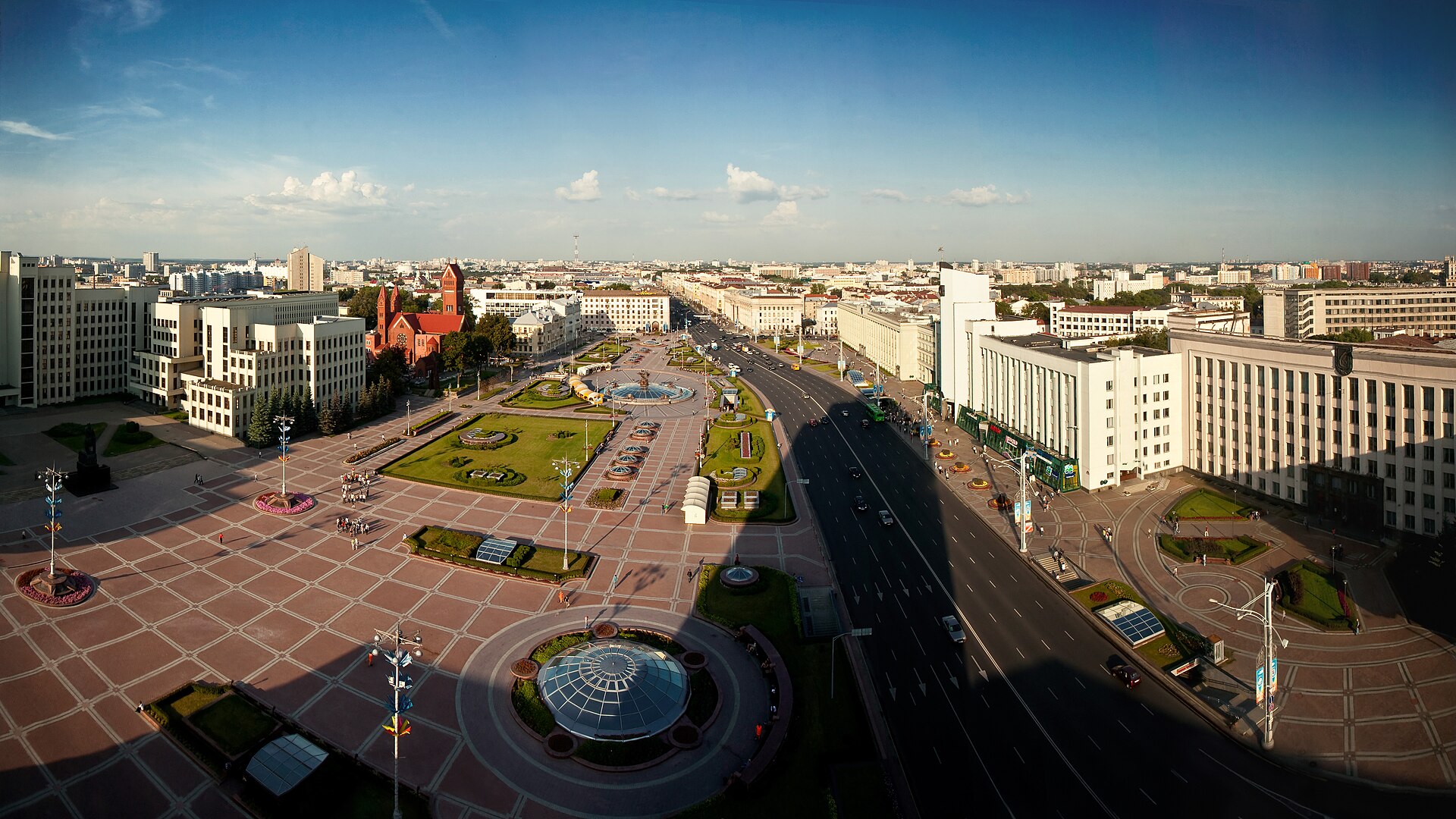
People go to Belarus from Baku for two reasons. The first is a comfortable city trip, visa-free and in a Russian-speaking environment; Minsk is one of Europe’s cleanest and broadest capitals. The second, and perhaps the more frequently asked about, is the sanatoriums: the treatment tradition left over from the Soviet period has not died out here, on the contrary it has been renewed. Add Brest Fortress, the Belovezhskaya forest and the UNESCO-listed castles of Mir and Nesvizh on top. In this article I have gathered the cities, the transport and the sanatoriums in one place. The food, the season and the insurance question at the border are in there too.
Belarus in brief
| Capital | Minsk |
| Language | Belarusian and Russian; Russian works everywhere |
| Currency | Belarusian rouble (BYN); cards work everywhere |
| Visa | Visa-free for 90 days for citizens of Azerbaijan; medical insurance is compulsory |
| Best time | May–September; the sanatoriums are cheap in winter |
| Flights | Baku–Minsk direct, Belavia and AZAL, 3.5 hours |
| Daily budget | 60–90 dollars at a mid-range level |
Belarusian cities: Minsk, Brest, Grodno
Minsk was almost entirely destroyed in the war and built from zero, which is why it is the largest example there is of the Stalinist Empire style. Monumental buildings along Independence Avenue, Victory Square, parks on the bank of the Svislach, the diamond-shaped building of the National Library. The Trinity quarter is a restored piece of the old town — go there in the evening. The city is walked comfortably in three days, and everywhere is so clean that you feel embarrassed to drop a piece of paper.
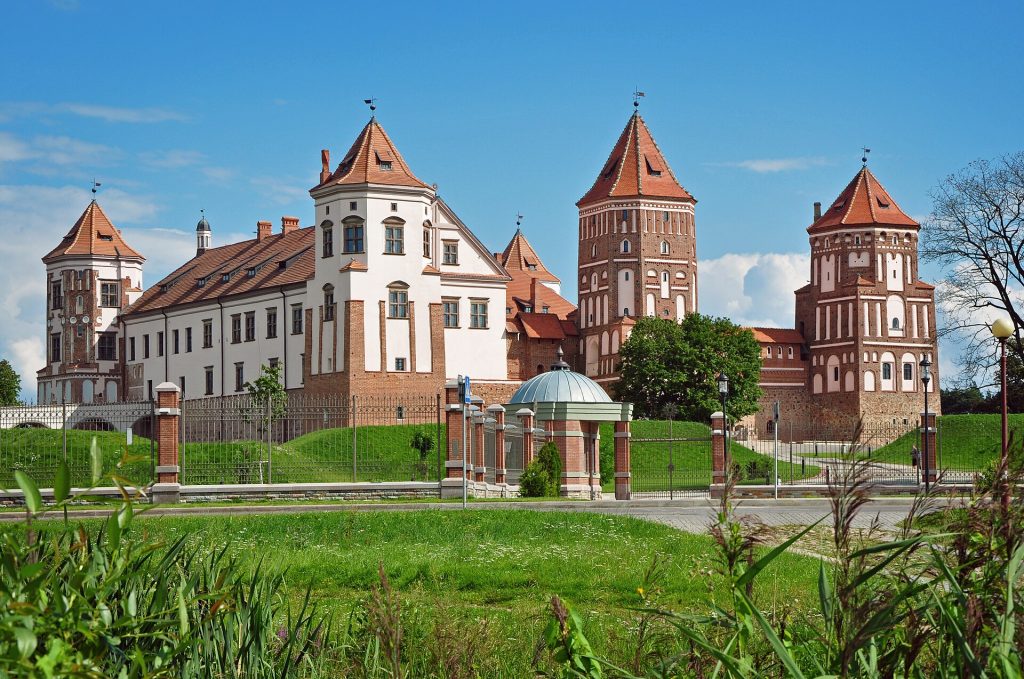
A hundred kilometres west of Minsk are Mir castle and Nesvizh palace, the classic route for a day trip; both can be seen in a single day. Brest is on the Polish border and is known for the Brest Fortress memorial, and nearby the Belovezhskaya forest is a national park where the bison live — that one is worth going to with children. Grodno is the country’s best preserved old town, while Vitebsk is Chagall’s birthplace and a summer festival city.
Transport in Belarus: trains, the metro and taxis
The Belarusian railway is cheap and precise. Minsk to Brest is three and a half hours with a ticket at 10–15 dollars, and Vitebsk four hours. The Minsk metro joins all the important points of the city on two main lines, and a ride costs less than a rouble. Yandex Go works everywhere and the price is cheaper than in Baku. The intercity minibuses go faster than the train but are cramped; on a long journey choose the train. Car hire is 30–50 dollars a day, the roads are of good quality, and for the toll motorways the rental company itself gives you the BelToll device. From the airport into Minsk the bus and the express train take 40 minutes.
How do the Belarusian sanatoriums work?
This is the subject people calling from Baku ask about most. The system is left over from the Soviet period, but it has not gone stale; on the contrary it has been renewed. Joint, cardiovascular, respiratory and gastrointestinal conditions are treated with mineral water, mud and salt caves, while three meals a day and the procedures are included in one price.
The best known are Yunost and Krinitsa around Minsk, Naroch and Priozyorny on the shore of Lake Naroch, and Belaya Vezha near Brest. The daily price is 50–90 dollars and the minimum course is ten to fourteen days. In summer places are booked two or three months ahead, so do not leave it late.
For diagnostics and dentistry, meanwhile, the private clinics of Minsk are considerably cheaper than Europe.
Belarusian food: draniki, machanka and bread
The basis of Belarusian cooking is the potato, and they say so themselves, as a joke. Draniki are potato patties, kolduny are draniki stuffed with meat, and babka is a potato bake. Machanka is a pancake with meat sauce, kholodnik a cold beetroot soup in summer, and black rye bread is on every table and worth taking back to Baku. Lunch in a restaurant is 10–15 dollars, and at chain restaurants like «Vasilki» the national cooking is cheap and good. There are Azerbaijani and Turkish restaurants in Minsk and halal food is easy to find. Coffee culture has grown stronger in recent years, and in the centre there is a coffee house on every street.
Read next: Belarus needs no visa, but they will not let you in without insurance: the rules for a trip to Minsk
Season and weather
Summer is 22–26 degrees and passes mild and green. Winter is minus 5–10, snowy and dark. For the cities and the lakes May to September is the best time, and in July Vitebsk holds the «Slavianski Bazaar» festival. Winter is the season of Minsk’s New Year decorations and of discounts at the sanatoriums, and those going for treatment often choose exactly the winter. Do not forget one thing: on entry to the country medical insurance with a limit of at least 10,000 euros is required, and they really do check at the border — buy the insurance in Baku, or buy it on the spot at Minsk airport. The list of sanatoriums and events is on the Belarus.by portal.
Budget and tickets
Belarus is one of the cheapest countries in Europe. A good hotel in Minsk is 50–80 dollars, a rented flat 30–50, a museum 3–5 dollars and a theatre ticket from 10. Excluding the flight, a week-long trip fits into 500–700 dollars per person. Cards work everywhere, and you change currency at a bank at the official rate. There are direct flights from Baku to Minsk, and ticket prices to Minsk rise during the summer holidays and around New Year. For anyone wanting to buy the sanatorium trip as a complete package, Belarus sanatorium tour options settle the flight, the transfer and the course of treatment together.
Frequently asked questions about Belarus
Is Belarus difficult for someone who does not speak Russian?
Young people speak English, but the signs and menus are mostly in Russian. A translation app is enough.
Can you cross from Minsk into Poland or Lithuania?
Only with a Schengen visa and with long queues at the land border. At present that route is not practical; it is easier to fly into Minsk and return from Minsk.
Do you need a medical document for the sanatorium?
A sanatorium-resort card is required. You can get one from a doctor in Baku, or on arrival the sanatorium’s own doctor will issue it for an extra fee.
In closing
Belarus is a visa-free, cheap and comfortable country: three days for Minsk, a day for the castles, two weeks for a sanatorium. The entry rules and the compulsory insurance question are explained on the Belarus page, and for choosing a sanatorium and a ticket, fill in the application form.
Note: the prices here are as of the publication date and can change with the season.
