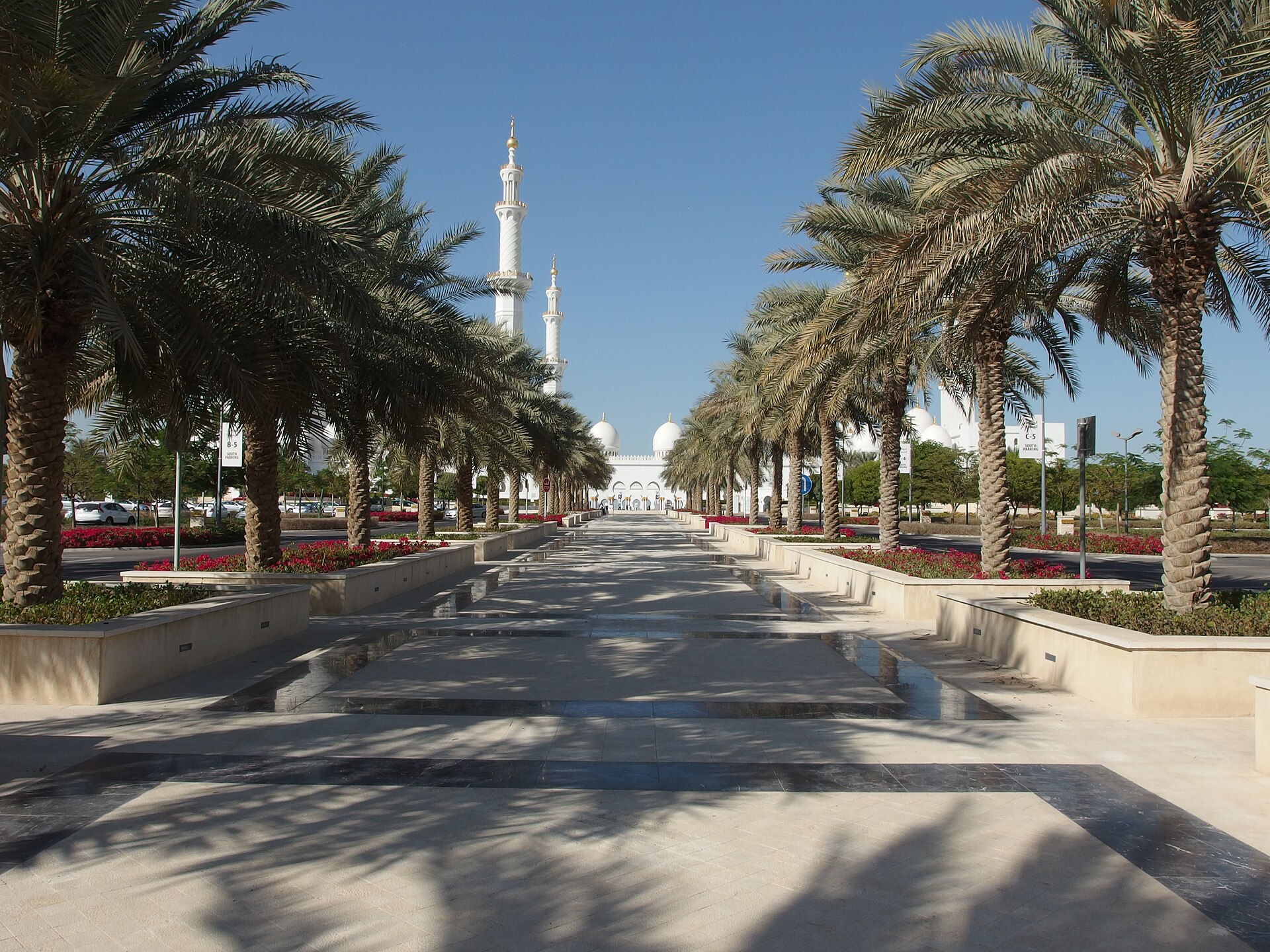
Abu Dhabi is only an hour and a half from Dubai, but its character is entirely different. There is less noise here, more culture and less of a crowd. The Sheikh Zayed mosque is worth the trip on its own, and the branch of the Louvre surprises anyone who did not expect such a thing in the Gulf. Below I have written a two-day route.
The Sheikh Zayed mosque
The mosque is one of the largest in the world and holds more than forty thousand people. The marble patterns in the courtyard, the world’s largest hand-woven carpet and the Swarovski chandeliers set it apart. Entry is free, and it is open to non-Muslim visitors too.
The dress rule is strict — a head covering and long clothing are required for women, and an abaya is handed out free at the entrance. Registering online in advance may be necessary for a visit, so check for your date. Go towards sunset: the white marble turns pink at that hour.
Louvre Abu Dhabi and the culture island
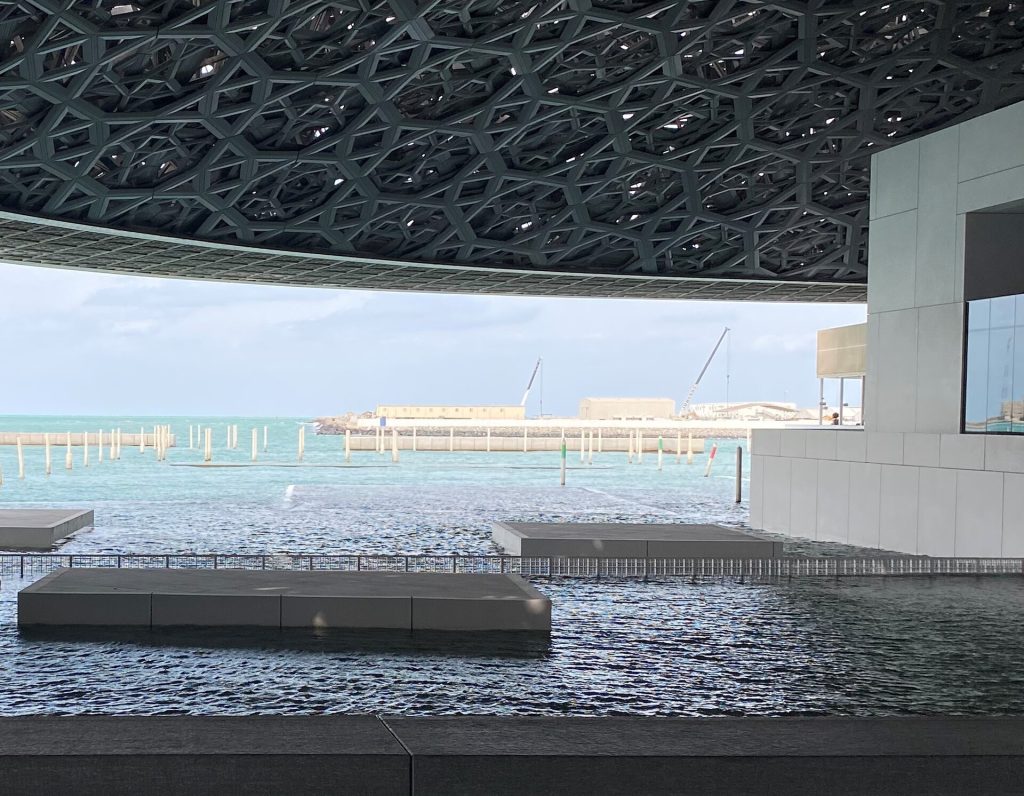
Louvre Abu Dhabi is on Saadiyat island and is a design by Jean Nouvel. Its dome is made of eight layers of metal mesh, and the light falling inside recalls the shade of palm fronds. The collection arranges civilisations by theme rather than chronologically, and that is what makes the museum interesting.
New museums are opening on the same island and building work continues. Qasr Al Hosn is the oldest building in the city and is now a museum. Qasr Al Watan is the presidential palace and is open to visitors; the domed hall inside looks bigger than it does in photographs. Taking the tickets and tours in advance gets you past the weekend queue.
Yas Island and the desert
Yas Island has Ferrari World, a water park and a Warner Bros park, and all three take a full day with a family. The Formula 1 circuit is on the same island, and the race is held in November. The Corniche shore is in the city centre, the beach is clean and entry is cheap.
The Liwa oasis is to the south, two hours away, and is the gateway to the vast desert called the Empty Quarter. The dunes there are among the highest in the world. Taking the desert camp and safari tours in advance matters in the winter months.
Read more: A Dubai travel guide: the districts, the metro, a desert safari, shopping and protecting your budget
Transport and prices in Abu Dhabi
There is no metro, but the buses are cheap and air-conditioned. Taxis run on a meter and are cheaper than in Dubai. The bus from Dubai to Abu Dhabi takes two hours and is very cheap; renting a car is a comfortable option too, as the roads are excellent.
A four-star hotel is 70–140 dollars, and the coastal resorts 150–300. The options around the Corniche are the most convenient for walking the city. Lunch in a restaurant is 10–25 dollars, and all the food is halal. Official information is on the Visit Abu Dhabi site.
The season in Abu Dhabi
November to March is the only comfortable period, with 22–28 degrees and desert trips possible. April to October rises above 40, the humidity is high and walking outdoors becomes hard work. In the summer months prices drop, but the plan has to be built around indoor places.
Conclusion
Abu Dhabi is the quieter, cheaper and culturally richer alternative to Dubai. Go to the mosque at sunset, give the Louvre half a day, and set the trip between November and March. For a visa and a route, fill in the application form.
Note: the prices in this article are those at the time of publication and may change with the season.
