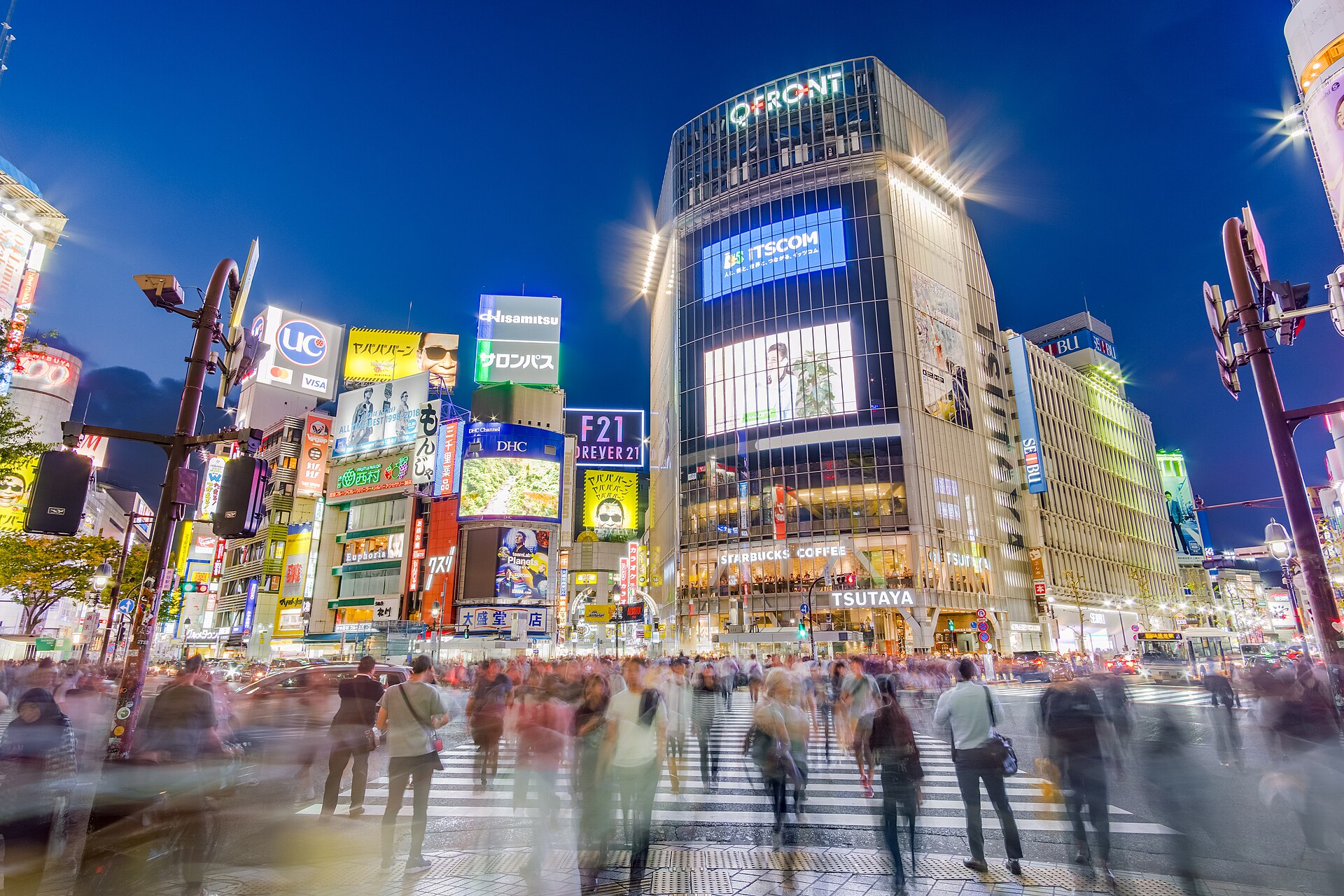
Tokyo is not one city but dozens of cities lined up side by side. In Shibuya the night never ends, while in Yanaka the streets empty at nine, and there are twenty minutes between the two. The metro map looks frightening at first glance, but you learn it in three days. Citizens of Azerbaijan need a visa. Below I have written a five-day route and the practical rules.
Understanding the districts
Shibuya is known for its famous pedestrian crossing and its youth culture. Shinjuku is the district with the biggest station and the nightlife, and the observation deck in the city hall building is free. Asakusa preserves the old Tokyo and holds Senso-ji temple. Ginza is the shopping district, while Akihabara is the centre for electronics and anime.
Choose your hotel on the Yamanote loop line: it is the city’s main ring and connects all the important districts. The areas around Shinjuku, Ueno and Tokyo stations are the most convenient options.
Temples, markets and gardens
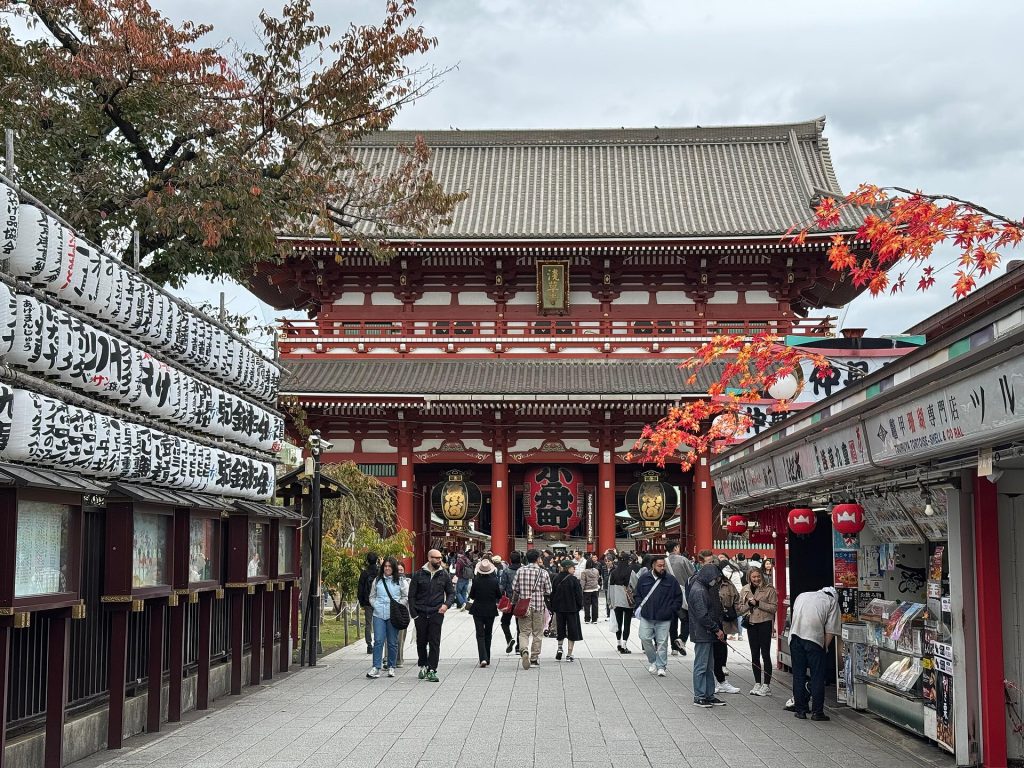
Senso-ji is the oldest temple in Tokyo, and traditional sweets are sold along Nakamise street at its entrance. The Meiji shrine sits inside the forest beside Shibuya and creates complete silence in the middle of the city. The gardens of the Imperial Palace are free, while access to the palace itself is limited.
The Tsukiji outer market is the best place for fish and prepared food — go in the morning. Toyosu is the new market where the auctions are held. Shinjuku Gyoen garden is the loveliest spot in the city during cherry blossom season, and entry is cheap.
The metro, Suica and the internet in Tokyo
The metro is run by two separate companies, and on top of that there are the JR trains. The rechargeable card called Suica or Pasmo works on all of them, and at the barrier you simply touch it. The card can also be loaded onto your phone. Cash is still needed, as some small restaurants do not accept cards. There is no direct flight from Baku, and the connection time among flight options from Baku to Tokyo varies by as much as ten hours.
Free wireless internet is not widespread, and getting around Tokyo without a map is hard. Taking an eSIM for Japan is the simplest solution: it activates on your phone without queueing at the airport. Between eight and nine in the morning the crush on the metro is at its peak, so avoid that hour if you can.
Read more: A Japan travel guide: Tokyo, Kyoto, Osaka, cherry blossom season, the Shinkansen and onsen etiquette
Food and prices in Tokyo
Food here is cheaper than you expect. A bowl of ramen is 800–1200 yen and a lunch set around 1000. The prepared food in the twenty-four-hour shops called konbini is good quality and very good value. In conveyor sushi restaurants the price of a plate is worked out by its colour.
The number of halal restaurants has grown, with several in Asakusa and Shinjuku, and seafood is never a problem anywhere. A business hotel is 70–120 euros and a capsule hotel 25–45. Choosing your hotel by the Yamanote line saves you an hour a day. Official information is on the Go Tokyo site.
The season in Tokyo
The end of March and the beginning of April is cherry blossom season, the loveliest and also the most expensive period. October and November are equally fine for the autumn colours and quieter. June is the rainy season, and July and August are hot and humid. Winter is dry and sunny, and Mount Fuji is at its clearest then.
In short
Tokyo asks for five days, and each of them passes like a separate city. Buy a Suica card, take your hotel on the Yamanote line, and give one day to the old neighbourhoods. For a visa and a route, fill in the application form.
Note: the prices in this article are those at the time of publication and may change with the exchange rate.
