Tirana is one of the least known capitals in Europe, and that is now its advantage. Thirty years ago the city was a heap of grey concrete; then the council began painting the buildings in colour and the centre became unrecognisable. Prices are low, the people are hospitable, and for citizens of Azerbaijan the entry regime is comfortable. Below I have written a two-day route and the options for getting to the coast.
Skanderbeg square and the coloured buildings
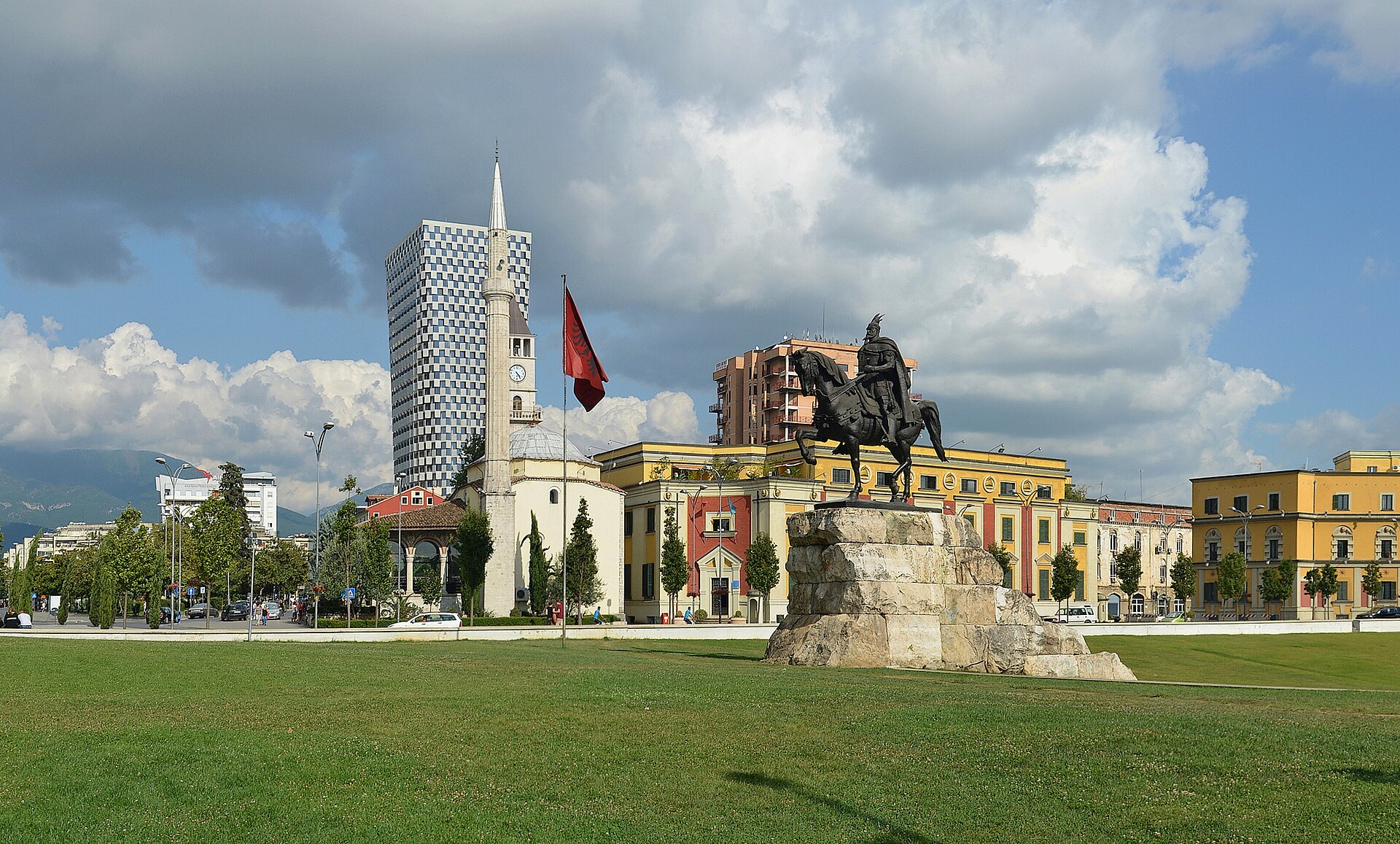
Skanderbeg square in the centre is car-free, with the National History Museum, the Ethem Bey mosque and the clock tower standing around it. The mosque is left from the nineteenth century and stands out for its wall paintings; it was closed during the communist period and is open now. The mosaic on the museum’s facade shows the country’s history on a single panel.
The Blloku district was once open only to party leaders and is now considered the liveliest part of the city, with the cafés and restaurants there. Enver Hoxha’s house is in that district and can be seen from the outside.
The bunkers and Mount Dajti
More than a hundred thousand concrete bunkers were built in Albania, and this is the strangest legacy of the communist period. Two of them are museums now. Bunk’Art 2 is in the centre and is devoted to the history of the interior ministry. Bunk’Art 1 is the enormous underground shelter on the edge of the city and has five floors.
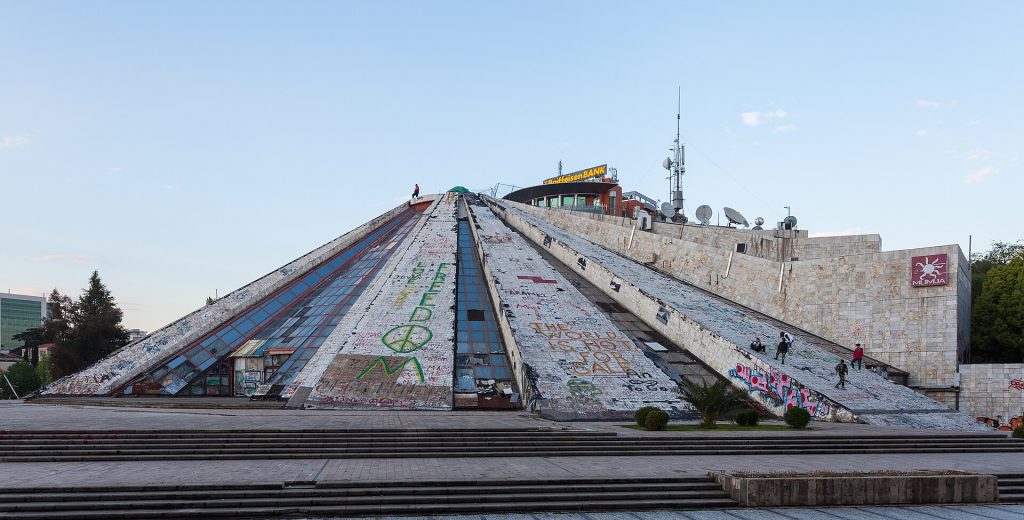
The cable car takes you up Mount Dajti in fifteen minutes, and the whole city is visible from the top. The old building called the Pyramid was renovated recently and is now a culture centre that you can climb by its steps. Taking the city tours and day trips in advance is easier than wrestling with the transport timetable in Albania.
From Tirana to the coast and the mountains
The port of Durres is an hour away by bus and is the nearest beach, though the water is of middling quality. The real coast is to the south: Himara and Ksamil need four or five hours of travel, and in return the water is the colour of the Caribbean. The towns of Berat and Gjirokastra are on the UNESCO list and are known for their stone houses; both are two or three hours away.
Trains barely work in the country, and the buses and minibuses run without a timetable. Renting a car is a very comfortable option, and the roads have improved a great deal in recent years. For long distances, a transfer booked in advance works out cheap for a group.
Read more: An Albania travel guide: Tirana, the Ksamil coast, transport, food and budget
Food and prices in Tirana
Albanian cooking combines Balkan and Italian influence. The lamb-and-yoghurt dish called tavë kosi is considered the national one. The layered pastry called byrek is street food and comes to a euro. A large part of the country’s population is Muslim, so finding halal food is not a problem.
Prices are among the lowest in Europe. A three-star hotel is 35–65 euros, lunch in a restaurant 6–12 euros and a coffee around one. You will need cash lek: cards work in the centre, but not always outside it. Official tourism information is on the albania.al site.
The season in Tirana
May–June and September–October are the best months, with 22–28 degrees. July and August climb to 35 and the coast fills up. Winter is mild, 8–14 degrees, but there is a lot of rain. Snow falls in the mountain regions.
A last word
Tirana is a two-day capital, and its real value lies in the coastal and mountain routes that start from it. Pick one of the bunker museums, go up Mount Dajti, and set aside at least three days for the southern coast. If you want to see the Balkans on one route, look at the group tour programmes. For a visa and a route, fill in the application form.
Note: the prices in this article are those at the time of publication and may change with the season.
