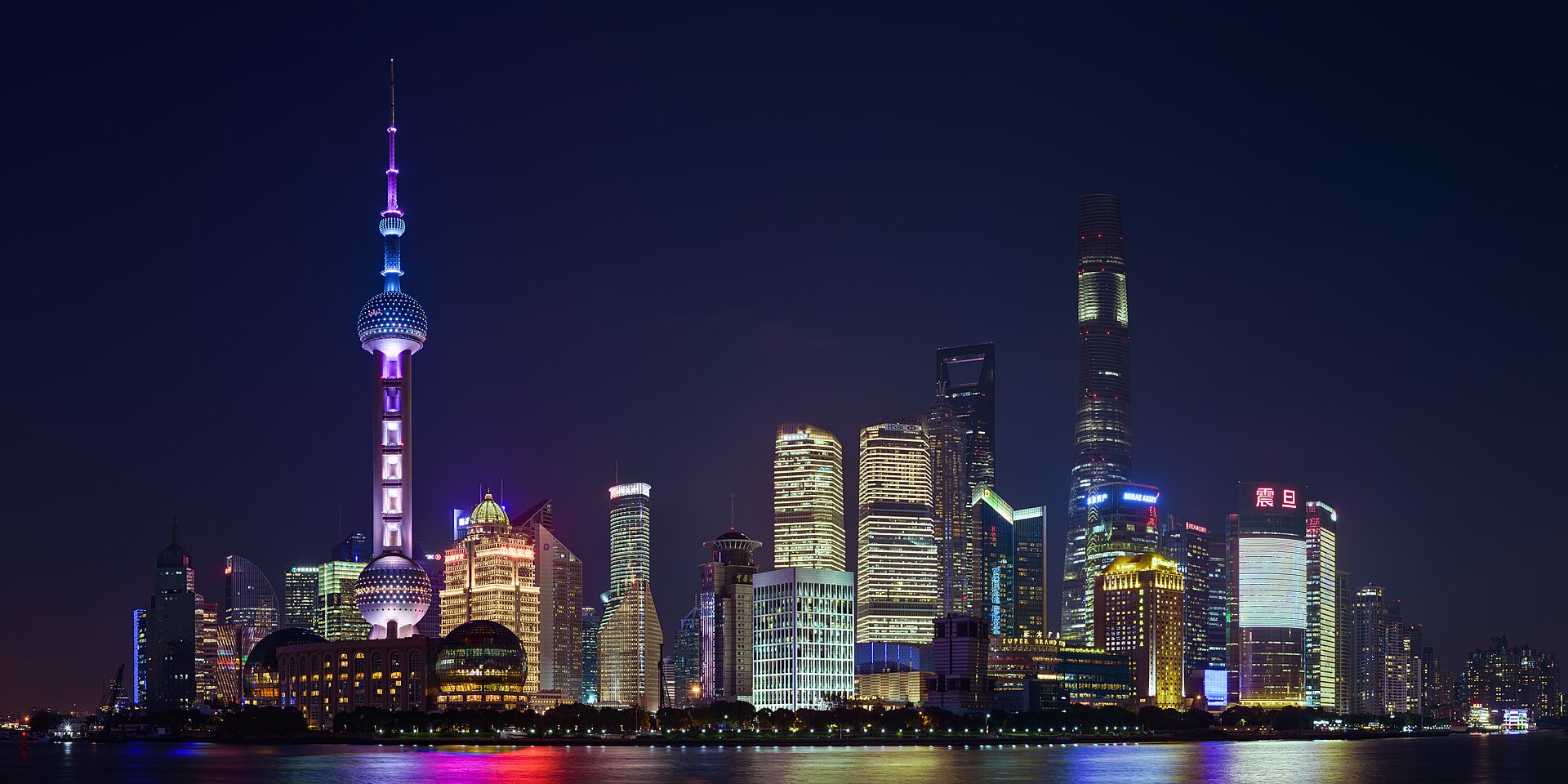
Shanghai is the most western-facing city in China and is completely different from Beijing. Here it is not history that is sold but the future: on one bank of the river stand century-old European buildings, and on the opposite bank skyscrapers of glass. The difference between the two banks shows the whole story of the city in a single frame. Below I have written a three-day route.
The Bund and Pudong
The Bund is the promenade on the riverbank and behind it are lined up former banks and trading houses, all built a hundred years ago. On the opposite bank is the Pudong business district. Go here after seven in the evening; when the lights of the skyscrapers come on the view is at its best.
The Shanghai Tower is the tallest building in China and there is an observation deck on the hundred and eighteenth floor. One of the fastest lifts in the world takes you up there in less than a minute. On cloudy days there is no point in going up, so check the weather in advance.
The old city, Yu garden and the French Concession
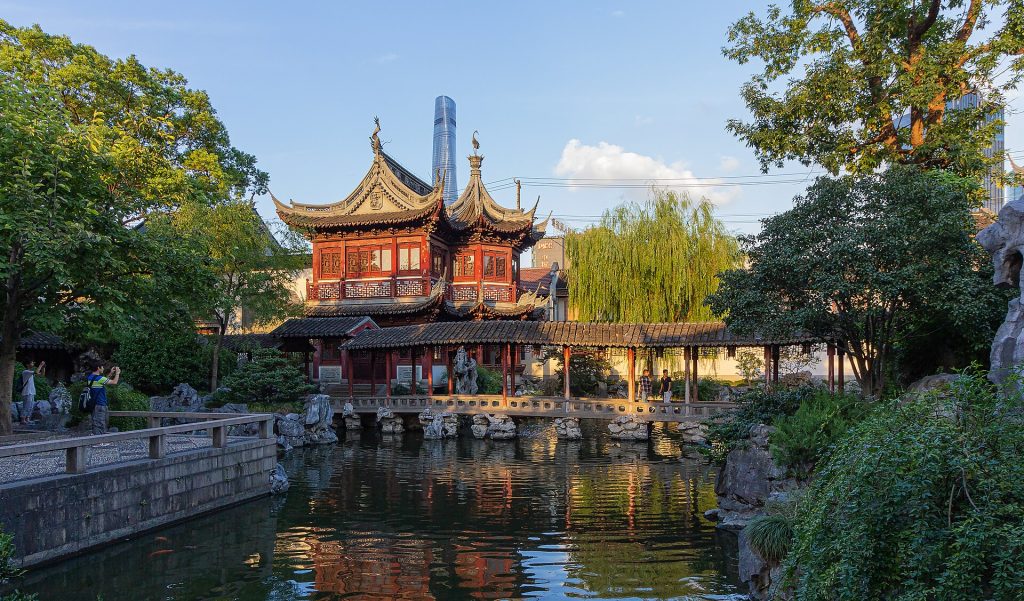
Yu garden remains from the sixteenth century and is an example of traditional Chinese gardening, while the market around it is touristy and loud. Go early in the morning. The teahouse nearby is in the middle of the lake and is joined by a zigzag bridge.
The former French Concession is the pleasantest part of the city, with streets shaded by plane trees, low buildings and small cafés. Tianzifang is an artisan quarter set up in narrow passages. Walking without a plan in this district is the best way to spend time in Shanghai.
Transport and payment in Shanghai
The metro is the longest network in the world and reaches every part of the city, with announcements in English. From Pudong airport the maglev train goes in eight minutes and moves at more than four hundred kilometres an hour, which is an experience in itself.
Payment is made by phone; set up the Alipay or WeChat Pay app before you come and link a card. For access to international sites a roaming eSIM for China is the simplest way. The high-speed train to Beijing takes four and a half hours, while Hangzhou and Suzhou take half an hour.
From Shanghai to the water towns
Zhujiajiao is an hour away by metro and is a water town with canals and stone bridges. Zhouzhuang and Tongli are further and receive fewer tourists. The Suzhou gardens are on the UNESCO list and are thirty minutes away by high-speed train.
There are tours that combine these routes in one day, and they also settle the language question, because in the village areas English barely works.
Food, season and prices in Shanghai
Shanghai cooking is sweeter and oilier than Beijing’s. The pan-fried bun called shengjian bao is a symbol of the city. World cuisines are widely represented here, while halal restaurants are found in the Muslim quarter and in the city centre.
March–May and September–November are the best months, with the weather at 18–26 degrees. Summer is hot and very humid, and in July–August a typhoon is possible. Winter is not cold but passes damp and grey. A hotel is 60–120 euros and lunch in a restaurant 6–15. Official information is on the Meet in Shanghai site.
In short
Shanghai is the softest entry point for those coming to China for the first time and fits comfortably into three days. Go out on the Bund in the evening, walk without a plan in the French Concession, and set up the payment app in advance. For a visa and a route, fill in the application form.
Note: the prices in this article are those at the time of publication and may change with the exchange rate.
