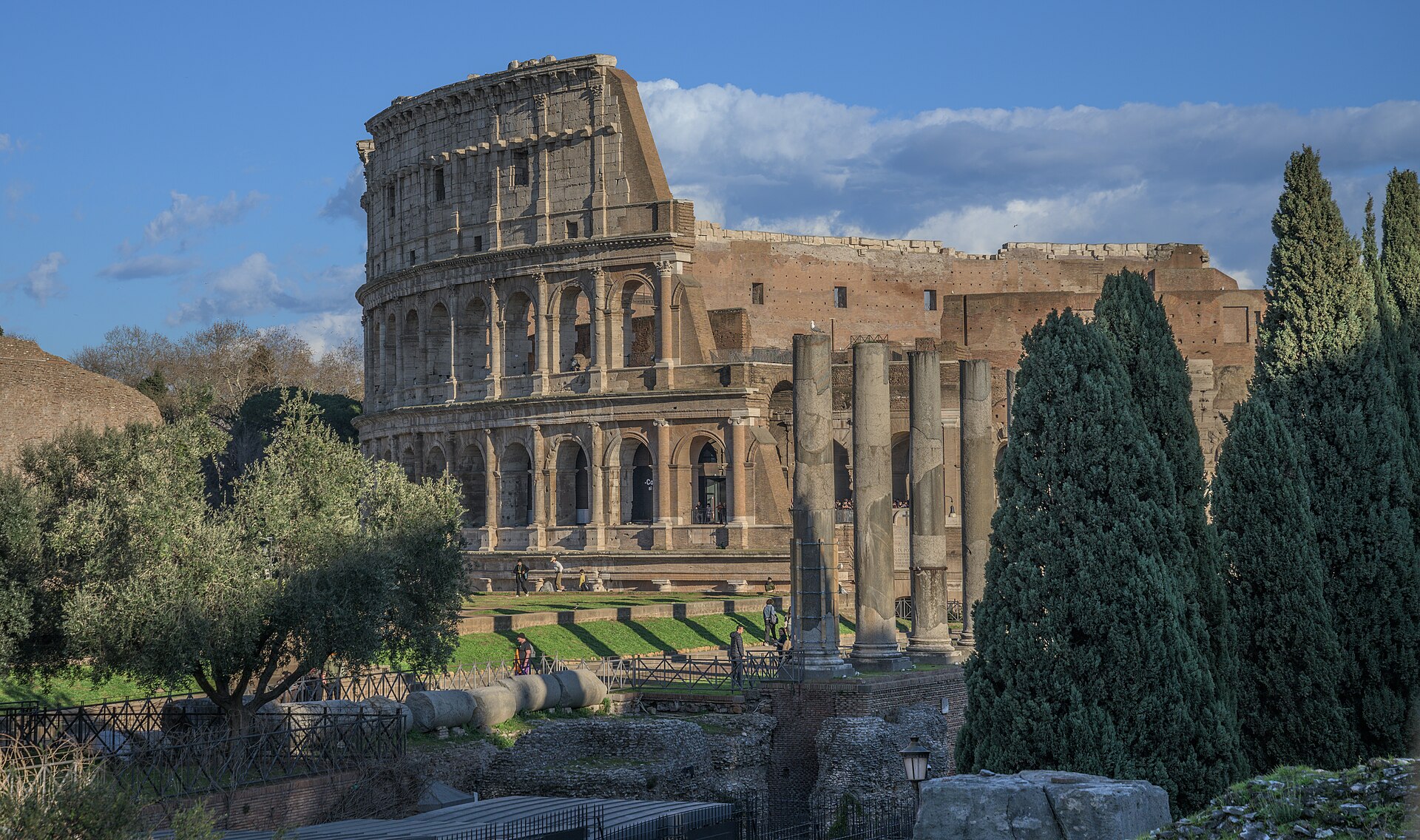
There is a rule in Rome: do not try to walk the city, let the city walk you. You turn a corner in the street and a two-thousand-year-old temple appears in front of you. You drink water from a fountain, and that water has been arriving by the same aqueduct for two thousand years. Wizz Air flies cheaply from Baku, while the Schengen visa is a separate subject. Below I have written how to divide the city into four days and which tickets to buy in advance.
Rome in brief
| Country | Italy; 2.8 million people |
| Visa | Schengen “C” visa |
| Currency | Euro; cards everywhere |
| Best time | April–May and September–October |
| Flight | Direct from Baku with Wizz Air and AZAL, 5 hours |
| How many days | Four days, with the Vatican a day of its own |
Ancient Rome: the Colosseum and the Forum
The Colosseum ticket covers the Roman Forum and the Palatine hill as well; the three make one day. Take the ticket online and with a time slot without fail — the queue at the box office is two hours in summer. There is also a special ticket that takes you down into the arena, and it comes with fewer people.
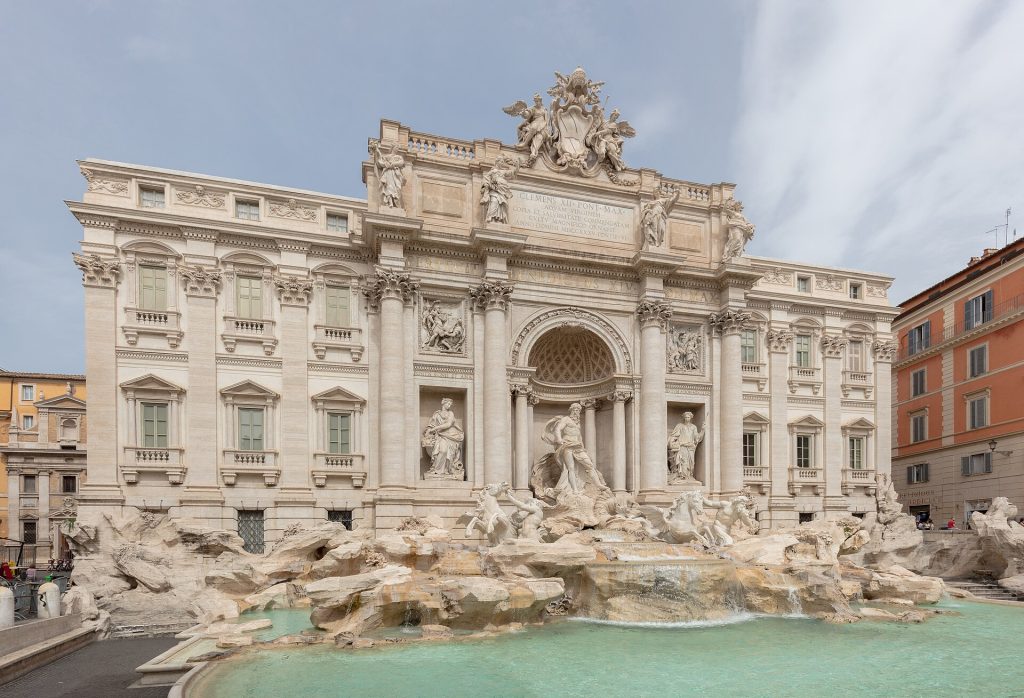
From the Forum climb the Capitoline hill, where the whole excavation site appears in the palm of your hand. The Pantheon used to be free and now has a small ticket; the light falling through the hole in the middle of the dome is still the best architecture lesson there is. Go to the Trevi fountain at seven in the morning — by midday you cannot take a step there.
The Vatican and Trastevere
The Vatican museums and the Sistine Chapel are a day of their own. The ticket is bought online, and the “skip the line” option saves time. Entry to Saint Peter’s basilica is free, but the security queue is long, so go at eight in the morning. Climbing the dome is a separate ticket and five hundred steps, and the view is worth it.
Trastevere is across the river, a quarter of narrow cobbled streets with an evening life. It is cheaper than the tourist centre and the food is better. The famous keyhole on the Aventine hill is close by, and when you look through it the dome of Saint Peter’s appears exactly in the middle. Taking the museum and tour tickets in advance is a direct time saving in Rome.
Transport and the ZTL rule in Rome
The centre is walked, the metro has only three lines, and a new one cannot be built because of the excavations. The bus and tram network is wide but gets caught in traffic. A single ticket is 1.5 euros and a day ticket 7. From Fiumicino airport the Leonardo Express train takes thirty-two minutes to the centre. There is a direct flight from Baku, and Baku–Rome ticket prices are at their lowest in the spring and autumn months.
Do not drive into the centre. The historic centre is a ZTL, a restricted zone, cameras record every entry and the fine reaches Baku a year later. Take a rental car only for a Tuscany or coastal route, and even then choose a hotel outside the ZTL. Comparing intercity train tickets in one search shows the difference between Frecciarossa and Italo immediately.
What to eat: carbonara, cacio e pepe, pizza al taglio
Rome has four classic pastas: carbonara, cacio e pepe, amatriciana and gricia. All of them are simple and all of them come out better in cheap places. Pizza al taglio is sold by weight and is ideal for lunch. Suppli, a fried rice ball, is the street snack.
One rule: walk two streets away from a tourist spot and the price halves while the taste improves. Do not go into a restaurant with pictures in ten languages on the menu. Halal food is easy around Termini station and in the Esquilino district, while pasta and seafood are never a problem anywhere.
Read more: An Italy travel guide: Rome, Florence, Venice, Amalfi and the classic route by high-speed train
Season and budget in Rome
April–May and September–October are the ideal months, at 20–26 degrees. July and August climb to 35 and the stone city holds the heat, so move your walking to the morning and the evening. Winter is 10–15 degrees and rainy, but the queues are short and the hotels cheap. In August many local restaurants close for the holidays.
A three-star hotel in the centre is 120–180 euros, around Termini 80–130, and a boutique hotel in Trastevere 130–200. Choosing hotels by the metro line saves an hour a day. The Colosseum is 18 euros, the Vatican museums 20, and the city tourist tax 3–7 euros a night. Official information is on the Italia.it portal.
Frequently asked questions about Rome
How many days do you need?
Three days for the city and one for the Vatican. With fewer than four, either the Vatican or ancient Rome gets left out.
Which tickets must be bought in advance?
The Colosseum and the Vatican museums. The rest can be sorted out on the spot, but these two run out days ahead in summer.
Can it be combined with Florence and Venice?
Yes: Florence is an hour and a half by high-speed train and Venice three hours. All three fit comfortably into nine days.
In closing
Rome is a city that demands a plan, but half the plan should be “do nothing”, because the best moments happen in squares you find by accident. Buy the two tickets in advance and leave the rest to the street. If you would rather not plan everything yourself, look at European group tours, where the flight and the accommodation come in one package. For a visa and a route, fill in the application form.
Note: the prices in this article are those at the time of publication and may change with the season.
