Riga is the largest of the three Baltic capitals and is known for the thing you would least expect. It holds one of the richest collections of art nouveau architecture in the world, with whole streets built in that style. The old town, meanwhile, keeps its medieval traces. Prices are below Western Europe’s and the city fits comfortably into two days.
The old town and the House of the Blackheads
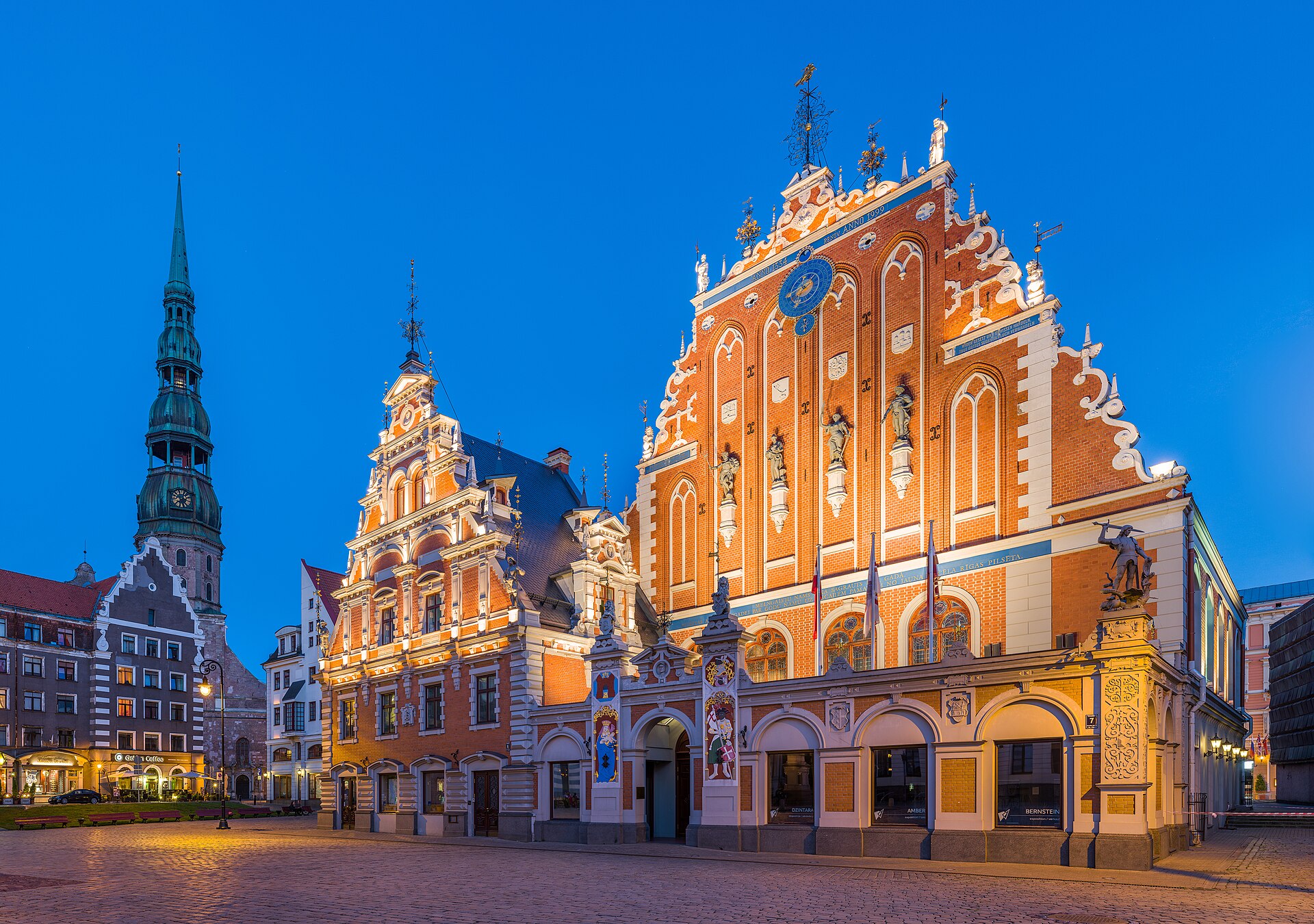
The House of the Blackheads on the town hall square belonged to a merchants’ guild, was destroyed in the war and rebuilt in 1999. Its facade is the most photographed detail in the city. Riga cathedral nearby is the largest in the Baltic states and holds organ concerts.
The adjoining houses called the Three Brothers are the oldest dwellings in the city. The Swedish Gate and the Powder Tower are the parts left of the city wall. The tower of Saint Peter’s church has a lift, and from the top the whole old town and the river Daugava are visible.
The art nouveau district
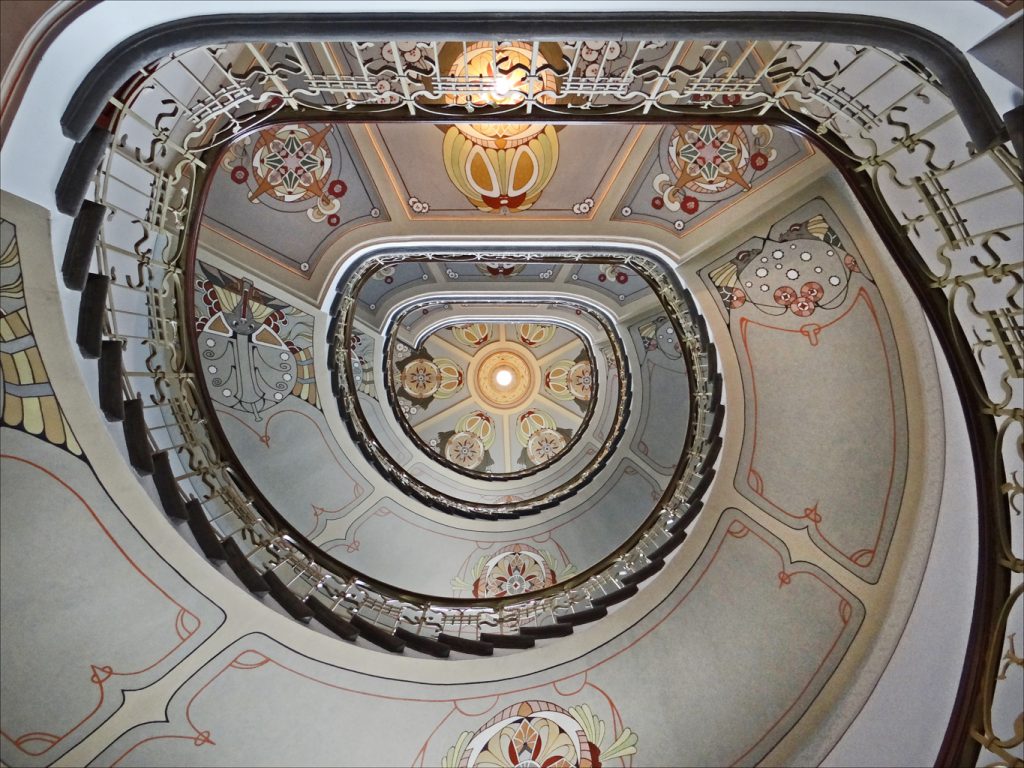
Alberta and Elizabetes streets are the city’s real speciality. The facades carry human faces, animal figures and plant patterns, and every building is a separate work. Many of them were designed by Mikhail Eisenstein. One building houses an art nouveau museum with its original interior preserved.
Walking this district takes an hour and is free — you simply have to look up. If you take the city tours with a guide, you also learn what the details on the facades mean.
The central market and Jurmala
Riga central market was built in old zeppelin hangars and is one of the largest in Europe. There are five enormous pavilions, each given over to a different group of goods. Prices are cheap and it is the best place to see local life.
The Jurmala resort is half an hour away by suburban train. It has a long sandy beach and pine forest, and although the water is cold even in summer the shore walk is lovely. Jomas street is a pedestrian zone, and the wooden villas are in that area.
Read more: A Latvia travel guide: Riga, the Jurmala resort, Sigulda, Rundale palace and the Baltic route
Transport and budget in Riga
Trams, trolleybuses and buses cover the city, while the centre is entirely walkable. The bus from the airport to the centre takes thirty minutes and is very cheap. Vilnius is four hours away by bus and Tallinn four and a half. There is no direct flight from Baku, so compare the transit options on bilet.az.
A three-star hotel is 55–95 euros and lunch in a restaurant 10–18. A hostel bed starts at 15–28 euros. Latvian cooking has rye bread, smoked fish and potato dishes. Official information is on the Live Riga site.
The season in Riga
June to August is the best period, with 18–24 degrees and long days. The Ligo festival at the end of June is the country’s biggest celebration. Winter is cold and dark, but in return the hotels get cheaper. Autumn is rainy but colourful.
In short
Riga is a capital remembered for its art nouveau streets rather than its old town, and that is what sets it apart from its neighbours. Give Alberta street an hour, go into the central market, and spend one day in Jurmala. For a visa and a route, fill in the application form.
Note: the prices in this article are those at the time of publication and may change with the season.
