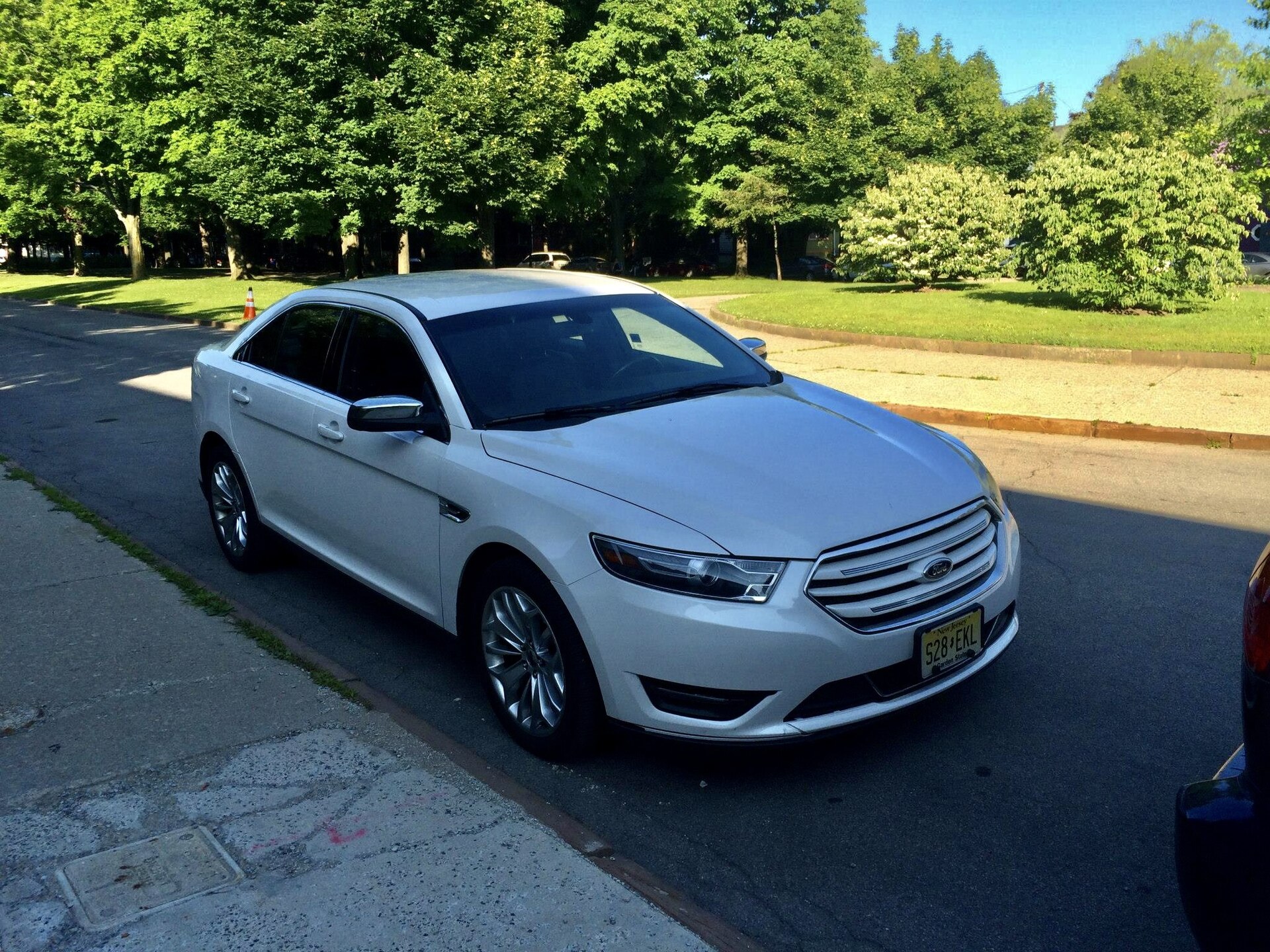
On some routes renting a car is not a choice but a condition. Travelling Iceland’s Ring Road, the villages of Tuscany or the California coast by public transport is not possible. But this service has its own rules, and someone who does not know them ends up paying twice what they expected. Below I have written the documents, the insurance and the hidden costs.
Documents for renting a car
Three documents are required: a national driving licence, an international licence and a credit card in the driver’s name. An international licence is compulsory in many countries and has to be obtained in Azerbaijan in advance; it cannot be arranged abroad.
The credit card question is the part that creates the most trouble. The company blocks a deposit on the card and a debit card is often not accepted. Have at least a thousand euros of limit on the card, otherwise they will not give you the vehicle. There is an age threshold too: twenty-one at most companies, twenty-five at some.
Understanding the insurance and the excess
The basic rental price usually includes insurance with an excess. What that means is this: if there is an accident, you pay the first one or two thousand euros. At the counter the company offers you an additional package that reduces the excess to zero, and that costs twenty to thirty euros a day.
With third-party insurers the same cover is considerably cheaper, but there you pay first and get the money back afterwards. Whichever you choose, the glass, the tyres and the underside of the car are often not included in any package, so ask about that separately.
Hidden costs in renting a car
| Second driver | 5–12 euros extra a day |
| Return in another city | 50–300 euros, sometimes more |
| Border crossing | A separate permission and fee are required |
| Fuel policy | Taking it full and returning it full is the best value |
| Child seat | 5–10 euros a day; your own seat is cheaper |
The worst option in a fuel policy is “take it full, return it empty”, where the fuel is charged above the market price and any petrol left is not refunded to you. A border crossing must be declared in advance, otherwise the insurance does not work in the neighbouring country.
When collecting and returning the car
Before setting off, film every side of the car, especially the tyres, the glass and the bumper. Have the existing scratches noted on the report, because on return they can all be attributed to you. Get the fuel gauge into the footage too.
On returning, wait for the staff member to sign the report; do not simply drop the key into a box. Releasing the blocked amount on the card can take two or three weeks, so take that into account. For getting around inside a city a car is often unnecessary, and an airport transfer together with public transport comes out cheaper. Official information about driving abroad is on the European Union portal.
In conclusion
Renting a car is irreplaceable on mountain and village routes and often an unnecessary cost in a city. Get the international licence at home, clarify the excess, film the car on collection. To build the route and the visa process together, fill in the application form.
Note: rental terms vary by company and country, so read the contract before signing it.
