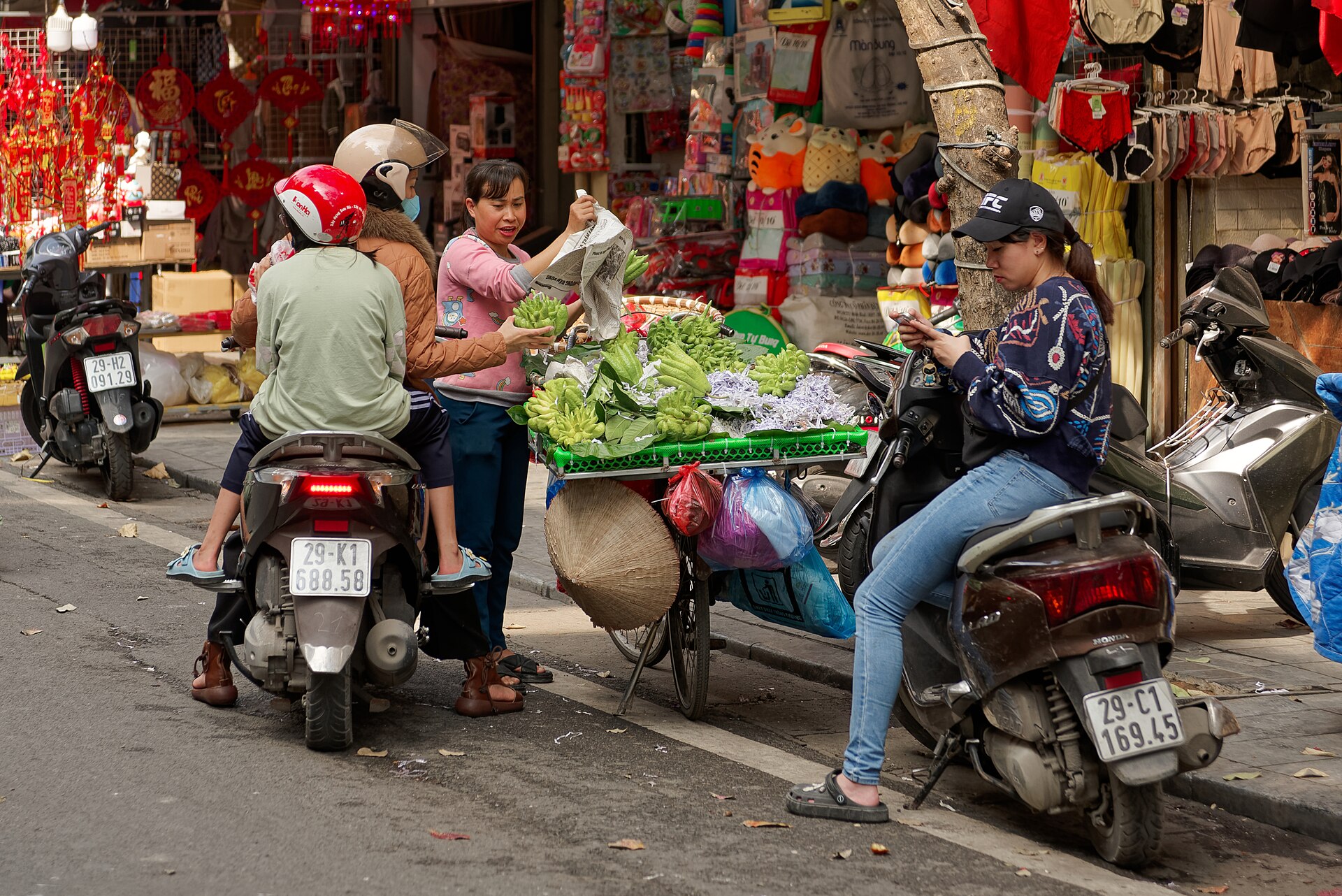
Hanoi is the capital of Vietnam and keeps the country’s oldest face. Unlike Ho Chi Minh City there are few tall buildings here and many narrow streets, and the tempo is a little slower. Most of those planning a route from north to south start right here, because Halong bay and Ninh Binh are at hand. Below I have written the three days and the trips out.
The old quarter and the lake in Hanoi
The old quarter consists of thirty-six streets and each street historically belonged to a trade, as their names still show. Now shops, cafés and the flow of motorbikes are all mixed together there. Crossing the street looks frightening on the first day, and then you learn the rule: walk slowly and without stopping, and the motorbikes go round you.
Hoan Kiem lake is at the edge of the quarter and is considered the heart of the city. You cross to the tower in the middle of it by a bridge, and early in the morning the shore fills with people exercising. At the weekend the surrounding streets become a pedestrian zone.

The museums, the mausoleum and the Temple of Literature
The Ho Chi Minh mausoleum is open in the morning hours and the queue is long. The dress code is strict, they do not let you in with short trousers or bare shoulders, and phones and bags are handed in at the entrance. The presidential palace beside it and the single-storey wooden house are more interesting.
The Temple of Literature was Vietnam’s first university and is close to a thousand years old. In the courtyards, the names of former graduates are written on tablets set on stone tortoises. In exam season students come here for luck, and this is one of the city’s most heartfelt sights.
Halong bay and Ninh Binh
Halong bay takes two and a half hours from the city and travelling it on a one-night cruise is the most sensible way. A day tour loses too much time on the road. A quieter alternative is Lan Ha bay: the same scenery, fewer boats.
Ninh Binh, meanwhile, is called the dry Halong, where the same limestone rocks rise out of the rice fields and you pass between them in a small boat. The road is two hours and it fits comfortably into a day. Comparing the bus and train options in advance saves time for both directions.
Transport and budget in Hanoi
Noi Bai airport is forty-five minutes from the centre. Inside the city the Grab app calls both a car and a motorbike and is cheaper than negotiating with a taxi. The old quarter is walked entirely on foot and Grab is enough for the rest.
| Three-star hotel | 25–45 dollars a night |
| Hostel bed | 6–12 dollars |
| Street food | 2–3 dollars a portion |
| Visa, e-visa | 25 dollars, up to 90 days |
Staying in the old quarter is the most comfortable in terms of walking, but it is noisy at night, so choose hotels by the street and the noise. There is no direct flight; you go via Doha, Dubai and Istanbul, so compare ticket prices in the Hanoi direction with the Ho Chi Minh City option. Official tourism information is on Vietnam’s official tourism portal.
Season in Hanoi
October–December is the best time, the weather is 22–28 degrees and dry. In January–February the north really does get cold, the temperature drops to fifteen degrees and fine rain goes on for days, so take warm clothes. June–August is hot and humid and afternoon downpours are normal. March–April is the transition period and mist can close off the view in Halong bay.
In short
Hanoi is Vietnam’s densest and most original city, and on top of that the key to the northern route. Stay in the old quarter, go to Halong on a one-night cruise, put Ninh Binh in a single day, and take the January cold into account. If you want to travel Vietnam from north to south, you can look at the ready-made tour options. For a route and a visa, fill in the application form.
Note: the visa fee and cruise timetables may change, so check on the official portal before travelling.
